



What's Happening?
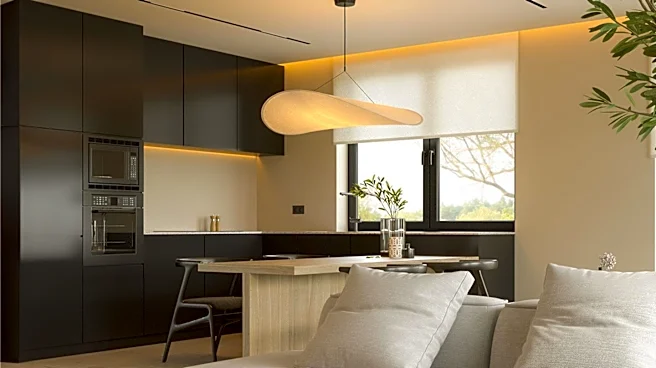
Open-concept living spaces benefit from a strategic approach to lighting that combines ambient, focal, and accent lights to define distinct zones. Rather than relying on a single fixture for the entire area, a layered lighting plan is recommended. For
instance, a broad ambient light can cover the general circulation areas, while a more focused light can highlight the dining zone. Additionally, lower accent or task lighting can be used in areas designated for reading or relaxation. The key is to ensure that different ceiling fixtures relate to each other through shared visual cues, such as finish temperature, light color, or visual weight, without necessarily being a matched set. This method helps to create a cohesive yet functionally diverse lighting scheme, allowing each fixture's shape to complement the furniture below it. Measurements like ceiling height, table dimensions, and fixture diameters are crucial to prevent mismatches and ensure proper placement.
Why It's Important?
The proper illumination of open-concept living spaces is crucial for both aesthetic appeal and functional utility, directly impacting the user experience in residential and commercial settings. In the U.S., where open-plan designs are popular, effective lighting can transform a potentially undefined space into distinct, usable zones. This approach enhances the perceived value of properties and improves daily living by catering to various activities within a single large area. For homeowners, it means a more comfortable and versatile environment. For the interior design and construction industries, understanding and implementing these lighting principles can lead to higher client satisfaction and more successful projects. Poor lighting can lead to spaces feeling underfurnished or undefined, impacting acoustics and overall comfort, which can deter potential buyers or renters. Therefore, mastering these lighting techniques is vital for professionals in real estate, interior design, and architecture to meet evolving consumer demands and optimize spatial functionality.
What's Next?
As open-concept living continues to be a prevalent design trend, the focus on sophisticated lighting solutions will likely intensify. Future developments may include more integrated smart lighting systems that can dynamically adjust light color, intensity, and focus based on time of day, activity, or user preference. Manufacturers are expected to innovate with fixtures that offer greater versatility in light distribution and aesthetic integration, catering to the nuanced needs of multi-functional spaces. Designers will continue to refine techniques for zoning with light, potentially incorporating more advanced architectural lighting elements like cove lighting or integrated LED strips to create seamless transitions between areas. Additionally, educational resources and tools for consumers and professionals will likely expand, offering more guidance on how to effectively plan and implement layered lighting in open-plan environments, ensuring both visual harmony and practical utility.
Beyond the Headlines
Beyond the immediate functional benefits, the strategic lighting of open-concept spaces touches upon deeper psychological and cultural aspects of home design. In a society increasingly valuing flexibility and multi-purpose environments, lighting plays a critical role in shaping how individuals perceive and interact with their living spaces. The ability to define 'rooms' within an open area using light can foster a sense of order and intimacy, counteracting the potential for vast, undifferentiated spaces to feel impersonal or overwhelming. This approach also reflects a broader shift towards personalized environments, where technology and design converge to create spaces that adapt to individual needs and moods. Ethically, good lighting design can contribute to well-being by reducing eye strain and enhancing mood, while poorly lit spaces can lead to discomfort and reduced productivity. Culturally, the emphasis on distinct zones within an open plan acknowledges the diverse activities that occur in modern homes, from work and entertainment to relaxation and dining, all within a single, fluid architectural envelope.