





What's Happening?
SpaceX is positioning its Starlink Mobile service to compete directly with major U.S. wireless carriers, including AT&T, Verizon, and T-Mobile. During its first earnings call since going public, SpaceX President Gwynne Shotwell announced plans to launch
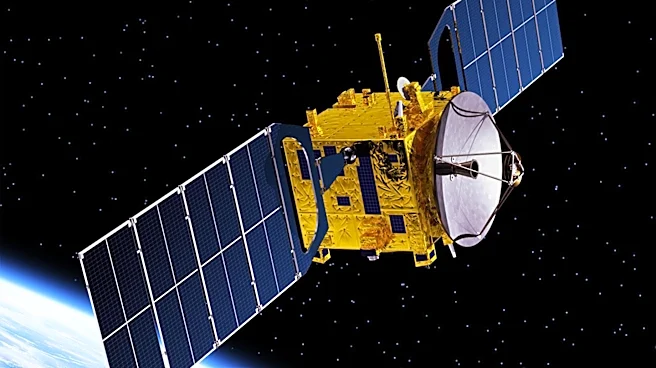
next-generation Starlink Mobile satellites in 2027, aiming to provide an upgraded service by the end of that year. The company has acquired 65 megahertz of spectrum from EchoStar to enhance its network capacity. SpaceX's strategy involves deploying smaller, cost-effective cellular base stations alongside its satellite system, potentially offering better connectivity and bandwidth than existing cellular providers.
Why It's Important?
SpaceX's entry into the mobile carrier market could significantly disrupt the telecommunications landscape in the U.S. By leveraging its satellite technology, SpaceX aims to offer superior service, particularly in areas with limited cellular coverage. This move could intensify competition among established carriers, potentially leading to improved services and lower prices for consumers. The integration of satellite and terrestrial networks represents a novel approach that could redefine mobile connectivity standards. If successful, SpaceX's strategy could influence future developments in the telecommunications industry, encouraging other companies to explore similar hybrid models.
What's Next?
SpaceX plans to launch its upgraded Starlink Mobile service by the end of 2027, following the deployment of its next-generation satellites. The company will likely face regulatory challenges and competition from established carriers as it builds out its network. SpaceX's ability to secure additional spectrum and deploy the necessary infrastructure will be critical to its success. As the company progresses, stakeholders, including consumers, regulators, and industry competitors, will be closely monitoring its impact on the telecommunications market.