





What's Happening?
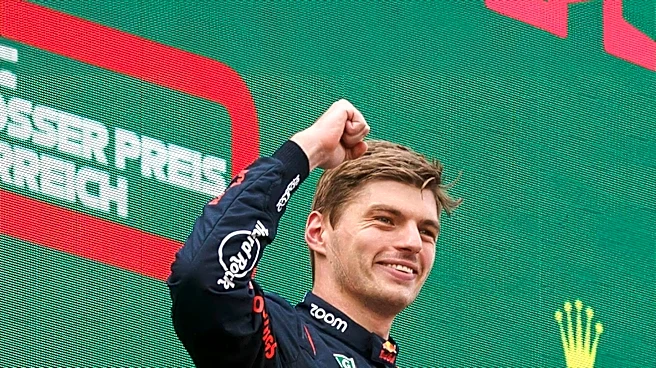
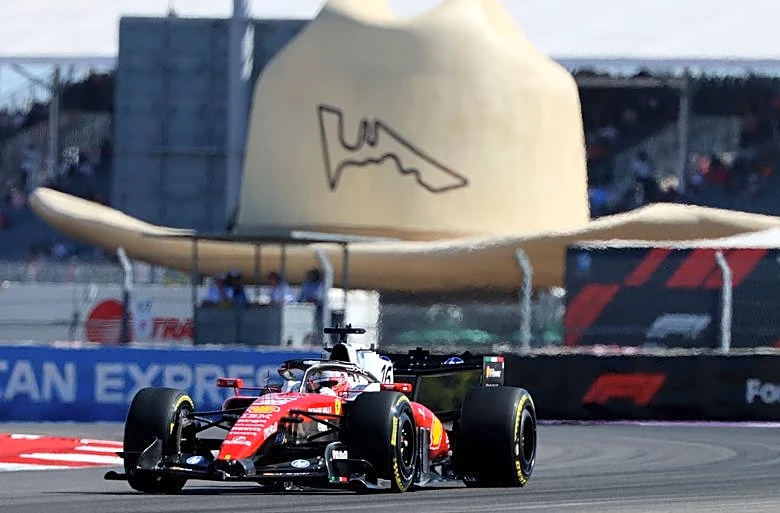
Red Bull driver Max Verstappen has voiced strong criticisms regarding the bumpy track surface at the Circuit of the Americas (COTA) in Austin, Texas, ahead of the Formula 1 United States Grand Prix. Verstappen described the track as 'extremely badly bumpy'
and expressed concern for drivers' spines, noting that vertical loads can exceed nine Gs. He stated that the bumps are 'unacceptable' and have been an issue for years, worsening with current car regulations that require lower ride heights. Despite his love for the track's layout and Austin as a venue, Verstappen emphasized that the track conditions pose a significant physical challenge. He also addressed social media abuse directed at his GT World Challenge Europe teammate, Chris Lulham, calling for social media companies to do more to curb such behavior. Additionally, Verstappen downplayed claims about Ferrari's car performance in Singapore, focusing on his own team's efforts.
Why It's Important?
Verstappen's comments highlight a critical safety and performance issue for Formula 1 drivers at one of the sport's premier U.S. venues. The physical toll of extreme G-forces and constant jarring from bumps can lead to long-term health problems for drivers, impacting their careers and overall well-being. His remarks could pressure COTA management and F1 organizers to address track resurfacing more effectively, ensuring driver safety and maintaining the integrity of racing. The criticism also draws attention to the ongoing debate about track standards across the F1 calendar. Furthermore, his stance on social media abuse underscores a broader problem within professional sports, where athletes and their teams face intense scrutiny and often unwarranted personal attacks, prompting calls for greater accountability from social media platforms.
What's Next?
The immediate focus will be on how drivers and teams adapt to the challenging track conditions during the United States Grand Prix weekend. Teams will need to find optimal car setups to mitigate the impact of the bumps, which could influence race strategies and outcomes. Following the event, there may be increased pressure on COTA to undertake significant resurfacing work to meet F1's safety and performance standards for future races. Discussions between F1 management, the FIA, and track operators regarding track maintenance protocols could intensify. Verstappen's call for social media companies to address online abuse may also reignite conversations within the sports community about protecting athletes from harmful online interactions, potentially leading to new initiatives or policies from teams and governing bodies.
Beyond the Headlines
The recurring issue of track conditions at COTA, despite its status as a modern purpose-built circuit, points to deeper challenges in maintaining high-performance racing facilities. It raises questions about the long-term sustainability of current F1 car designs in relation to track infrastructure and the financial and logistical complexities of frequent resurfacing. The physical demands placed on drivers due to these conditions also bring to light the extreme nature of professional motorsport and the constant balance between speed, spectacle, and athlete welfare. Verstappen's outspokenness on both track safety and social media toxicity reflects a growing trend among top athletes to use their platforms to advocate for broader issues affecting their sport and its participants, moving beyond purely competitive concerns to address ethical and social responsibilities.