






What's Happening?
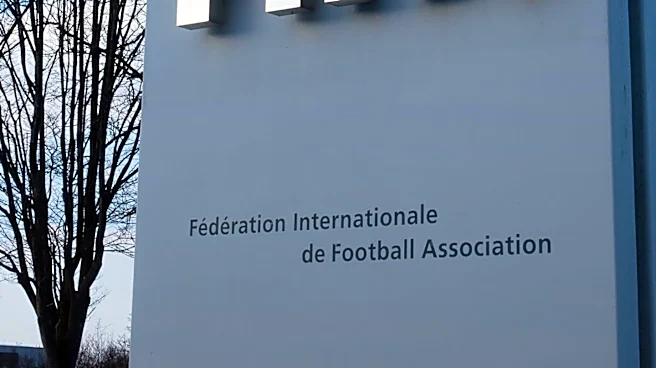
FIFA has endorsed Nigeria's plan for a comprehensive reform of its football administration following the resignation of the Nigeria Football Federation (NFF) board and its General Secretary. This development was announced by the National Sports Commission
Chairman, Shehu Dikko, after a meeting with FIFA and Confederation of African Football (CAF) officials in Switzerland. The NFF board's resignation created a leadership vacuum, prompting discussions with FIFA to determine a path forward within the governing body's regulations. Dikko stated that FIFA recognized the proposed reforms as addressing long-standing structural challenges in Nigerian football, aiming for a more transparent and accountable system. The discussions included FIFA President Gianni Infantino, its Vice President, General Secretary, CAF Vice President, and legal representatives. FIFA has agreed that reforms are necessary but emphasized adherence to proper processes and rulebooks. The Nigerian government's ambition for comprehensive football reform was a central point of discussion, with FIFA acknowledging the government's role as a major stakeholder due to its contributions in infrastructure, funding, and security. Consultations with stakeholders on the reform blueprint have already begun, and FIFA is expected to conduct an on-site assessment in Nigeria.
Why It's Important?
This endorsement from FIFA is crucial for the legitimacy and international recognition of the impending reforms in Nigerian football. Without FIFA's approval, any changes to the NFF's structure could lead to sanctions, including potential bans from international competitions, which would severely impact Nigerian football at all levels. The reform aims to address issues of transparency and accountability, which are vital for the sport's development and for attracting further investment. The acknowledgment of the government's significant role by FIFA sets a precedent for how national governments can collaborate with international sports bodies to improve local sports governance. The proposed changes to the NFF electoral code and system are designed to foster more transparent elections, potentially reducing internal conflicts and improving the overall management of football in Nigeria. This could lead to a more stable and efficient football administration, benefiting players, clubs, and fans, and potentially enhancing Nigeria's performance in international football. The financial scrutiny highlighted by the N17 billion funding from the Federal Government underscores the need for robust financial oversight within the NFF, ensuring public funds are used effectively and transparently.
What's Next?
FIFA will determine the composition and mandate of an independent normalisation committee to oversee the reform process. This committee will have clear timelines and terms of reference, with its members being independent and barred from contesting future NFF elections to ensure neutrality. The committee's tenure could range from six months to a year, depending on the scope of reforms agreed upon with stakeholders. The reforms will be divided into immediate, medium, and long-term measures, with some potentially extending beyond the normalisation committee's term. An agreement will be signed between the Nigerian government, FIFA, and CAF to ensure continuity of the reforms after the transition period. FIFA will also conduct an on-site visit to Nigeria to further engage with stakeholders and finalize the reform document. The National Sports Commission (NSC) is actively engaging with State Football Associations (FAs) to address their concerns about the reform process, particularly regarding the role of the NFF Congress and the potential for bypassing existing structures. A crucial meeting is scheduled to harmonize positions and prevent further governance crises, as State FAs insist the NFF Congress cannot be dissolved or sidelined without adhering to established statutes.
Beyond the Headlines
The ongoing reform efforts in Nigerian football highlight a broader challenge faced by sports organizations globally: balancing national interests and governance with international sporting regulations. The emphasis on transparency and accountability, particularly concerning the substantial government funding, points to a growing demand for good governance in sports. The debate over the NFF Congress's role and the State FAs' insistence on its constitutional importance underscores the complexities of implementing top-down reforms while respecting existing democratic structures within sports federations. This situation could serve as a case study for other nations grappling with similar issues, demonstrating how international bodies like FIFA can collaborate with national governments to instigate change without undermining local autonomy entirely. The potential for a new electoral system, where entire teams contest elections, could fundamentally alter the political landscape of Nigerian football, promoting more cohesive leadership and strategic planning. This reform could also set a precedent for how financial irregularities in sports bodies are investigated and addressed, potentially leading to greater scrutiny and accountability across the board.