




What's Happening?
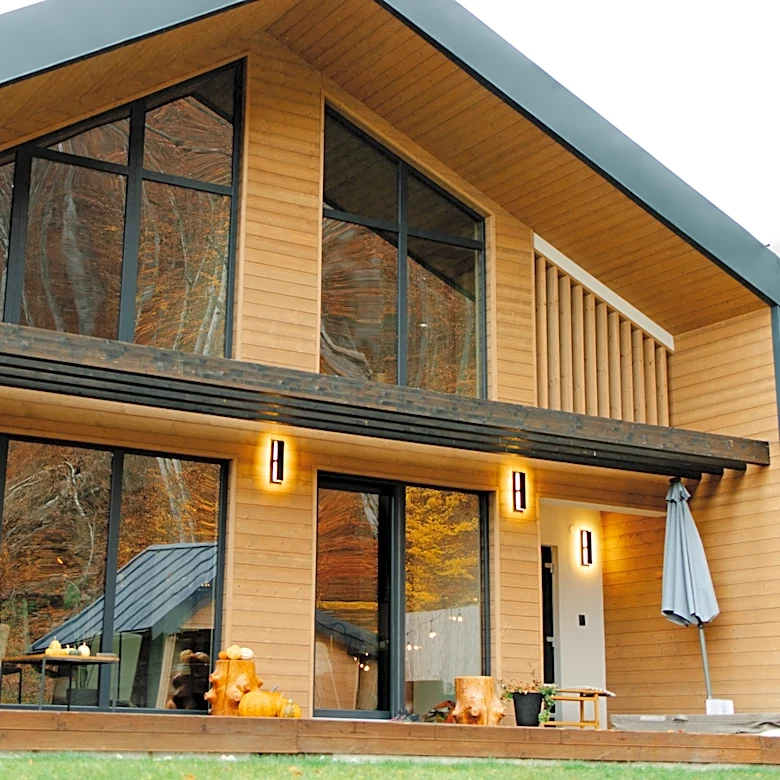
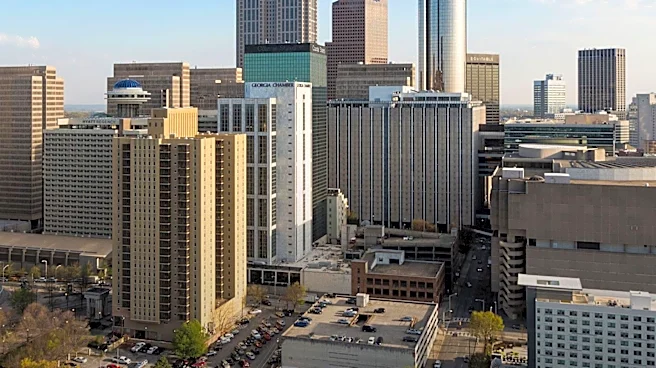
Homeowners in Atlanta, Georgia, are increasingly investing in custom outdoor living spaces to enhance their homes' functionality and provide areas for relaxation and entertainment. Atlanta, being Georgia's largest metropolitan area, features diverse neighborhoods
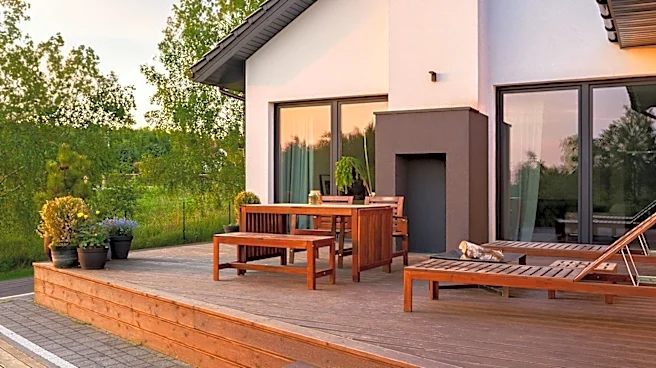
where residents are leveraging the region's hot summers and mild winters to enjoy outdoor areas for much of the year. These investments include custom decks, screened porches, sunrooms, and various shade solutions. The designs often aim to maximize available space while complementing the existing architecture and neighborhood aesthetics. Some homeowners prioritize creating dedicated entertainment zones, while others seek comfortable retreats offering protection from heat, pollen, and insects. Features like covered decks and low-maintenance decking materials are popular choices to ensure these spaces remain functional and comfortable across seasons. Additionally, many communities in the Atlanta area have Homeowners Association (HOA) or architectural review requirements that may impact exterior construction projects, and certain deck, porch, and sunroom installations might require permits depending on local regulations and the scope of work.
Why It's Important?
The trend of investing in outdoor living spaces in Atlanta reflects a broader shift in how U.S. homeowners view and utilize their properties. This movement signifies an increased desire for extended living areas that blend indoor comfort with outdoor enjoyment, driven by evolving lifestyle preferences and the pursuit of enhanced property value. For the construction and landscaping industries, this translates into a robust market for specialized services, including custom design, material selection, and installation of complex outdoor features. The emphasis on durability and low maintenance also influences manufacturing trends, favoring materials that can withstand varying weather conditions. Furthermore, the need to navigate HOA regulations and local permitting processes highlights the importance of professional expertise in project management and compliance, creating opportunities for firms that can offer comprehensive solutions. This trend not only boosts local economies through construction and related services but also contributes to a higher quality of life for residents, fostering community engagement through outdoor gatherings and activities.
What's Next?
The demand for custom outdoor living spaces in Atlanta is expected to continue, with homeowners likely seeking more integrated and technologically advanced solutions. Future developments may include a greater emphasis on smart outdoor features, such as automated lighting, climate control, and entertainment systems, further blurring the lines between indoor and outdoor living. The industry will likely see continued innovation in sustainable and eco-friendly materials, driven by both consumer preference and environmental regulations. Design trends may lean towards more personalized and multi-functional spaces that can adapt to various activities and seasons. Builders and designers will need to stay abreast of evolving local regulations and HOA requirements, potentially offering more streamlined processes for obtaining necessary permits. Additionally, as the market matures, there may be an increased focus on long-term maintenance and warranty services, creating new business opportunities for service providers.
Beyond the Headlines
Beyond the immediate economic impact, the growing investment in outdoor living spaces in Atlanta points to deeper societal and cultural shifts. It underscores a re-evaluation of home as a sanctuary and a primary hub for social interaction, especially in a post-pandemic world where outdoor activities gained renewed importance. This trend also highlights a desire for greater connection with nature and an appreciation for aesthetic and functional outdoor environments. The customization aspect reflects a broader consumer demand for personalized experiences and products that cater to individual tastes and needs, moving away from one-size-fits-all solutions. Ethically, the focus on durable and low-maintenance materials could lead to more sustainable construction practices, reducing waste and environmental impact. Culturally, these spaces foster a sense of community and well-being, encouraging outdoor recreation and social gatherings, which can have positive effects on mental and physical health. The integration of outdoor living into home design is becoming a standard expectation, influencing architectural styles and urban planning.