




What's Happening?
Aldi, a German discount grocery chain, is significantly expanding its presence in the U.S., with plans to open over 180 new stores in 2026, aiming for a total of 3,200 stores by the end of 2028. This aggressive expansion, backed by a $9 billion investment
between 2024 and 2028, is impacting the broader grocery market. A comparison by NPR's Planet Money found that Aldi consistently matches or beats Walmart's prices, which typically sets the pricing floor for most grocers. Aldi achieves these low prices through an operating model that relies heavily on private-label products, constituting over 80% of its inventory, and a streamlined selection process that offers fewer items, often just one version of each. This approach allows for bulk purchasing, reduced waste, and lower operational costs, including rent and storage. The company's growth has been substantial, with one in three U.S. households shopping at Aldi last year and 17 million new customers acquired. Its 2024 U.S. sales are projected to exceed $29 billion, surpassing Trader Joe's.
Why It's Important?
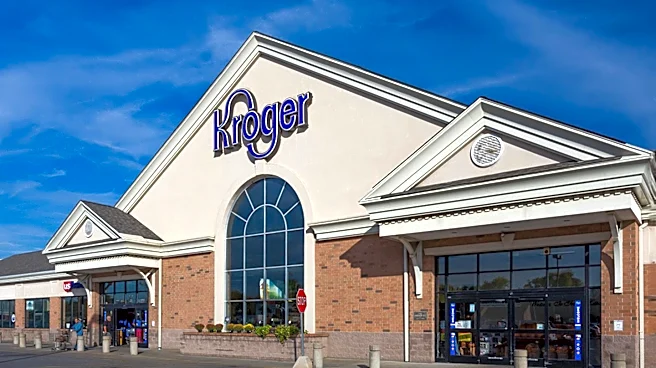
Aldi's expansion and pricing strategy are creating significant competitive pressure within the U.S. grocery industry. Major retailers like Kroger and Wegmans have already announced defensive price reductions in response. Walmart has also expanded its own price cuts to over 7,000 items. This competitive environment is beneficial for consumers, as it leads to lower grocery prices across the board, making food more affordable at a time when grocery prices have risen 28% from September 2020 to September 2026. The impact extends beyond direct competition; a study on Lidl, another German discounter with a similar model, found that rival markups fell by approximately 7% in areas where a new Lidl store opened. This suggests that even without directly losing customers, competing grocers are compelled to reduce their profit margins to remain competitive. For national brands, Aldi's high private-label penetration means less shelf space and reduced market share opportunities. Suppliers and landlords are also affected, as Aldi's rapid expansion creates demand for construction and logistics services in new markets.
What's Next?
Aldi plans to continue its aggressive expansion, entering new states like Colorado with over 50 planned stores and Maine with its first store in Portland. The company will also convert more than 200 locations acquired in the 2024 Southeastern Grocers deal by the end of 2027. This ongoing growth is expected to intensify price competition in the U.S. grocery market, potentially leading to further price reductions from other major retailers. The 'Lidl effect,' where competitor markups decrease by about 7% in areas with new discount stores, is likely to be replicated as Aldi expands into more trade areas. This will continue to benefit consumers by offering more affordable food options. For conventional grocers, adapting to Aldi's efficient operating model and competitive pricing will be crucial for survival. National brands will need to strategize how to compete with Aldi's dominant private-label offerings. The focus on cost-efficiency and private labels is likely to become a more widespread trend in the industry.
Beyond the Headlines
The rise of discount grocers like Aldi reflects a broader shift in consumer behavior and economic conditions in the U.S. The increasing cost of living, particularly the significant rise in grocery prices, has made affordability a primary concern for many American households. This trend has elevated the importance of value-oriented retailers. Aldi's success highlights the effectiveness of a lean operating model that prioritizes efficiency over traditional grocery store amenities like extensive selection or elaborate displays. The company's 'plain-store discipline'—no music, product displayed in shipping cartons, and limited staff—is a deliberate strategy to reduce labor costs and pass those savings on to consumers. This approach challenges the conventional wisdom of grocery retail and could lead to a re-evaluation of operational strategies across the industry. The emphasis on private labels also signifies a growing consumer acceptance, and even preference, for store brands, potentially eroding the long-standing dominance of national brands in certain product categories. This shift could have long-term implications for brand loyalty and marketing strategies in the food sector.