


What's Happening?
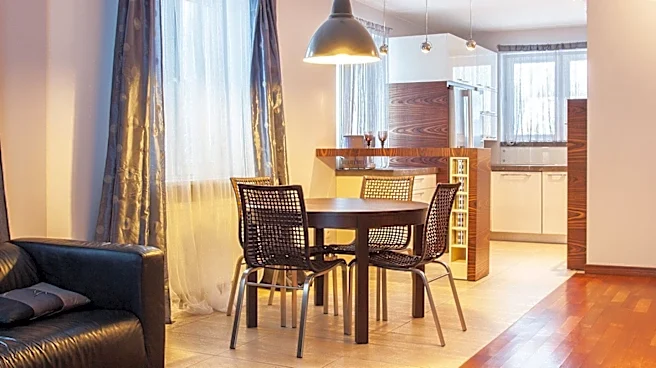
Interior design experts are re-evaluating the long-standing trend of open-plan living, with some advocating for a return to more defined spaces and zoning within homes. Designer Timothy Hill of Partners Hill argues against open-plan designs, stating they
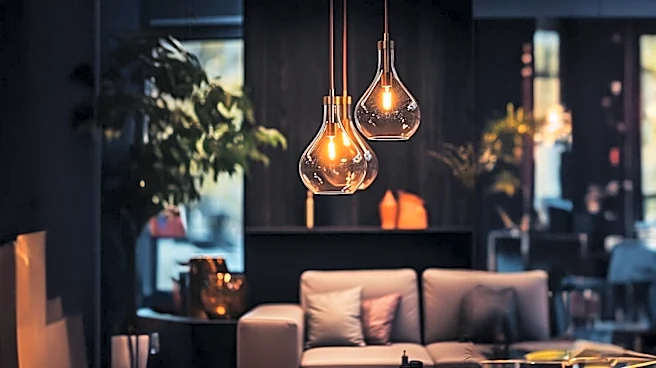
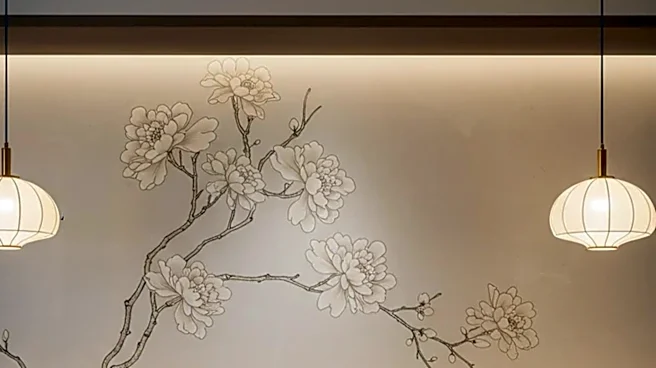
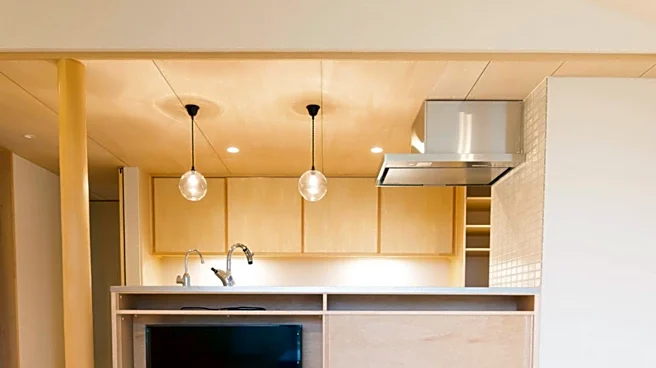
can make a home feel like a 'storage container,' and instead champions creating different levels and multi-functional furniture to enhance space. This perspective is supported by an Australian interior architecture award-winning tiny apartment that uses clever zoning to create distinct areas. Additionally, there's a growing focus on layered lighting, moving away from harsh overhead 'big lights' towards softer, more ambient illumination that follows the circadian rhythm. Professor Deborah Sugg-Ryan notes that the prevalence of single central light fixtures in UK homes originated from cost-saving measures during initial wiring, a compromise still affecting modern lighting choices. The trend of bronze as a metallic finish is also gaining traction, potentially replacing brass.
Why It's Important?
These evolving design philosophies have significant implications for U.S. homeowners, architects, and the construction industry. The re-evaluation of open-plan living suggests a potential shift in consumer preferences, moving towards more private and functionally distinct areas within homes. This could lead to new architectural designs that incorporate flexible walls, sliding partitions, or multi-level layouts, impacting how new homes are built and how existing ones are renovated. The emphasis on layered and circadian-friendly lighting highlights a growing awareness of well-being and comfort in home environments, potentially driving demand for smart lighting systems and diverse fixture types. For the home decor market, the rise of bronze as a preferred metallic finish indicates a continuous evolution of material trends, influencing product development for hardware, lighting, and decorative items. These changes reflect a broader desire for homes that are both aesthetically pleasing and highly functional, tailored to individual needs and modern lifestyles.
What's Next?
The design industry is likely to see an increased focus on innovative zoning solutions and flexible living spaces in residential architecture. This could manifest in new construction featuring adaptable floor plans, and a surge in renovation projects aimed at creating more defined areas within existing open-concept homes. Manufacturers of lighting fixtures will probably expand their offerings to include more options for layered and tunable lighting, catering to the demand for circadian-friendly illumination. The shift in metallic finishes from brass to bronze will influence product lines across various home categories, from plumbing fixtures to decorative accents. Consumers can expect to see more diverse and personalized options in home design, moving away from a one-size-fits-all approach and towards solutions that prioritize comfort, functionality, and individual well-being.
Beyond the Headlines
The debate over open-plan living and the emphasis on thoughtful lighting extend beyond mere aesthetics, touching upon psychological and social aspects of home life. Open-plan spaces, while promoting connectivity, can sometimes lead to a lack of privacy and increased noise, impacting mental well-being and concentration. A return to more defined zones could offer residents greater control over their environment, fostering a sense of calm and personal space. Similarly, the focus on circadian lighting acknowledges the profound impact of light on human health, sleep patterns, and mood. By aligning indoor lighting with natural light cycles, homes can become more supportive of occupants' biological rhythms. These trends reflect a deeper societal desire for homes that are not just visually appealing but also conducive to health, productivity, and emotional comfort, signaling a more holistic approach to residential design.