





What's Happening?
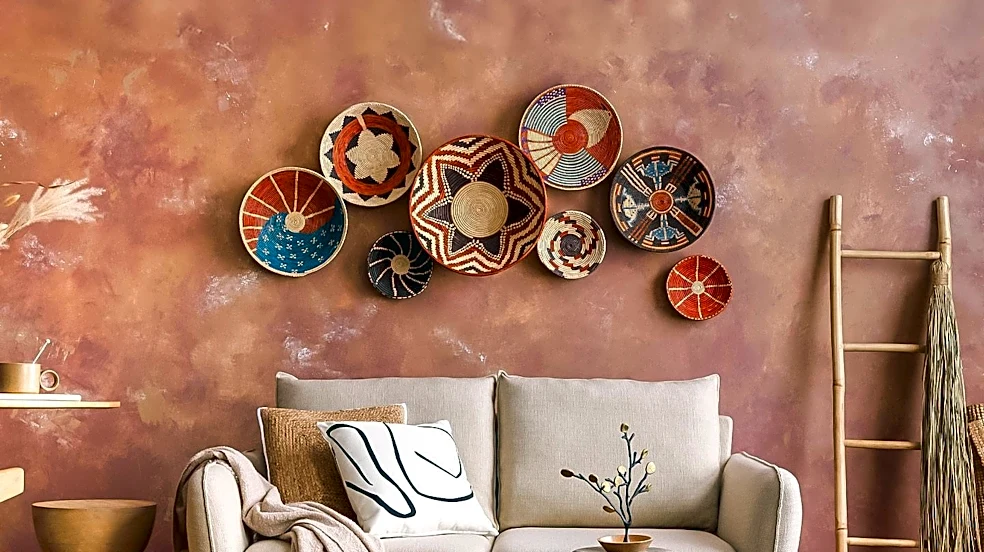
Gallery walls offer a creative method for displaying a diverse collection of family photographs, fine art prints, and personal memorabilia, adding immediate character to a space. However, achieving a balanced and aesthetically pleasing arrangement requires
careful planning and patience. A crucial initial step involves mapping out the layout on the floor using masking tape to define the wall's dimensions. Following this, paper templates matching the size and shape of each frame are created and temporarily affixed to the wall with painter's tape. This allows individuals to visualize the arrangement in relation to furniture and sightlines from various points in the room, such as doorways or sofas. This meticulous planning helps prevent unnecessary drilling and ensures the final display is well-integrated into the living space. The process emphasizes the importance of balancing visual weight and considering the physical limitations of the wall materials.
Why It's Important?
The strategic creation of gallery walls is important for U.S. homeowners and interior design enthusiasts as it transforms blank walls into personalized focal points, enhancing the aesthetic and emotional value of living spaces. By carefully planning layouts and using templates, individuals can avoid common pitfalls like misaligned frames or damaged walls, which can be costly and time-consuming to repair. This approach promotes thoughtful design, encouraging homeowners to curate meaningful collections that reflect their personal style and history. Furthermore, the emphasis on proper installation, especially for heavier pieces, highlights safety considerations, preventing potential property damage or injury. For the home decor industry, this trend underscores the demand for versatile framing options, mounting hardware, and professional installation services, contributing to a segment of the U.S. retail and service economy focused on home improvement and personalization.
What's Next?
As interest in personalized home decor continues, the adoption of systematic approaches to creating gallery walls is likely to grow. Consumers will increasingly seek out resources, tools, and services that simplify the planning and installation process. This could lead to an expansion in the market for specialized wall-hanging kits, customizable frame sets, and digital tools that assist with layout design. Professional picture hanging services may also see increased demand, particularly for complex or heavy installations, as homeowners prioritize both aesthetics and safety. Additionally, interior design trends may further evolve to incorporate gallery walls with mixed media, varying textures, and integrated lighting, pushing the boundaries of traditional displays. Educational content, such as online tutorials and workshops, will likely continue to guide individuals through these detailed processes, empowering more people to confidently create their own curated wall displays.
Beyond the Headlines
Beyond the immediate aesthetic benefits, the creation of gallery walls touches upon deeper cultural and psychological aspects of home. In the U.S., where personal expression and individuality are highly valued, gallery walls serve as a tangible narrative of one's life, memories, and artistic preferences. They transform a house into a home by infusing it with personal history and character, fostering a sense of belonging and comfort. Ethically, the process encourages mindful consumption and display, moving away from disposable decor towards curated, meaningful collections. This trend also subtly promotes a DIY culture, empowering individuals to take an active role in shaping their living environments, which can contribute to a greater sense of ownership and satisfaction with their homes. The careful planning involved also instills a sense of craftsmanship and attention to detail, elevating home decorating from a simple task to a thoughtful creative endeavor.