



What's Happening?
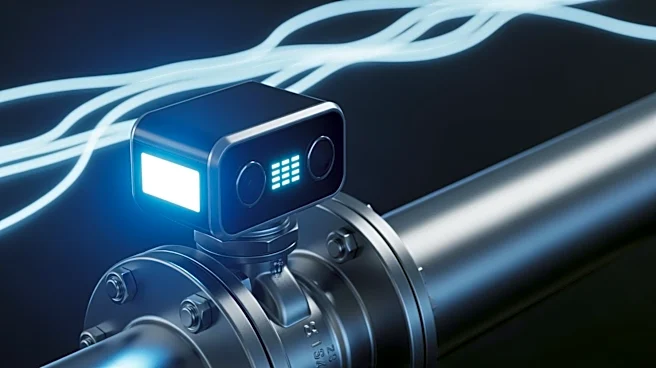
McWane has launched iHydrant Plus, an advanced version of its hydrant-based monitoring platform aimed at improving water utility management. This new system integrates acoustic leak detection, pressure monitoring, and temperature data with machine learning
tools to provide real-time analytics and alerts. The platform is designed to help utilities detect leaks and pressure anomalies more efficiently, enhancing visibility into distribution system performance. Unlike traditional systems that rely on a single data source, iHydrant Plus combines multiple streams of information to identify potential issues and direct utility staff to areas needing attention. This approach helps operators uncover system blind spots and respond more quickly to infrastructure challenges, including those related to aging assets, water scarcity, and climate change. The platform supports efforts to reduce non-revenue water by providing continuous operational data from hydrant locations throughout a distribution network, without taking hydrants out of service or disrupting routine maintenance activities.
Why It's Important?
The introduction of iHydrant Plus is significant as it reflects a broader trend in the water sector towards the adoption of digital tools, sensors, and analytics to improve asset management and distribution system efficiency. As water utilities face increasing pressure to address water loss and aging infrastructure, technologies that offer real-time network monitoring are becoming essential components of modernization strategies. By enabling earlier detection of leaks and pressure anomalies, iHydrant Plus can help utilities reduce water loss, optimize maintenance schedules, and improve overall system reliability. This not only aids in conserving water resources but also enhances the financial sustainability of water utilities by reducing non-revenue water losses.
What's Next?
As utilities continue to adopt digital monitoring solutions like iHydrant Plus, there may be increased collaboration between technology providers and water utilities to further enhance system capabilities. Future developments could include the integration of additional data sources and advanced analytics to provide even more comprehensive insights into water distribution systems. Additionally, as the technology proves its effectiveness, it may lead to wider adoption across the industry, potentially setting new standards for water system management and efficiency.