




What's Happening?
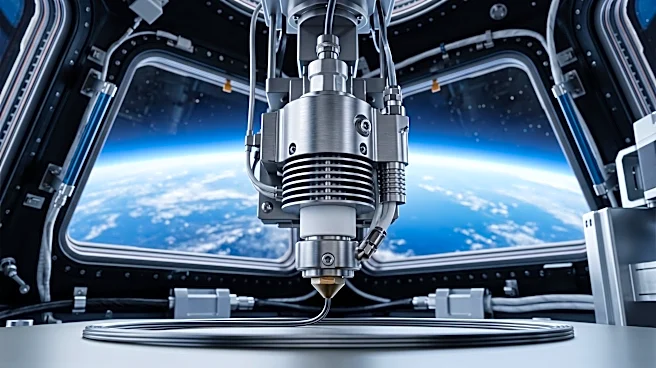
Robert Ihnatisin, cofounder and CTO of Orbital Matter, has secured a patent for 3D-printing technology designed to operate in the vacuum of space. This innovation aims to enable the construction of large structures in orbit without the need for them to fit
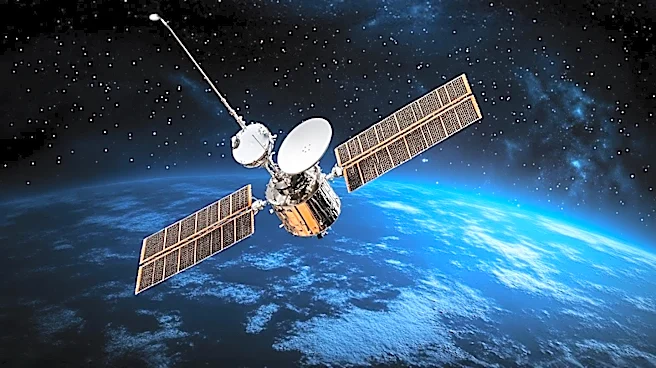
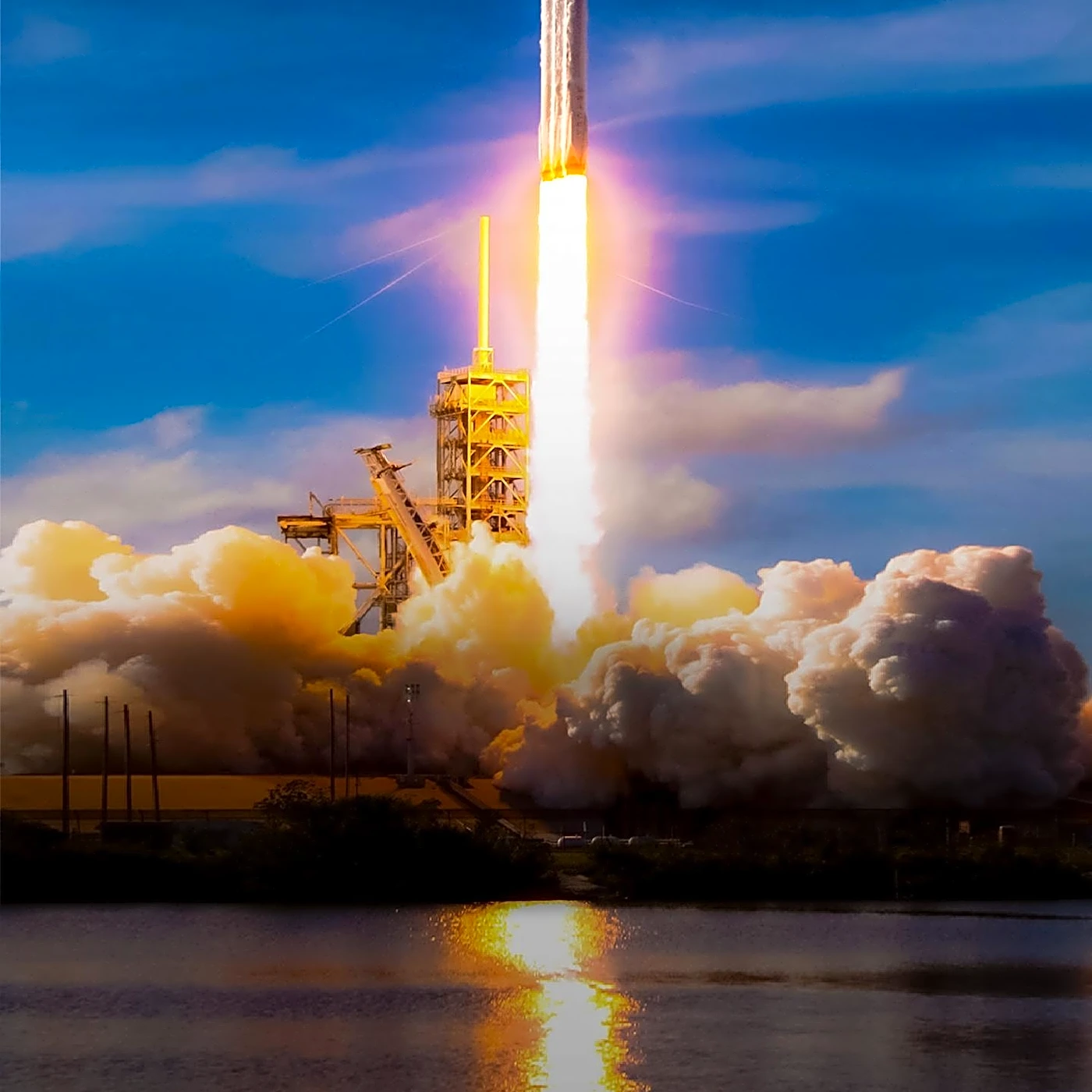
within the confines of a typical launch vehicle. The core idea is to transport raw materials into space and then manufacture the required structures directly in orbit. Orbital Matter has already conducted two demonstration missions to prove its in-orbit 3D-printing capabilities and has a third, larger mission planned. The company anticipates beginning construction missions in the 2030s, focusing on deploying radiators and kilometer-long solar arrays.
Why It's Important?
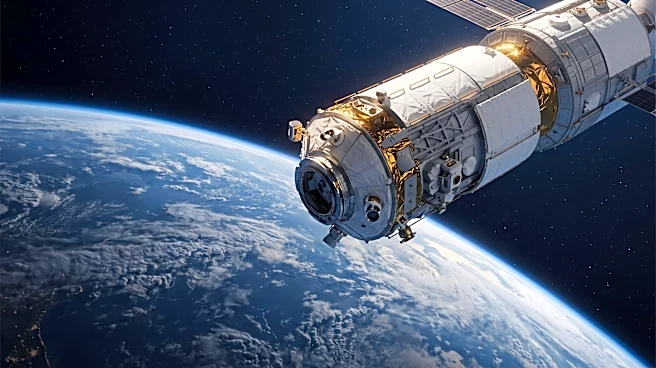
This technology is critical for the future of large-scale space missions and the expansion of the U.S. commercial space industry. Currently, the size and complexity of orbital structures are limited by the payload capacity and fairing dimensions of launch vehicles. Orbital Matter's in-space manufacturing capability could significantly reduce the cost and complexity of deploying large solar arrays for commercial space stations and orbital data centers. This innovation could unlock new possibilities for space infrastructure, making it feasible to build much larger and more powerful satellites and habitats. It also positions the U.S. at the forefront of in-orbit manufacturing, a key technology for sustained human presence beyond Earth and for leveraging space resources.
What's Next?
Orbital Matter plans to continue its development and testing phases, with a third, larger demonstration mission on the horizon. The company expects to transition from demonstration to active construction missions in the 2030s, focusing initially on deploying radiators and extensive solar arrays. This will involve scaling up their 3D-printing technology and refining their operational procedures for in-space manufacturing. The success of these early construction missions will be crucial for attracting further investment and securing contracts for larger projects. The company's approach of hiring talent from outside the traditional aerospace sector suggests a continued focus on innovative solutions and challenging established norms in space engineering.
Beyond the Headlines
The ability to 3D print large structures in space has profound implications beyond just cost reduction. It could revolutionize space architecture, allowing for the creation of custom-designed habitats, observatories, and power generation facilities that are optimized for their specific orbital environments. This technology also reduces reliance on Earth-based manufacturing and launch infrastructure, potentially making space exploration and utilization more resilient and independent. Furthermore, it opens the door to using extraterrestrial resources for construction, such as lunar regolith, which could significantly lower the cost and increase the sustainability of long-term space endeavors. This innovation could be a cornerstone for establishing permanent human settlements on the Moon and Mars.