


What's Happening?
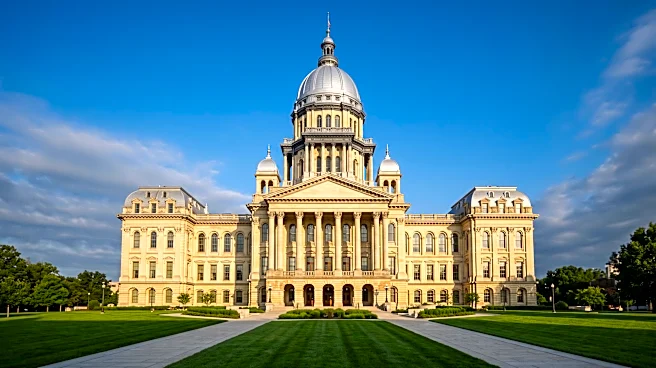
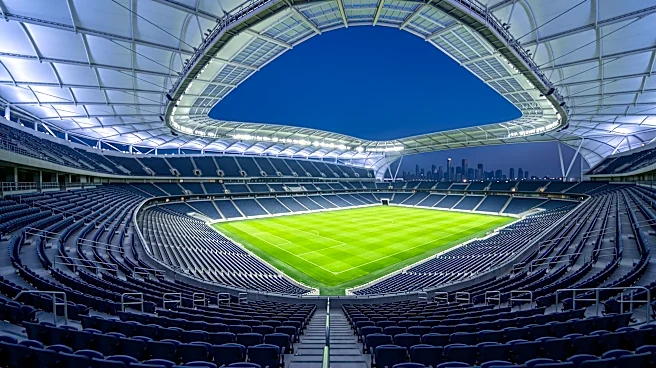
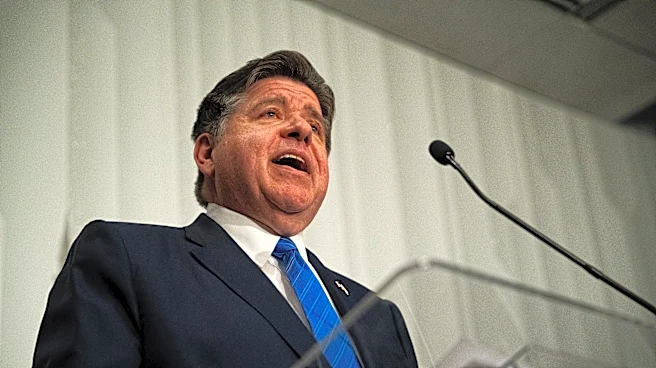
Illinois Governor JB Pritzker recently met with NFL Commissioner Roger Goodell, along with Illinois legislative leaders and Chicago Bears minority owner Pat Ryan, to discuss the future stadium plans for the Chicago Bears. This meeting, held in Illinois,
is part of ongoing efforts by the state to retain the team, which has been considering a move to Hammond, Indiana. The discussions focused on finding a long-term stadium solution within Illinois while protecting taxpayers. This marks Goodell's second meeting with Illinois officials in as many months, indicating the league's engagement in the team's stadium dilemma. The Bears had previously proposed a $4.7 billion project in Arlington Heights, Illinois, but have also been exploring options in Indiana, where lawmakers have offered significant taxpayer funding for a new stadium. The presence of Pat Ryan, who has taken a more active role in negotiations, suggests a renewed push to find common ground with Illinois officials.
Why It's Important?
The outcome of these stadium negotiations carries significant economic and political implications for Illinois and the Chicago metropolitan area. Retaining the Chicago Bears would preserve a major economic engine, including jobs, tourism revenue, and local business activity associated with game days and related events. A move to Indiana, conversely, would result in a substantial loss of these benefits for Illinois. The discussions also highlight the complex interplay between professional sports franchises, state governments, and taxpayer funding. The state's commitment to 'protecting taxpayers' while trying to keep the team underscores the delicate balance between public investment and private enterprise. The involvement of high-level state officials and the NFL Commissioner signals the high stakes involved, as both sides aim to secure the best possible outcome for their respective interests. The decision will impact local communities, infrastructure development, and the regional identity tied to a major sports team.
What's Next?
Further meetings are anticipated this month between Illinois officials and the Chicago Bears organization, with lawmakers expected to return to Springfield in mid-November for the fall veto session. While no major breakthrough was reported from the recent meeting, sources suggest optimism that common ground could be found. The NFL has emphasized the need for 'timely action' from the Bears to secure a long-term stadium solution. The Bears' current lease at Soldier Field extends until 2033, providing some time, but the team's leadership has indicated a desire for a quicker resolution. The state of Indiana continues to present a strong alternative, having offered substantial financial incentives. The coming weeks will likely see intensified negotiations as Illinois attempts to counter Indiana's proposals and finalize a deal that satisfies both the team's financial requirements and the state's fiscal responsibilities.
Beyond the Headlines
The ongoing saga surrounding the Chicago Bears' stadium location reflects a broader trend of professional sports teams leveraging their economic impact to secure favorable deals from state and local governments. This often leads to debates about the appropriate use of taxpayer money for private ventures. The situation also touches upon regional rivalries, as neighboring states compete for the prestige and economic benefits associated with hosting a major sports franchise. The involvement of NFL Commissioner Roger Goodell underscores the league's role in facilitating these negotiations and ensuring the long-term viability of its teams. Beyond the immediate financial considerations, the decision will have cultural implications for Chicago, a city deeply identified with its sports teams. The outcome could set a precedent for future negotiations between sports franchises and governmental entities, influencing how public funds are allocated for similar projects across the nation.