



What's Happening?
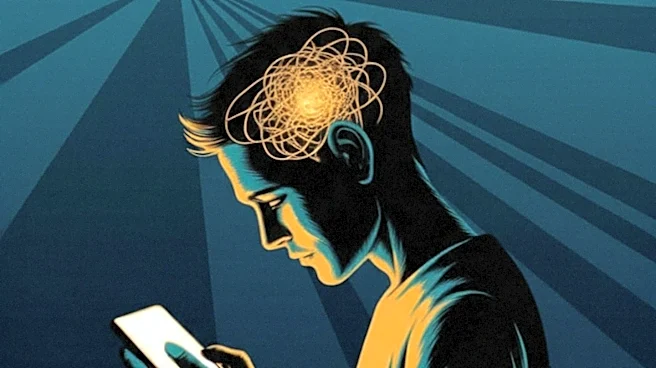
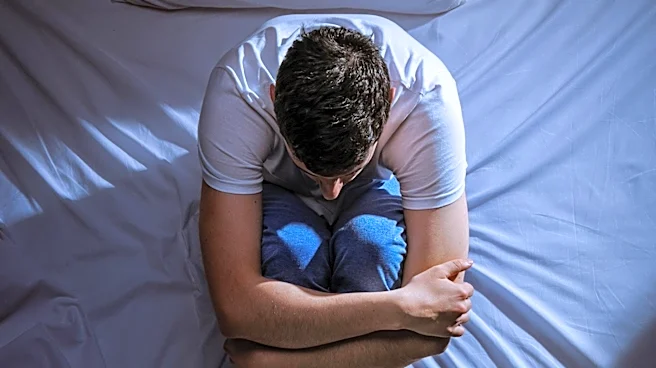
A Norwegian survey of 1,002 individuals with insomnia revealed that 17% reported their sleep-tracking applications exacerbated their sleep-related anxiety. The study highlights a phenomenon termed 'orthosomnia,' where the pursuit of perfect sleep data
through apps can paradoxically interfere with actual sleep. Clinicians observe that individuals may disregard their natural feeling of restfulness in favor of app-generated scores, leading to increased worry if the data indicates poor sleep, even when the individual feels fine. This suggests a potential disconnect between subjective well-being and objective sleep metrics provided by these devices. The survey indicates that a significant portion of users might be experiencing negative psychological effects from their reliance on sleep-tracking technology, prompting concerns about the overall utility and impact of these apps on mental health for those already struggling with sleep disorders. The findings suggest that while data can be helpful, it should not override an individual's own perception of their sleep quality.
Why It's Important?
This finding is significant for the growing market of health and wellness technology, particularly sleep-tracking devices and applications. It underscores a critical, unintended consequence of these tools: instead of alleviating sleep issues, they may contribute to increased anxiety and stress for a notable segment of users, especially those with pre-existing conditions like insomnia. For healthcare providers, this raises awareness about the potential for 'orthosomnia' and the need to counsel patients on the judicious use of such technology. The industry may need to re-evaluate design principles to prioritize user well-being over data presentation, focusing on insights that are calming and actionable rather than purely quantitative. This could influence product development towards more holistic approaches that integrate subjective feelings with objective data, ensuring that technology serves as a supportive tool rather than a source of additional stress.
What's Next?
In response to these findings, individuals experiencing increased anxiety due to sleep trackers are advised to consider taking a break from their devices. Recommendations include trying a week without the tracker to observe natural feelings upon waking, rating sleep quality subjectively before reviewing any data, and checking data weekly instead of daily if the device is still used. For developers of sleep-tracking apps, this survey may prompt a re-evaluation of user interface design and data presentation, potentially leading to features that emphasize qualitative feedback and reduce the pressure associated with achieving 'perfect' scores. Healthcare professionals might increasingly incorporate discussions about the psychological impact of sleep trackers into their patient consultations, guiding individuals on how to use these tools beneficially without fostering anxiety. Future research could explore the long-term psychological effects of continuous sleep tracking and develop best practices for its use.
Beyond the Headlines
The phenomenon of 'orthosomnia' extends beyond mere sleep tracking, touching upon broader societal trends of self-quantification and the potential for technology to create new forms of anxiety. In an era where personal data is increasingly collected and analyzed, this situation highlights the ethical considerations surrounding health technology. The reliance on external metrics to validate internal experiences can erode self-awareness and trust in one's own body signals. This raises questions about the balance between data-driven insights and intuitive self-perception in managing personal health. Culturally, it reflects a growing tendency to outsource self-assessment to algorithms, potentially diminishing the importance of subjective well-being. The long-term implication could be a shift in how individuals perceive and manage their health, moving towards a more data-dependent model that may not always align with psychological well-being, especially for vulnerable populations.