








What's Happening?
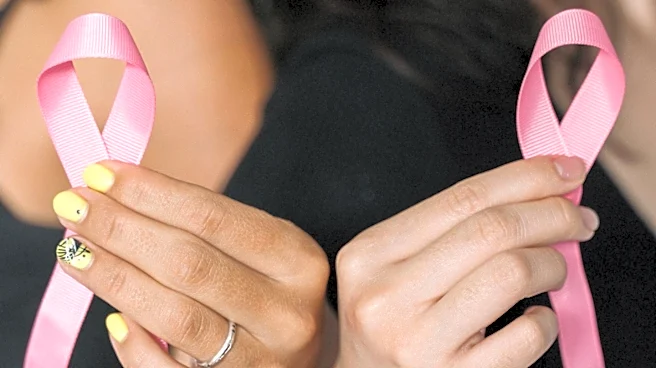
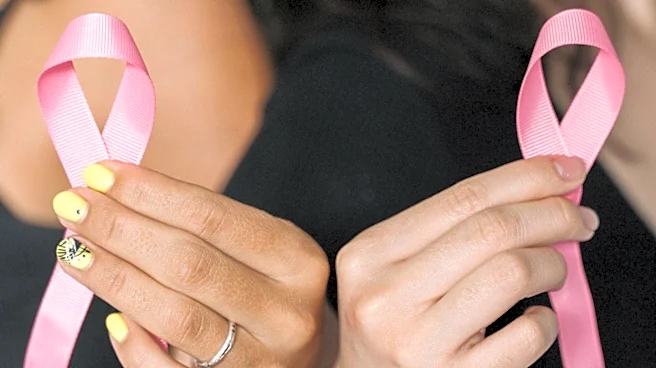
Breast cancer patients and survivors often face unique challenges during the summer, particularly when it comes to enjoying time at the pool or beach. According to Dr. Elise Min, a board-certified plastic and reconstructive surgeon, the season can amplify
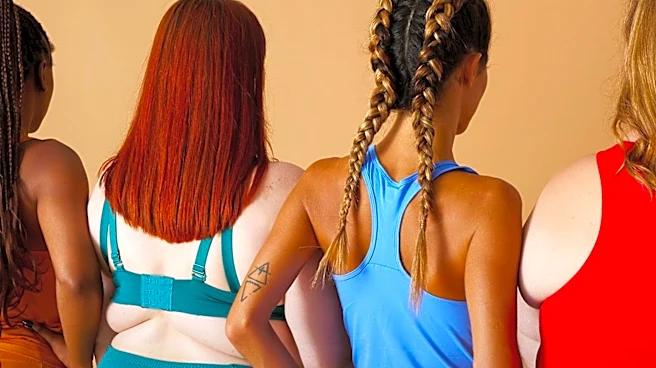
existing physical and emotional challenges. Many women experience discomfort from wigs, tissue expanders, and compression garments, which can feel tight and hot. Additionally, post-radiation skin and surgery scars may be more sensitive to sun and heat. Dr. Anne Peled, a breast cancer survivor and surgeon, notes that visible changes such as scarring and changes in breast shape can lead to self-consciousness, especially when wearing swimsuits. To address these issues, experts recommend choosing swimwear with more structure, higher necklines, or built-in pockets for prostheses. Staying hydrated, wearing loose clothing, and taking breaks in the shade are also advised to enhance comfort.
Why It's Important?
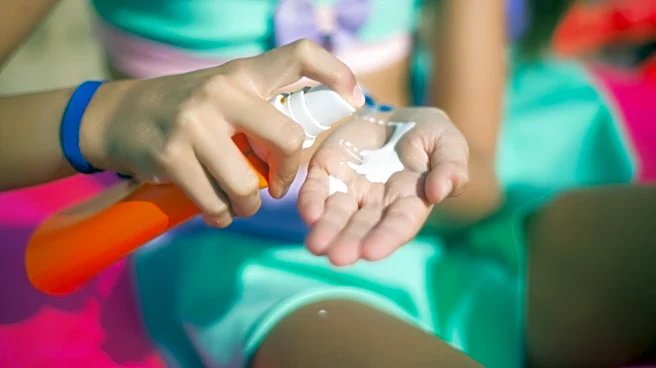
This guidance is crucial for improving the quality of life for breast cancer patients and survivors, allowing them to participate in summer activities with greater ease and confidence. The advice provided by medical professionals helps address both physical discomfort and emotional insecurities, promoting a sense of normalcy and enjoyment. By focusing on practical solutions, such as appropriate swimwear and sun protection, these individuals can better manage their health and well-being. This approach not only supports personal healing but also encourages social engagement and mental health, which are vital components of recovery and long-term wellness.
What's Next?
As summer continues, breast cancer patients and survivors may explore additional resources and support networks to further enhance their comfort and confidence. Healthcare providers might offer workshops or informational sessions on managing summer-related challenges. Additionally, the fashion industry could respond by designing more inclusive swimwear options that cater to the needs of this community. Ongoing research and dialogue between patients, survivors, and medical professionals will likely continue to evolve, providing new insights and strategies for improving the summer experience for those affected by breast cancer.
Beyond the Headlines
The broader implications of this guidance extend to societal perceptions of beauty and health. By normalizing the conversation around body image and health challenges, there is potential for greater acceptance and understanding of diverse body types and medical conditions. This shift could lead to more inclusive public spaces and activities, where individuals feel welcomed and supported regardless of their health status. Furthermore, the emphasis on self-care and personal comfort highlights the importance of mental health in the healing process, encouraging a holistic approach to recovery.