


What's Happening?
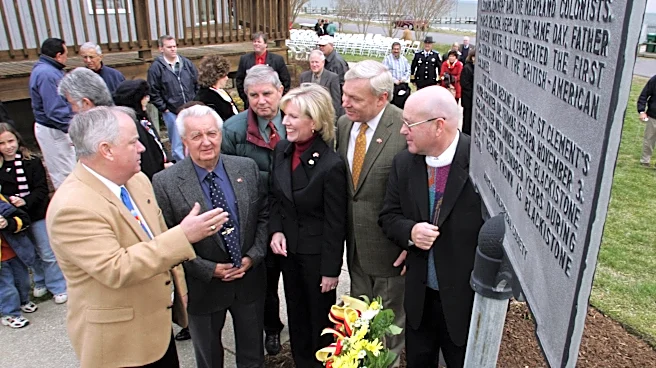
A new highway marker has been installed in Fredericksburg, Virginia, at the intersection of Fall Hill Avenue and Route 1, to commemorate the site where guitarist Link Wray first performed his influential song, later known as 'Rumble.' The unveiling took
place on November 21, with members of Wray's family present. Chris Williams, assistant director of the University of Mary Washington’s James Farmer Multicultural Center, led the initiative to secure approval for the marker from the Virginia Department of Historic Resources. Wray's initial performance of the song, then called 'Oddball,' occurred in the summer of 1957 during a sock hop. The improvisation was a response to an audience request for 'The Stroll,' a song Wray did not know how to play. The crowd's enthusiastic reaction led to multiple repetitions of the piece that evening. 'Rumble' was officially recorded in 1958, with Wray famously poking holes in his amplifier speaker to achieve its distinctive distorted sound. The song holds the unique distinction of being the only instrumental track banned by radio in 1958 due to concerns about juvenile delinquency.
Why It's Important?
The highway marker recognizes Link Wray's significant contributions to rock and roll music, particularly his pioneering use of distortion and power chords. Wray is credited as the first Native American guitarist to achieve a hit song on the Billboard charts, making the marker's unveiling during National Native American Heritage Month particularly poignant. His innovative sound in 'Rumble' was crucial to the development of rock 'n' roll in the 1950s and influenced countless musicians. The song's induction into the Rock and Roll Hall of Fame in 2018, followed by Wray's posthumous induction in 2023 in the 'Musical Influence' category, underscores its lasting impact. This historical recognition in Fredericksburg highlights the local origins of a globally influential piece of music, cementing its place in both Virginia's cultural heritage and the broader history of American music.
What's Next?
The newly installed highway marker will serve as a permanent historical landmark, educating future generations about Link Wray's legacy and the birth of 'Rumble' in Fredericksburg. Its presence may encourage increased interest in Wray's music and the history of rock and roll, potentially drawing music enthusiasts and tourists to the site. Local educational institutions and cultural organizations, such as the University of Mary Washington’s James Farmer Multicultural Center, may leverage the marker to further promote awareness of Wray's contributions through educational programs or events. The recognition could also inspire similar efforts to commemorate other significant, yet perhaps lesser-known, moments in American music history across different regions.
Beyond the Headlines
The story of Link Wray and 'Rumble' extends beyond its musical innovation to touch upon themes of cultural impact and censorship. The song's ban by radio stations in 1958 due to fears of juvenile delinquency reflects a broader societal anxiety about emerging youth culture and its perceived influence. This historical context highlights how music, particularly rock and roll, was often viewed as a disruptive force challenging established norms. Furthermore, Wray's identity as a Native American artist achieving mainstream success underscores the diverse origins of American popular music and the often-overlooked contributions of minority artists. The marker not only celebrates a musical achievement but also serves as a reminder of the cultural battles fought over artistic expression and the enduring power of music to transcend social barriers.