









What's Happening?
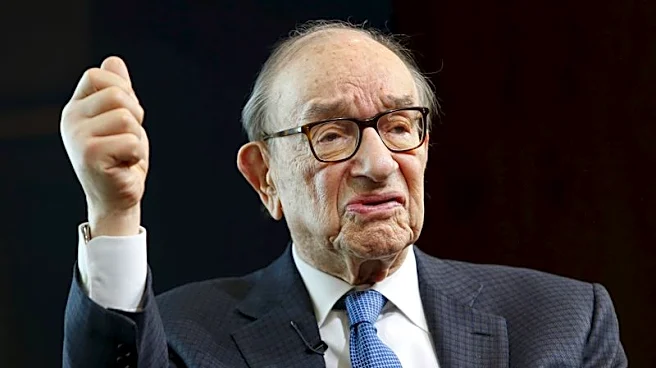
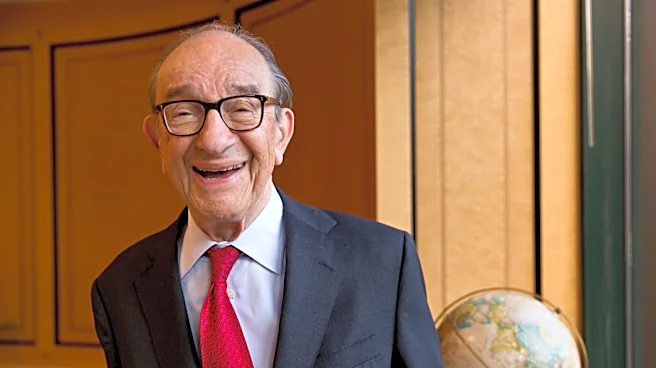
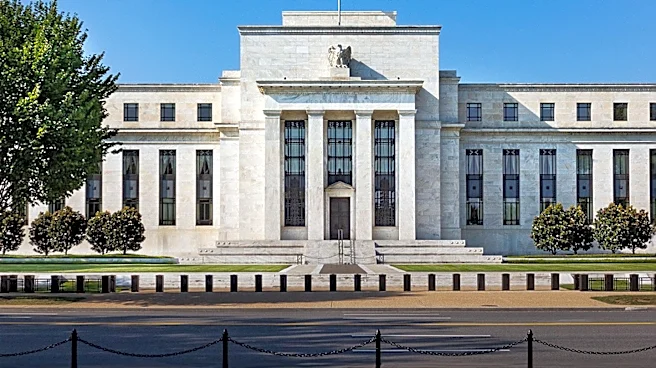
Alan Greenspan, who served as the Chair of the Federal Reserve from 1987 to 2006, has passed away at the age of 100. During his tenure, Greenspan was a pivotal figure in the U.S. economy, wielding significant influence over monetary policy and interest
rates. His leadership style and decisions, particularly his advocacy for deregulation, have been subjects of debate. Greenspan played a crucial role in the repeal of the Glass-Steagall Act, which separated investment and commercial banking, and opposed regulation of derivatives. These actions are often cited as contributing factors to the 2008 financial crisis. Despite his charm and intelligence, Greenspan's policies have been criticized for prioritizing the interests of Wall Street over broader economic stability.
Why It's Important?
Greenspan's legacy is significant as it highlights the impact of Federal Reserve policies on the U.S. economy and global financial systems. His tenure is often associated with the rise of deregulation, which many argue led to increased financial instability and the eventual 2008 crisis. The decisions made under his leadership have had long-lasting effects on economic policy and regulation debates. Understanding Greenspan's influence is crucial for evaluating current and future monetary policies, especially in the context of balancing market freedom with regulatory oversight to prevent economic downturns.
What's Next?
The passing of Alan Greenspan may prompt renewed discussions on the role of the Federal Reserve and the importance of regulatory frameworks in maintaining economic stability. As policymakers and economists reflect on his legacy, there may be calls for revisiting and potentially strengthening financial regulations to prevent future crises. The debate over the balance between market freedom and regulation is likely to continue, influencing future economic policies and the direction of the Federal Reserve under new leadership.
Beyond the Headlines
Greenspan's tenure underscores the ethical and philosophical debates surrounding economic policy, particularly the tension between free-market ideologies and the need for regulatory oversight. His influence on economic thought and policy continues to be a reference point for discussions on the responsibilities of central banks and the impact of their decisions on society. The lessons learned from his era may inform future leaders on the importance of considering the broader societal impacts of economic policies.