






What's Happening?
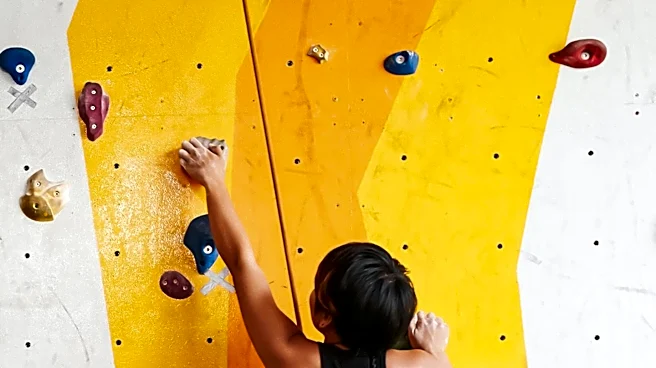
Indoor climbing, particularly bouldering, is experiencing a surge in popularity among students, who are drawn to its unique combination of physical exertion and mental problem-solving. Facilities like Movement Gym Mountain View offer various climbing options,
including bouldering walls, alongside traditional workout equipment and yoga. Students, such as junior Arunav Ramanathan, frequent these gyms, finding the sport to be a comprehensive workout that engages both the body and the brain. The appeal lies in framing workouts as 'problems to solve,' which requires continuous multitasking and strategic thinking. Many participants highlight the social aspect and the confidence-building nature of tackling challenges within the sport. The cost for students at Movement Gym includes a $30 day pass, $6 for shoe rentals, and a monthly membership of $121.
Why It's Important?
The growing interest in indoor climbing among students signifies a shift in recreational fitness trends, emphasizing activities that offer both physical and cognitive engagement. This trend is important for the U.S. fitness industry, as it points to a demand for more interactive and mentally stimulating workout environments beyond traditional gyms. For educational institutions and student wellness programs, the sport presents an opportunity to promote holistic health, as it has been shown to improve confidence and problem-solving skills, which are transferable to academic and personal challenges. The community aspect of climbing gyms also addresses social well-being, providing a space for connection and shared achievement. This could lead to increased investment in climbing facilities and programs across the country, catering to a demographic seeking diverse and engaging fitness options.
What's Next?
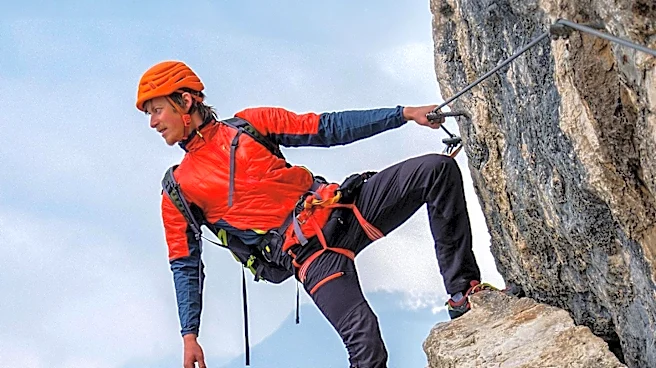
As indoor climbing continues to gain traction, it is likely that more climbing gyms will emerge, particularly in areas with a high student population. This expansion could lead to increased accessibility and potentially more affordable options for students. Universities and colleges might also integrate climbing programs into their recreation and wellness centers, following the example of institutions like the Stanford Recreation and Wellness Center. The sport's emphasis on problem-solving and mental resilience could also see it being explored as a tool for youth development programs. Furthermore, the transition from indoor to outdoor climbing, as noted by experienced climbers, suggests a potential increase in demand for guided outdoor climbing experiences and related gear, impacting the outdoor recreation market.
Beyond the Headlines
The rise of indoor climbing reflects a broader cultural shift towards activities that offer a sense of accomplishment and personal growth, moving beyond purely aesthetic or competitive motivations. The sport's inherent risk, particularly in outdoor settings, introduces an element of calculated decision-making and self-reliance that is often absent in other recreational activities. This can foster a deeper appreciation for planning and risk assessment. The strong community aspect within climbing gyms also highlights a desire for authentic social interaction in an increasingly digital world. Ethically, the sport encourages a 'growth mindset,' where the focus is on the process of working towards a goal rather than solely on achieving it, which can have profound psychological benefits for participants.