








What's Happening?
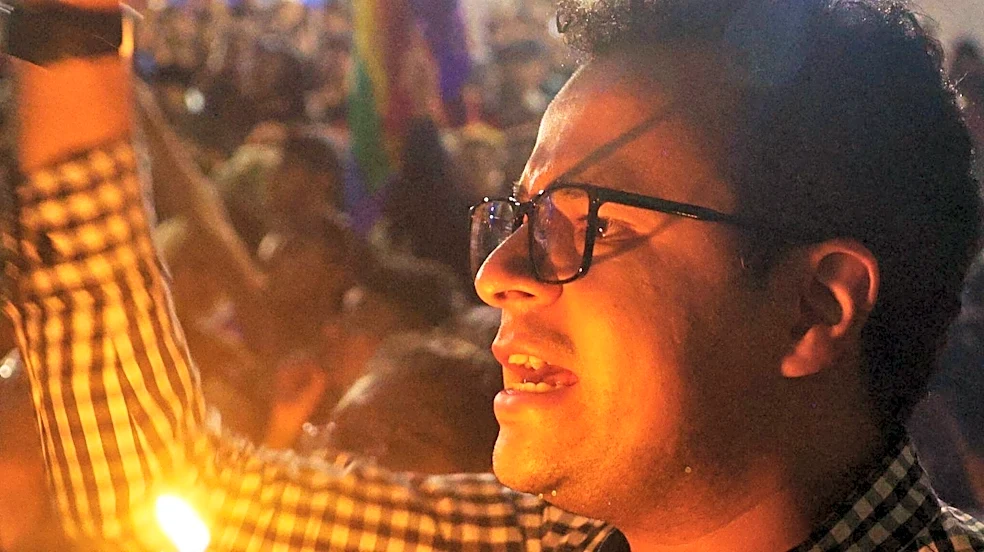
Charles 'Charlie' Castro, a veterinary technician, has shared his personal journey of coming out, family dynamics, and self-acceptance. Castro recounted living a 'double life' during his teenage years, being openly gay with friends and at school but closeted
at home due to fears related to his religious upbringing and a 'macho father.' He came out to his mother at 16 or 17, finding relief as she had already suspected. However, coming out to his father was a more challenging experience, as his father had expressed non-acceptance and religious condemnation of homosexuality. This led to a strained relationship that never progressed after his coming out, though he maintained contact until recently. Castro emphasizes the importance of self-love and living authentically, despite the difficulties he faced with his father. His story is part of a series by Michael Oboza, 'Give Them Their Flowers,' which profiles everyday individuals within the LGBTQ community.
Why It's Important?
Castro's narrative highlights the ongoing challenges faced by individuals within the LGBTQ community, particularly concerning family acceptance and the impact of religious beliefs on personal identity. His experience underscores the emotional toll of living a closeted life and the courage required to embrace one's true self. The story also sheds light on the varying reactions within families to a child's coming out, from understanding to outright rejection, and the long-term consequences these reactions can have on familial relationships. By sharing his journey, Castro contributes to broader conversations about LGBTQ visibility, acceptance, and the importance of supportive communities. His message of self-respect and understanding for others' unique life paths resonates as a call for empathy and inclusivity within society.
What's Next?
The 'Give Them Their Flowers' series, which features Castro's story, will likely continue to highlight diverse experiences within the LGBTQ community, offering platforms for individuals to share their journeys. Such narratives contribute to ongoing dialogue and advocacy efforts for LGBTQ rights and acceptance. For individuals facing similar challenges, stories like Castro's can serve as a source of inspiration and validation, encouraging them to seek support and live authentically. Community organizations and mental health professionals may use such personal accounts to inform their outreach and support programs, aiming to foster environments where individuals feel safe and accepted. The continued sharing of these personal stories is crucial for promoting understanding and reducing stigma.
Beyond the Headlines
Castro's story delves into the deeper societal and cultural implications of identity, religion, and family dynamics. It illustrates the internal conflict many LGBTQ individuals face when their personal identity clashes with deeply ingrained family or religious values. The narrative touches upon the psychological impact of parental disapproval and the resilience required to navigate such complex personal landscapes. Furthermore, it subtly critiques the societal pressures that often force individuals into 'double lives,' emphasizing the need for greater societal acceptance to alleviate such burdens. His call for empathy and understanding extends beyond the LGBTQ community, advocating for a broader humanistic approach to interpersonal relationships, where individual experiences are respected and validated, regardless of background or identity.