





What's Happening?
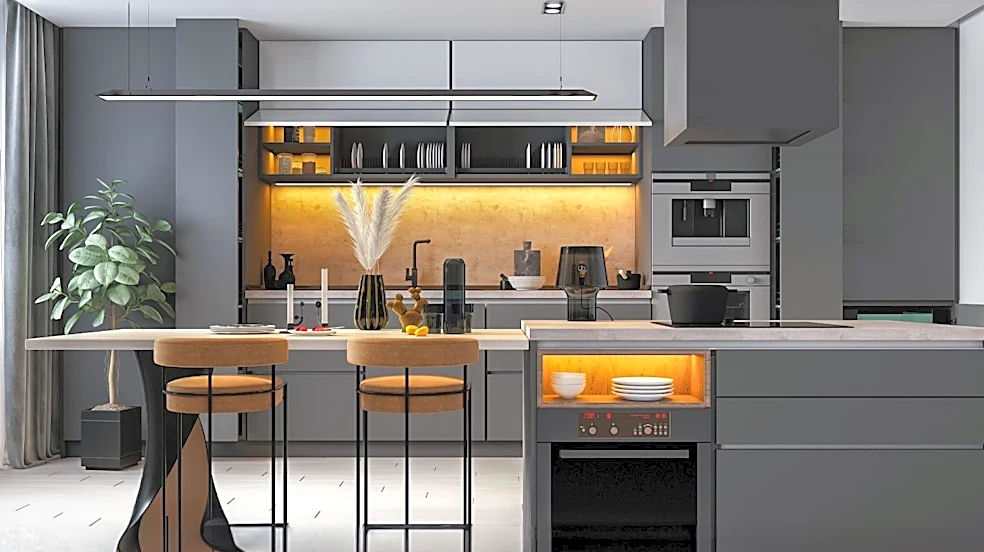
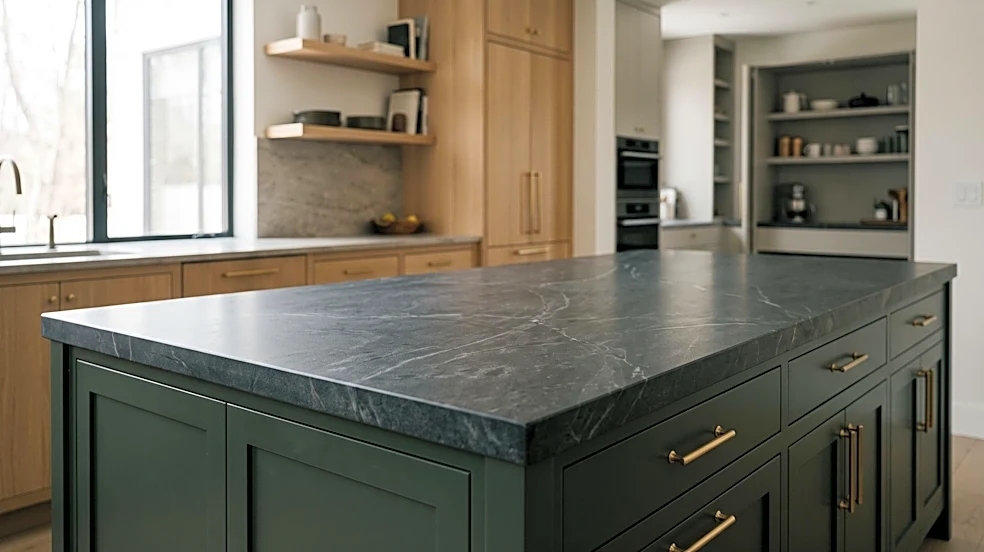
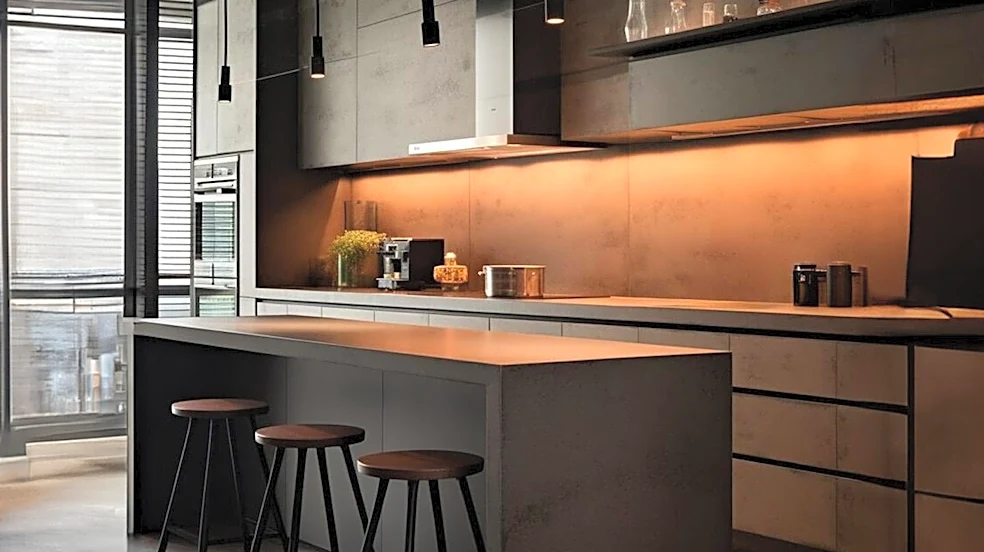
Kitchen design is undergoing a significant shift, moving away from the 'one-butt kitchen' concept to embrace more spacious, multi-functional culinary spaces. According to Seth Ballard of Ballard + Menusa Architecture, kitchens are no longer just utilitarian
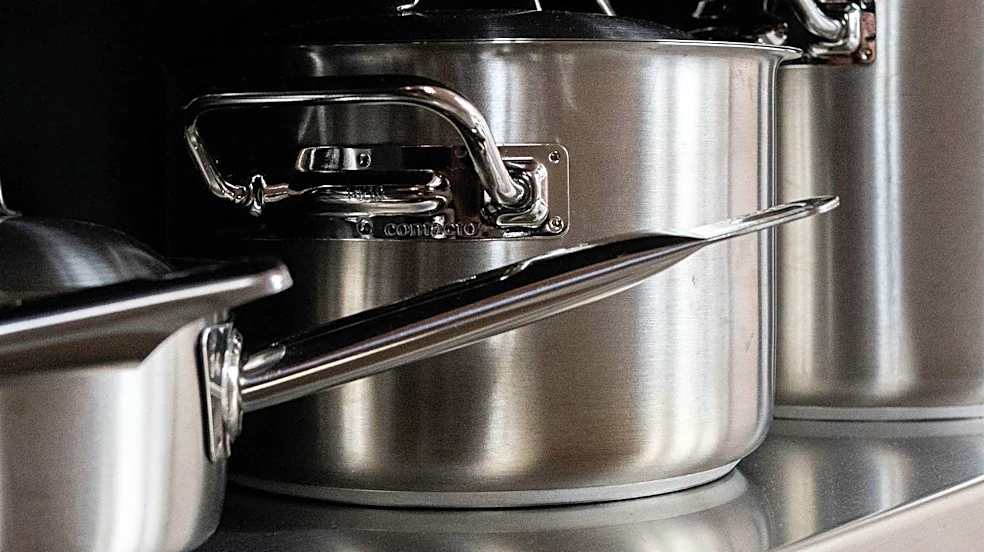
areas but have become the 'heart of the home,' serving as central gathering points for families and friends. Grace Rosenstein of Atelier Roan emphasizes that this evolution necessitates designs that accommodate multiple people for cooking, socializing, and daily connection. Designers are focusing on creating intentional zones for prep, cooking, and cleanup, and integrating features like islands and separate dining areas to enhance functionality and social interaction. A key aspect of this trend, as highlighted by Rosenstein, is decluttering kitchenware, prioritizing 'quality over quantity' to reclaim valuable space and improve circulation.
Why It's Important?
This trend reflects a broader societal shift towards home-centric living and the increasing importance of shared experiences within the household. For U.S. industries, this means a growing demand for larger kitchen layouts, versatile appliances, and high-quality, durable kitchenware. Real estate developers and home builders will need to adapt their designs to meet consumer expectations for more expansive and interactive kitchen spaces, potentially influencing housing market trends and construction practices. Manufacturers of kitchen appliances and home goods will see increased demand for products that support multi-person use and contribute to a decluttered, efficient environment. This focus on quality over quantity also suggests a move away from disposable consumerism, impacting retail strategies and product development in the home goods sector.
What's Next?
The emphasis on multi-person kitchens is likely to continue shaping residential architecture and interior design in the coming years. We can expect to see more innovative solutions for maximizing kitchen space, such as modular islands, integrated storage, and flexible layouts that can adapt to various activities. Appliance manufacturers may develop more compact yet powerful units, or multi-functional appliances that reduce the need for numerous single-purpose items. Homeowners will increasingly seek professional design services to optimize their kitchen spaces for both functionality and social engagement. Furthermore, the 'quality over quantity' mantra could lead to a resurgence in artisanal and durable kitchen products, influencing consumer purchasing habits and brand loyalty.
Beyond the Headlines
Beyond the immediate design and market implications, this trend touches upon deeper cultural values. The kitchen's transformation into a central hub for family and social life underscores a desire for connection and shared experiences in an increasingly digital world. It reflects a longing for tangible interactions and the comfort of home. The decluttering aspect, prioritizing quality over quantity, also aligns with growing minimalist movements and a conscious effort to reduce waste and consumer excess. This shift could foster a greater appreciation for craftsmanship and sustainability in household items, encouraging a more thoughtful approach to consumption and home management. It also highlights the evolving role of the home as a sanctuary and a space for personal well-being.