



What's Happening?
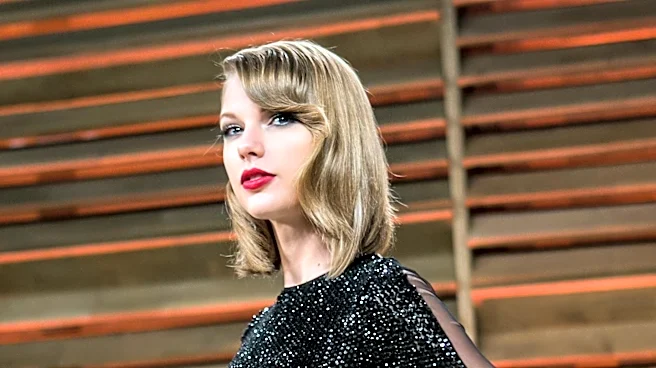
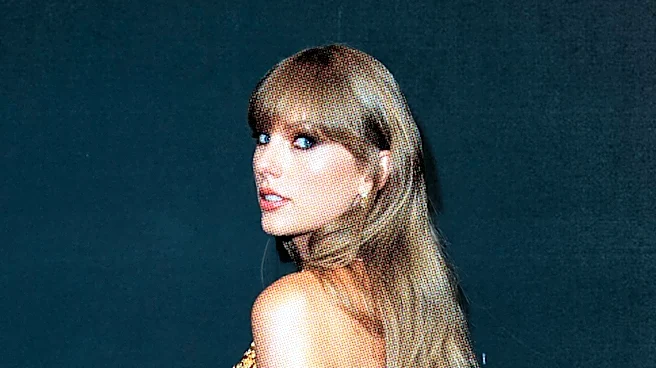
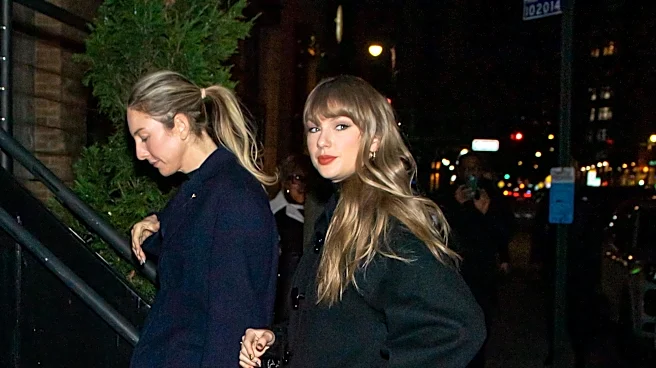
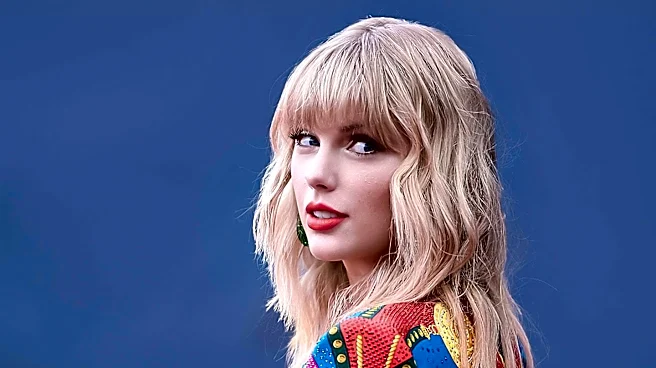
Chloe Malle, Vogue's head of editorial content, is reportedly questioning the recent 'The Mastermind' profile on Taylor Swift published by Vanity Fair. Insiders suggest Malle believes there was 'nothing there' in the article, contributing to a sense of confusion
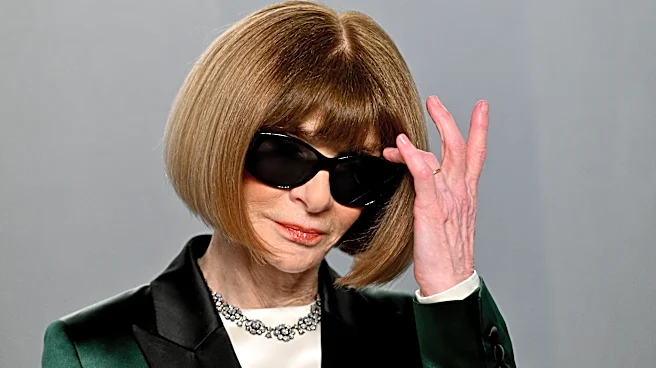
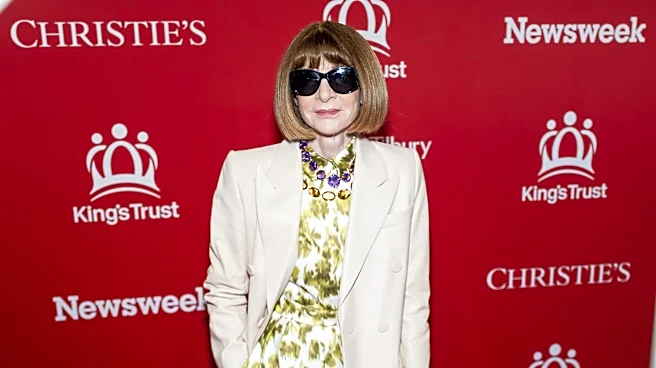
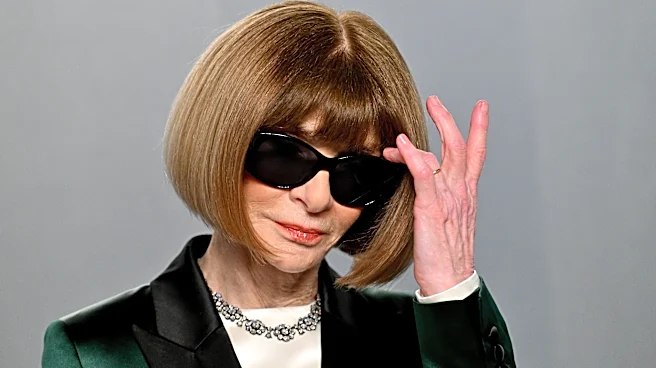
within Condé Nast regarding Vanity Fair's decision to target the pop superstar. This internal dissent comes as Anna Wintour, another prominent figure at Condé Nast, reportedly seeks to distance herself from the controversy. The article has allegedly caused significant internal shockwaves, with some sources indicating that Vogue staff are baffled by the editorial choice. The situation is particularly sensitive for Vogue due to Swift's past collaborations, including major cover features and her association with the Met Gala.
Why It's Important?
This internal disagreement within Condé Nast highlights potential rifts in editorial strategy and brand management across its publications. The reported concern from a high-ranking Vogue editor like Chloe Malle underscores the perceived risk of alienating a major celebrity like Taylor Swift, who holds significant cultural and commercial influence. For Condé Nast, a perceived 'burning of bridges' with Swift could jeopardize future collaborations, access to high-profile events, and potentially impact readership or advertising revenue, especially given Swift's massive fan base. The incident also raises questions about editorial independence versus corporate synergy within a large media conglomerate, and how different brands under the same umbrella navigate celebrity relationships and controversial content.
What's Next?
The immediate aftermath could involve internal discussions within Condé Nast regarding editorial guidelines and celebrity relations, particularly concerning high-profile figures like Taylor Swift. While Vanity Fair editorial director Mark Guiducci reportedly stands by the piece, citing increased clicks and subscriptions, the long-term impact on Condé Nast's relationship with Swift and her team remains to be seen. Future access for Vogue to Swift for covers or events like the Met Gala could be affected. The situation may also prompt other media outlets to re-evaluate their approach to celebrity profiles, weighing the potential for viral attention against the risk of alienating influential figures and their fan bases.
Beyond the Headlines
This incident touches upon the evolving dynamics between celebrity culture, media scrutiny, and corporate interests. The reported internal conflict at Condé Nast suggests a tension between the pursuit of 'daring' and attention-grabbing content, as reportedly favored by Vanity Fair's editorial director, and the maintenance of long-standing, mutually beneficial relationships with influential figures, which is crucial for publications like Vogue. It also raises ethical considerations about the justification for 'takedown' pieces on celebrities, especially when internal staff question the substance of the critique. The broader implication is a potential shift in how media conglomerates manage their diverse portfolio of brands to avoid internal friction and external backlash in an increasingly interconnected and celebrity-driven media landscape.