



What's Happening?
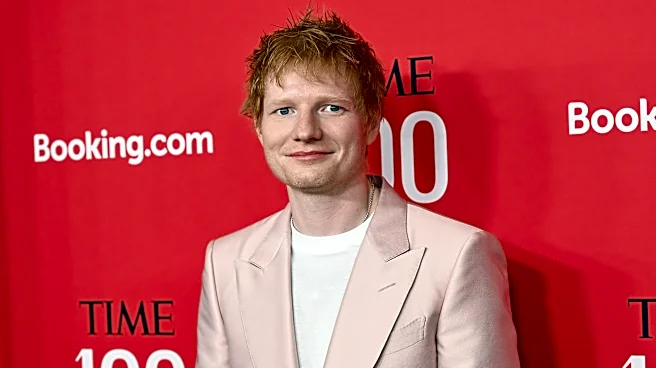
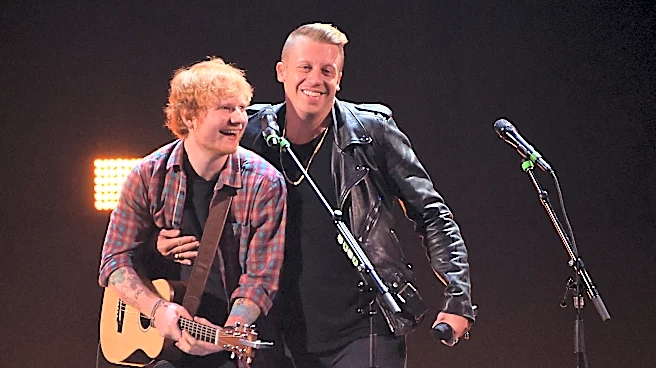
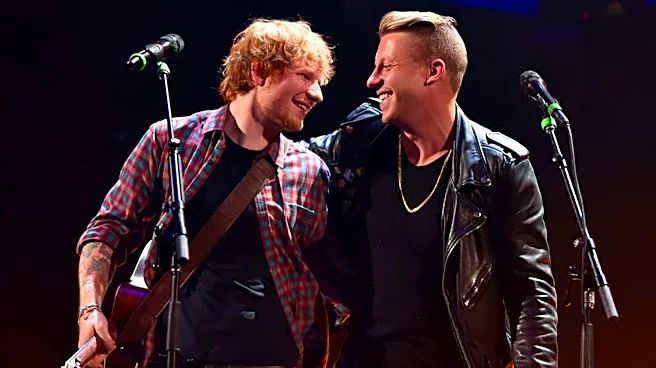
Ed Sheeran has publicly clarified his position on the ongoing conflict in Gaza and expressed concerns regarding venues pre-approving performer content. Speaking ahead of a performance in Philadelphia, Sheeran stated he never intended to be an 'activist
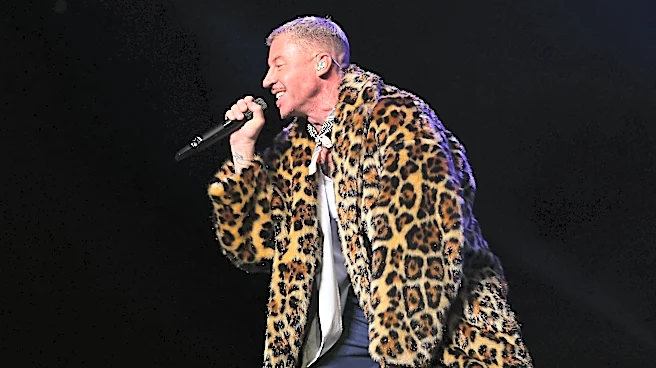
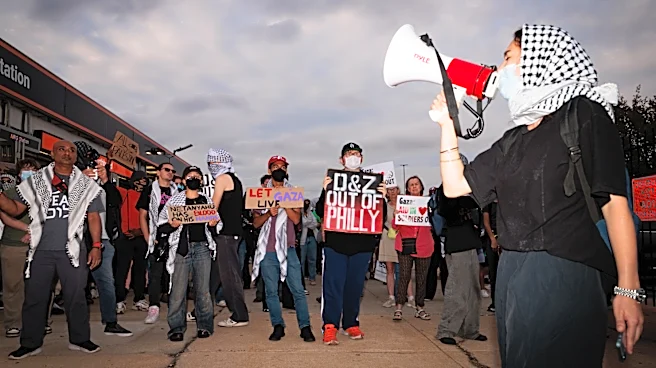
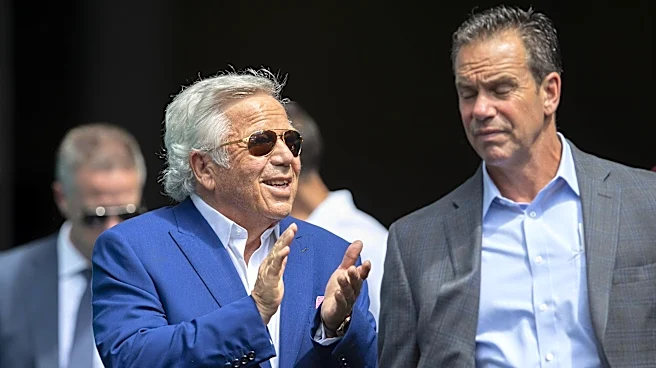
musician' but found himself embroiled in a debate about freedom of speech and complex political issues. This comes after Macklemore was removed from Sheeran's tour, reportedly due to pressure from New England Patriots and Gillette Stadium owner Robert Kraft over Macklemore's pro-Palestinian comments and performance content. Sheeran acknowledged the 'horrific' events of October 7 in Israel and at the Nova Music Festival, while also describing the situation in Gaza as 'catastrophic, unjustifiable, and disproportionate,' and highlighting the 'systemic injustice' in the West Bank. He emphasized his commitment to making his concerts a safe space for everyone, regardless of differing views.
Why It's Important?
This situation highlights the increasing pressure on artists to take public stances on geopolitical issues and the potential for venues and powerful figures to influence artistic expression. The removal of Macklemore from the tour, and the subsequent resignations of Sheeran's backing band and other support acts, underscore the significant impact such controversies can have on an artist's career and touring operations. Sheeran's comments about venues pre-approving content raise broader questions about censorship and artistic freedom within the entertainment industry, particularly in the 'free world.' The involvement of a prominent sports team owner like Robert Kraft in a decision related to concert content also blurs the lines between sports, entertainment, and political advocacy, indicating a growing trend of influential individuals using their platforms to shape public discourse.
What's Next?
Sheeran indicated he is actively engaging with various individuals to determine how he can contribute to aiding victims of the conflict, suggesting potential future philanthropic or advocacy efforts. The debate surrounding artistic freedom and venue control is likely to continue, potentially leading to more artists and industry professionals scrutinizing contractual agreements and venue policies. The incident could also prompt further discussions within the music industry about the responsibilities of artists and venues when political topics intersect with entertainment. It remains to be seen if other artists will face similar pressures or if this event will lead to a more unified stance from the music community against perceived censorship.
Beyond the Headlines
The controversy surrounding Ed Sheeran and Macklemore delves into the complex interplay between artistic expression, corporate influence, and geopolitical sensitivities. It raises ethical questions about the extent to which artists should be compelled to align with certain political narratives or face professional repercussions. The incident also reflects a broader societal trend where public figures are increasingly expected to use their platforms for social and political commentary, often navigating a landscape fraught with polarized opinions. The notion of a 'safe space' at concerts, as articulated by Sheeran, becomes particularly challenging when artists themselves become subjects of political contention, forcing a re-evaluation of what constitutes neutrality or inclusivity in public performance spaces. This event could contribute to a redefinition of artistic autonomy in an era of heightened political awareness and digital scrutiny.