




What's Happening?
Home organization experts are providing practical advice to help individuals make their living spaces feel larger and more serene by reducing clutter. According to home content creator Caroline Winkler, cutting down on visual clutter is the quickest way
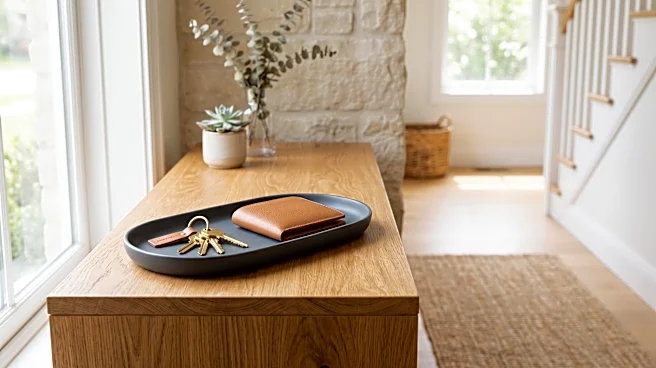
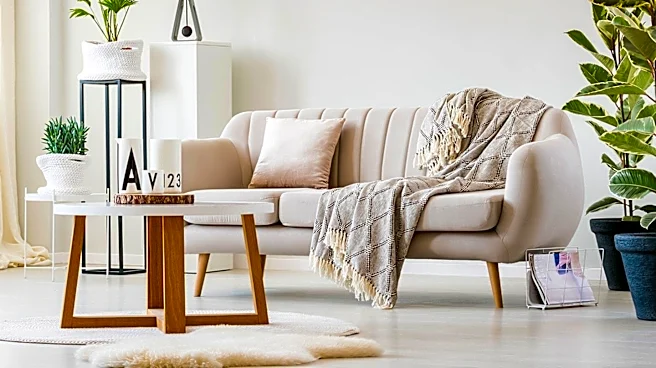
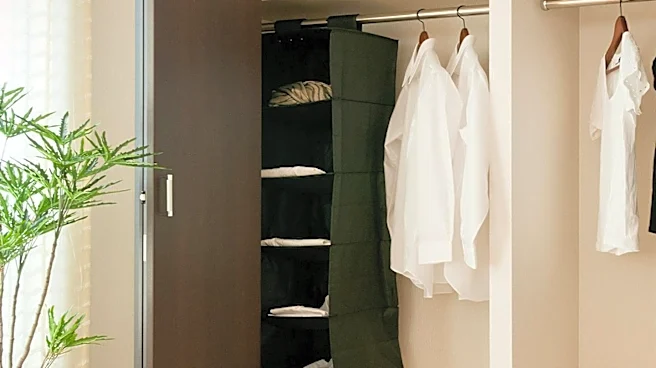
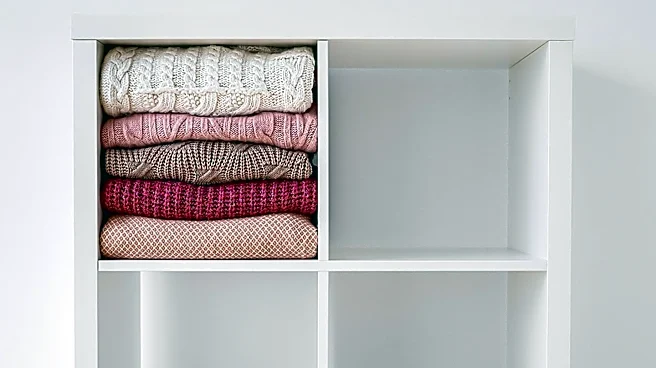
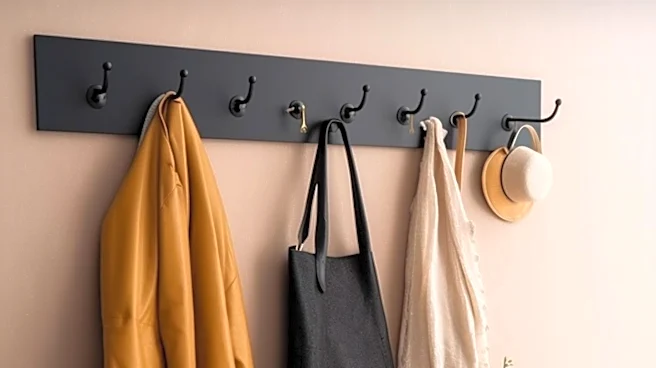
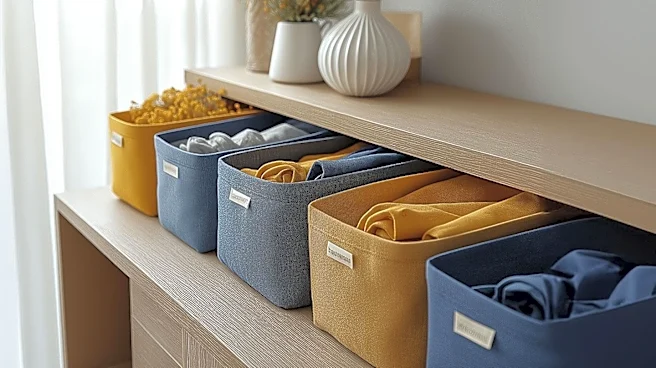
to achieve this, as excessive items can make even a decent-sized space feel overwhelming. Cathy Orr, cofounder of The Uncluttered Life, suggests removing one unnecessary piece of furniture from each room, prioritizing pieces with legs to show space underneath and maintaining distance between remaining items. Martha Carol Stewart, CEO of Chaos Organizing, recommends creating a 'drop zone' near the entrance for everyday items like keys and mail to prevent them from accumulating on kitchen counters. Additionally, Winkler advises opting for concealed storage over open shelving to reduce visual business and create a calmer, more spacious appearance. These strategies aim to improve the flow and functionality of a home without requiring major structural changes.
Why It's Important?
The emphasis on decluttering and strategic organization holds significant importance for U.S. households, impacting both individual well-being and the perceived value of living spaces. In an era where many Americans are spending more time at home, the psychological benefits of a tidy and spacious environment are considerable, contributing to reduced stress and increased feelings of calm. For homeowners, these tips offer a cost-effective alternative to renovations, allowing them to maximize their existing space. Real estate professionals and interior designers may also find these insights valuable for staging homes, as a decluttered and organized appearance can significantly enhance a property's appeal to potential buyers. The advice also highlights a growing trend towards minimalism and intentional living, influencing consumer choices in furniture and storage solutions. Ultimately, these expert recommendations empower individuals to create more functional and aesthetically pleasing homes, fostering a better quality of life.
What's Next?
As awareness of the benefits of home organization grows, it is likely that more individuals will seek out and implement these decluttering strategies. This could lead to an increased demand for professional organizing services, as well as a rise in sales of concealed storage solutions, decorative baskets, and other organizational products. Retailers and home goods companies may adapt by offering more versatile and aesthetically pleasing storage options that cater to the desire for a less cluttered environment. Furthermore, content creators and lifestyle influencers are expected to continue sharing and popularizing these tips, reinforcing the cultural shift towards intentional home design. The focus on creating 'drop zones' and keeping countertops clear suggests a move towards more systematic habits in daily living, potentially influencing how new homes are designed and how existing spaces are utilized to support these organizational practices.
Beyond the Headlines
Beyond the immediate benefits of a tidier home, the emphasis on decluttering touches upon deeper psychological and cultural implications. The concept of 'visual clutter' and its impact on mental well-being highlights the subtle ways our physical environment influences our cognitive state, suggesting a link between external order and internal calm. This trend also reflects a broader societal move away from excessive consumerism towards more mindful consumption and appreciation of space. The advice to remove unnecessary furniture and create clear pathways can be seen as a metaphor for simplifying one's life, encouraging individuals to critically evaluate what truly serves a purpose in their environment. Ethically, this movement promotes sustainability by encouraging people to make the most of what they have rather than constantly acquiring new items. Culturally, it challenges the notion that more possessions equate to more happiness, instead advocating for a curated and intentional living experience that prioritizes peace and functionality.