


What's Happening?
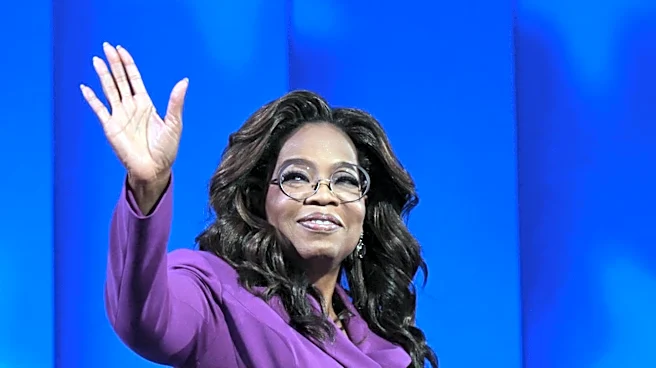
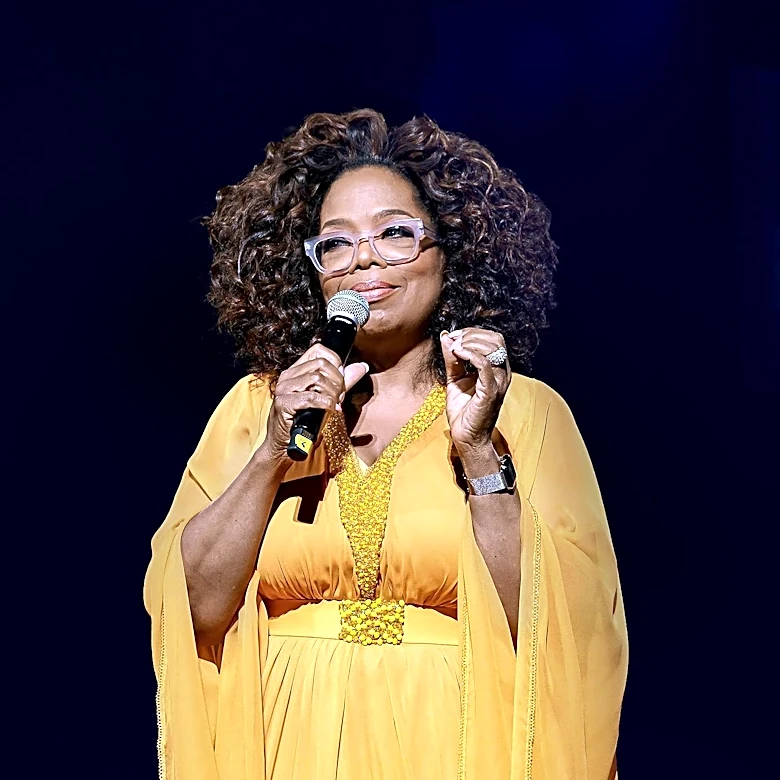
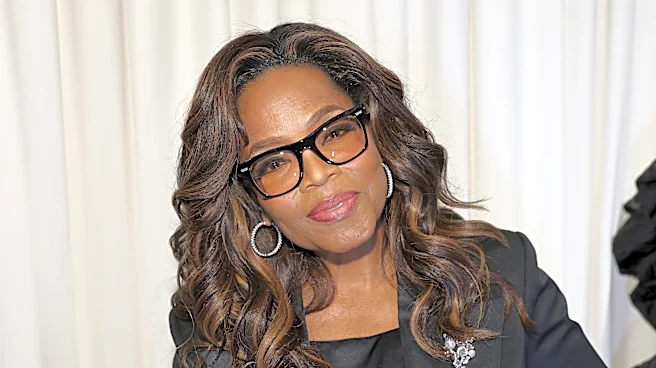
Megyn Kelly has voiced strong criticism regarding Oprah Winfrey's recent appearance on 'The Mel Robbins Podcast,' where Winfrey discussed her childhood experiences. Kelly, during her show, described Winfrey's emotional responses during the interview as 'acting,'
suggesting they were not genuine. She specifically pointed to a moment early in the interview where Winfrey appeared to become emotional while discussing her accomplishments, only to quickly regain her composure without visible tears. Kelly, joined by Maureen Callahan, host of MK Media’s The Nerve, characterized Winfrey's behavior as 'crocodile tears' and a lack of humility. Kelly stated that she had an 'aha moment,' realizing she felt 'defrauded' and 'misled' by Winfrey over the years, comparing her delivery to that of a 'televangelist' or 'snake oil salesman.'
Why It's Important?
Megyn Kelly's critique is important as it challenges the authenticity of public figures' emotional displays, particularly in the context of personal storytelling on popular platforms. This incident highlights the ongoing scrutiny faced by media personalities and the public's perception of their sincerity. For the media industry, it underscores the potential for differing interpretations of interviews and the impact of such critiques on an individual's public image. It also reflects a broader skepticism among some audiences towards what they perceive as performative emotionality in media. This commentary could influence how audiences engage with and evaluate celebrity interviews, potentially leading to a more critical consumption of content that relies heavily on personal narratives and emotional appeals.
What's Next?
The criticism from Megyn Kelly is likely to fuel further debate and discussion across various media platforms regarding Oprah Winfrey's interview and her public persona. It may lead to increased scrutiny of Winfrey's past and future appearances, with audiences and commentators potentially re-evaluating her emotional expressions. This incident could also spark conversations about the nature of authenticity in media and the expectations placed on public figures when sharing personal stories. It remains to be seen if Winfrey or 'The Mel Robbins Podcast' will address Kelly's comments directly, or if the controversy will simply become another talking point in the ongoing discourse surrounding celebrity interviews and media ethics.
Beyond the Headlines
Beyond the immediate controversy, this event touches upon deeper themes of media literacy and the critical consumption of content. Kelly's assertion that she felt 'defrauded' by Winfrey speaks to the powerful influence media figures can have on public perception and the potential for disillusionment when that perception is challenged. It also raises questions about the role of emotional performance in public discourse and whether audiences are becoming more discerning about what they perceive as genuine. This incident could contribute to a broader trend of skepticism towards celebrity narratives, encouraging audiences to look beyond surface-level emotional displays and critically analyze the underlying messages and intentions. It also highlights the competitive and often critical nature of the media landscape, where one prominent figure's actions can quickly become the subject of another's commentary.