


What's Happening?
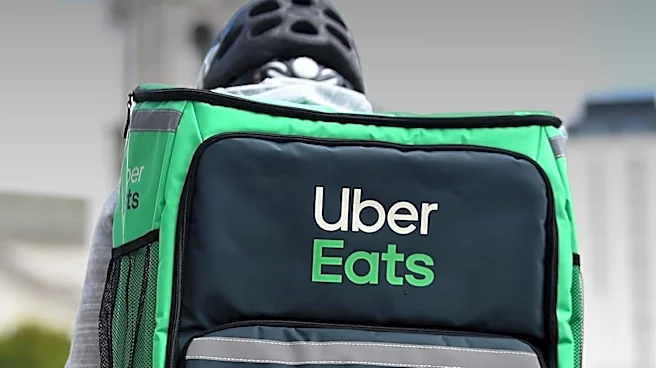
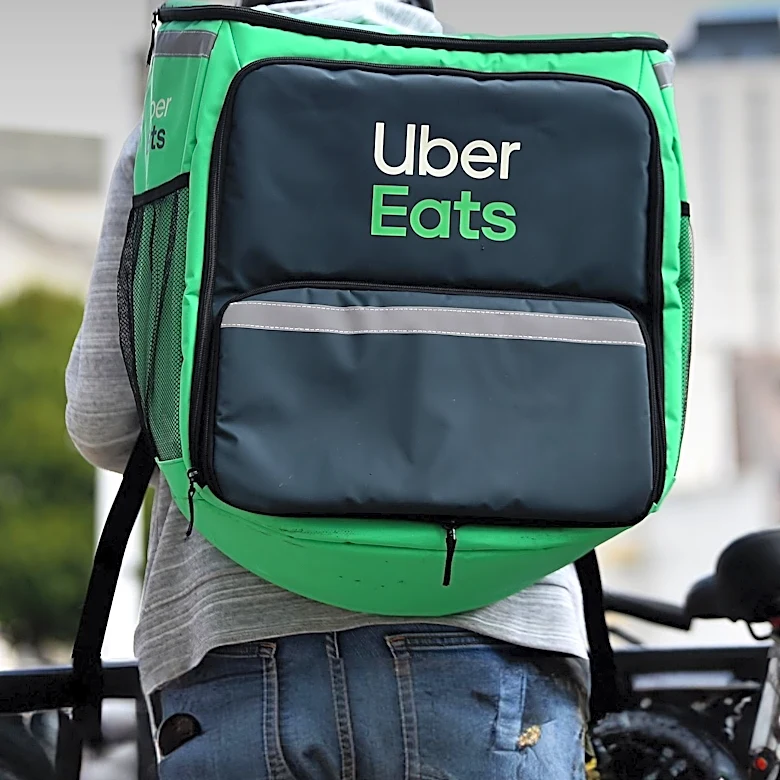
Uber Technologies, Inc. (NYSE: UBER) has announced a new partnership with AutoParts.com, integrating auto parts delivery into the Uber Eats platform. This collaboration allows customers across the U.S. to order automotive essentials from nearly 7,000
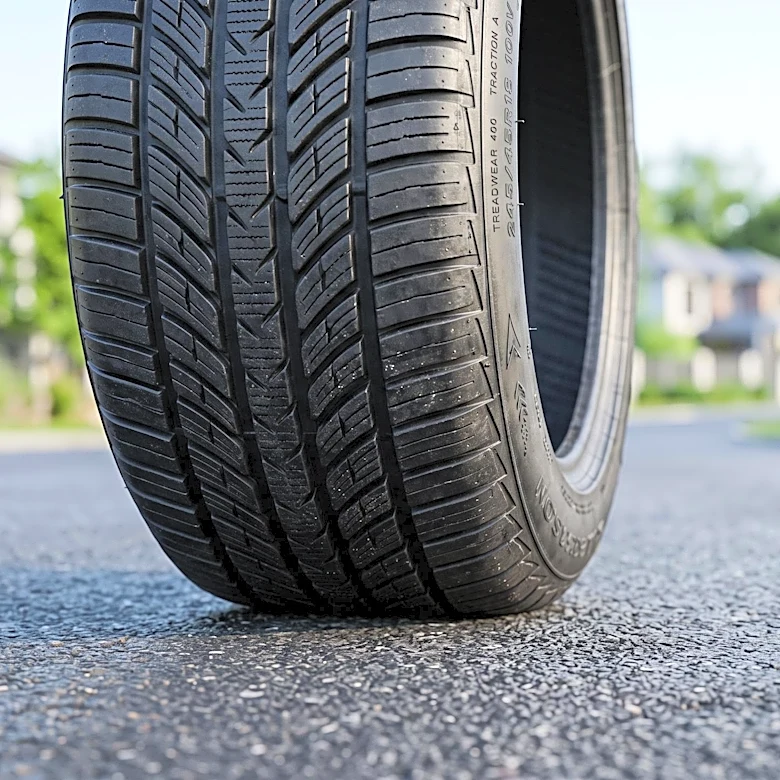
participating locations for on-demand or scheduled delivery. The initiative marks AutoParts.com as the first auto parts retailer to join Uber Eats, leveraging its marketplace and fulfillment network which connects inventory from distributors, independent suppliers, and retail locations nationwide. This expansion aims to provide a fast and convenient way for customers to receive parts for unexpected repairs or routine maintenance without needing to make an extra trip. Prashant Garg, Head of North America, Uber Eats, stated that auto parts are a natural extension of their existing selection, which already includes groceries, beauty staples, electronics, and home improvement essentials. Rich Keller, Founder & CEO of AutoParts.com, emphasized that the partnership makes the process of obtaining auto parts easier and more convenient, especially when quick delivery is crucial.
Why It's Important?
This strategic move by Uber signifies a continued diversification of its delivery services beyond food, tapping into the substantial automotive aftermarket. By offering auto parts delivery, Uber aims to capture a new segment of the retail market, potentially increasing its user base and delivery volume. For consumers, the partnership offers enhanced convenience, particularly in urgent situations where a vehicle repair part is immediately needed. This could reduce downtime for vehicles and improve overall customer satisfaction. For AutoParts.com and its network of suppliers, it provides access to Uber's extensive delivery infrastructure and customer reach, potentially boosting sales and market presence. The initiative also highlights Uber's ambition to become a comprehensive logistics platform, moving various goods through cities and creating new revenue streams beyond its traditional ride-sharing and food delivery services. This expansion could set a precedent for other on-demand delivery platforms to explore similar specialized retail partnerships.
What's Next?
To celebrate the launch, Uber Eats is offering a promotional discount of 20% off AutoParts.com orders of $60 or more, up to $20 off, for a limited time. Uber One members will continue to receive $0 Delivery Fee on eligible orders and other exclusive savings. The success of this partnership will likely be measured by customer adoption rates and the efficiency of the delivery logistics for auto parts. If successful, Uber may seek to expand this model to include more specialized retail categories or increase the number of participating AutoParts.com locations. The integration of such diverse offerings could further solidify Uber's position as a dominant player in the on-demand delivery market, potentially influencing how other retailers approach last-mile delivery solutions for niche products. The company's ability to seamlessly integrate and manage the delivery of varied product types will be crucial for future growth.
Beyond the Headlines
The expansion into auto parts delivery reflects a broader trend in the on-demand economy towards hyper-convenience and instant gratification. This development could reshape consumer expectations for how quickly and easily they can acquire essential goods, potentially putting pressure on traditional retail models that rely on in-store pickups or slower shipping methods. Furthermore, it underscores the increasing importance of robust logistics networks for businesses looking to remain competitive. Uber's ability to leverage its existing driver network for a wider array of products demonstrates the scalability and adaptability of its platform. This could also lead to new opportunities for gig economy workers, as the demand for specialized deliveries grows. The ethical implications of such rapid expansion include ensuring fair compensation for drivers handling potentially heavier or more complex deliveries, and managing the environmental impact of increased delivery traffic.