

What's Happening?
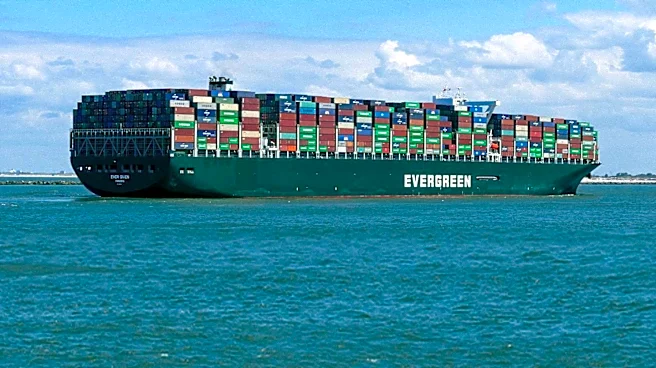
The maritime industry is experiencing a shift as new 'invisible gates' emerge, complicating the once straightforward nature of sea navigation. These gates are formed by geopolitical tensions, environmental regulations, and technological advancements.
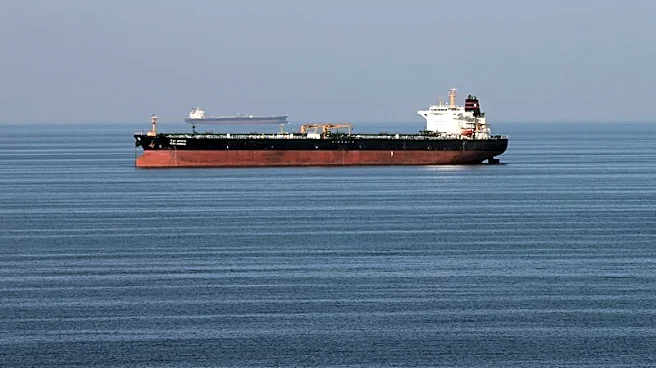
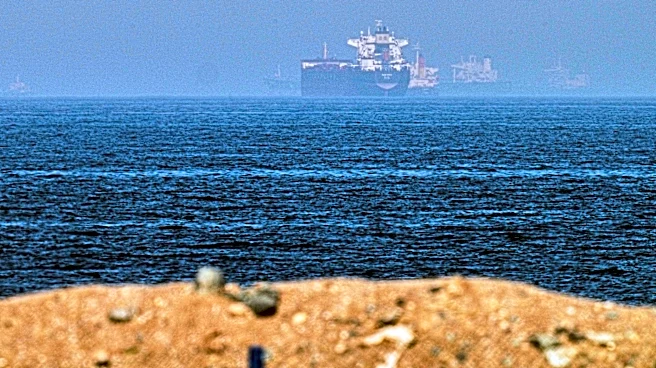
The Strait of Hormuz, a critical energy corridor, is under negotiation by Iran and Oman to manage traffic through separate routes, highlighting the political leverage of such passages. Similarly, the Red Sea faces renewed threats from Houthi attacks, affecting commercial viability despite legal openness. Climate change impacts, such as those affecting the Panama Canal, add another layer of complexity, with water scarcity influencing operations. Additionally, European carbon pricing is prompting shipping companies to restructure routes, impacting connectivity at EU ports. The International Maritime Organization (IMO) is negotiating a Net-Zero Framework, which could further influence shipping economics through environmental standards.
Why It's Important?
These developments signify a growing complexity in global shipping logistics, affecting economic and political dynamics. The introduction of new regulatory and environmental constraints could lead to increased operational costs and strategic shifts in shipping routes. This has implications for global trade, as shipping companies may need to adapt to avoid geopolitical hotspots and comply with environmental regulations. The convergence of these factors could challenge the industry's ability to predict freight rates accurately, impacting profitability. Stakeholders, including shipping companies, port authorities, and governments, must navigate these changes to maintain competitive advantage and ensure the security and efficiency of maritime trade routes.
What's Next?
The maritime industry may see further regulatory developments as the IMO continues to negotiate its Net-Zero Framework. Shipping companies might need to invest in technology and infrastructure to comply with new environmental standards and optimize routes. Geopolitical tensions, such as those in the Strait of Hormuz and the Red Sea, could lead to increased naval presence and security measures. Additionally, the impact of climate change on key waterways like the Panama Canal may necessitate adaptive strategies to manage water resources effectively. Stakeholders will likely engage in discussions to balance economic interests with environmental and security concerns.
Beyond the Headlines
The increasing complexity of maritime navigation raises ethical and legal questions about the balance between national sovereignty and global trade rights. The shift towards more regulated and environmentally conscious shipping practices could drive innovation in sustainable maritime technologies. However, it also poses challenges for smaller shipping companies that may struggle to meet new compliance requirements. The industry's reliance on advanced predictive models for freight rates highlights the growing role of technology in decision-making, raising questions about the potential for over-reliance on artificial intelligence and the need for human oversight.