




What's Happening?
Chef Yasuhiko Mitani, known for his exclusive Tokyo sushi counter with a four-year waitlist, has opened his first U.S. restaurant, Mitani New York, in Midtown Manhattan's Lotte New York Palace hotel. While his Tokyo establishment is famously inaccessible
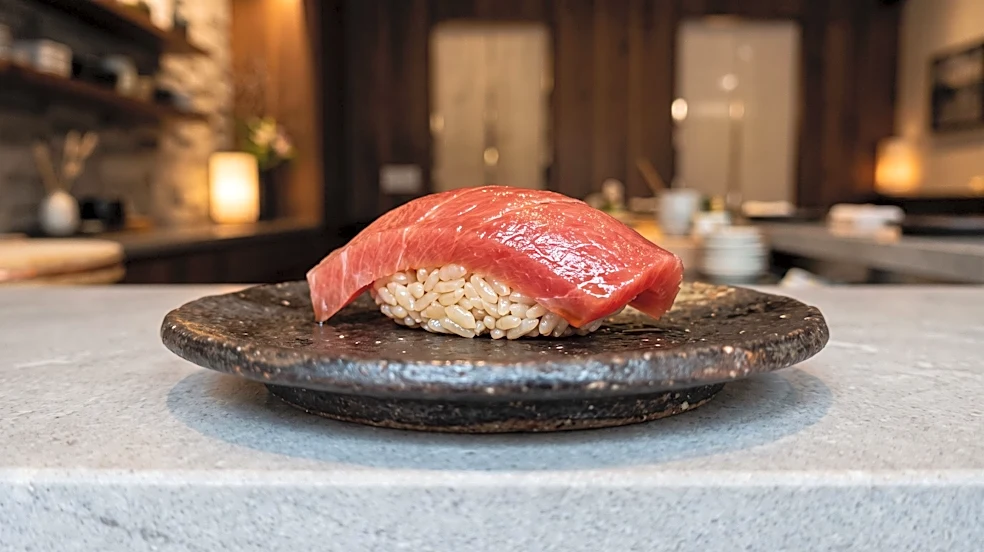
and requires an introduction, securing a reservation at the New York location is considerably easier, primarily through the Tock booking platform. The seasonal dinner tasting menu at Mitani New York is priced at $700, including tip, and typically includes around six appetizers and 10 to 12 pieces of sushi. The menu focuses entirely on Japanese seafood sourced from fish-market auctions. A distinctive feature of Mitani's approach is 'Mariage,' which involves pairing courses with a selection of wines, sake, and tea. The seafood used in New York is flown from Haneda Airport to the restaurant within 24 hours. Mitani also meticulously adjusts the temperature of the fish and shari (seasoned rice) for each piece of nigiri, creating a 'temperature gradient' to enhance the dining experience.
Why It's Important?
The opening of Mitani New York signifies a significant expansion of high-end Japanese culinary experiences into the U.S. market, particularly in New York City. This move impacts the U.S. fine dining industry by introducing a new benchmark for luxury sushi and beverage pairings, potentially elevating consumer expectations and competitive standards. For U.S. economic stakeholders in the hospitality sector, it represents an investment in a high-value segment, attracting affluent diners and potentially boosting tourism. The restaurant's unique 'Mariage' concept, integrating rare and expensive wines with sushi, could influence beverage programs in other upscale U.S. restaurants. Furthermore, the chef's decision to establish a presence in New York, citing it as 'the most challenging place in the world to do business,' underscores the city's status as a global culinary hub and a proving ground for international chefs. This also creates opportunities for apprentices and culinary professionals in the U.S. to learn from a master of Japanese cuisine.
What's Next?
The success of Mitani New York will likely be closely watched by other international high-end culinary establishments considering expansion into the U.S. market. If the restaurant thrives, it could encourage more renowned global chefs to open U.S. outposts, further diversifying the American fine dining landscape. The restaurant's pricing and unique pairing approach may also set new trends in luxury dining, prompting competitors to innovate their offerings. For the U.S. food and beverage industry, this could lead to increased demand for specialized Japanese ingredients and premium wines and sakes. The presence of such a high-profile establishment may also influence culinary education and training programs, as aspiring chefs seek to master the techniques and philosophies of Japanese cuisine. Mitani's occasional presence at the New York counter will likely draw significant attention, maintaining the restaurant's exclusivity and appeal.
Beyond the Headlines
The arrival of Mitani New York transcends a mere restaurant opening; it represents a cultural exchange and the globalization of culinary artistry. It highlights the increasing sophistication of the American palate and a willingness to embrace and pay for highly specialized, authentic international dining experiences. The concept of 'Mariage' with sushi, particularly with high-caliber wines, challenges traditional notions of food and drink pairings and could lead to a broader re-evaluation of culinary traditions. Ethically, the high price point of such dining experiences raises questions about accessibility and the democratization of fine dining, yet it also underscores the value placed on craftsmanship and unique culinary vision. The meticulous attention to detail, such as the temperature gradient of nigiri and the rapid transport of seafood, showcases the dedication required at the pinnacle of gastronomy and sets a new standard for quality and freshness in the U.S. market.