





What's Happening?
Wabi-sabi, a Japanese aesthetic philosophy, is increasingly influencing contemporary fashion and interior design. This style values imperfection, impermanence, and simplicity, moving away from flawless and mass-produced ideals. In fashion, this translates
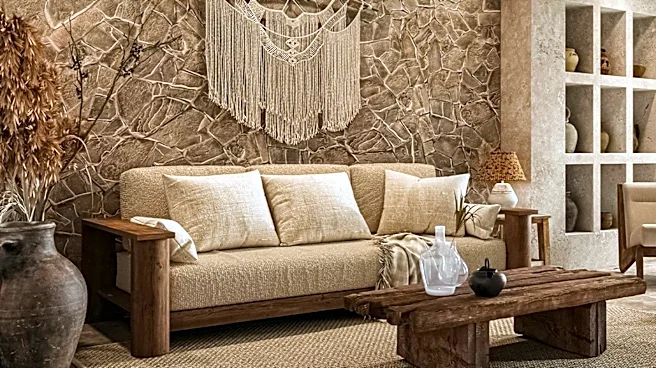
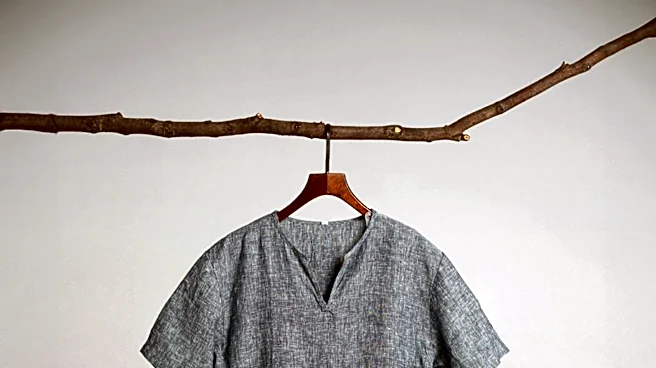
to garments that celebrate irregularity, handcrafted textures, and natural fibers, with designers like Issey Miyake incorporating deconstruction and experimental shapes to achieve an 'unfinished' look. The color palette typically features muted, earthy tones such as soft greys, warm browns, faded blacks, off-whites, and occasional muted greens or blues, mirroring natural elements. Textures are crucial, with crinkled fabrics, rough weaves, hand-dyed patterns, and uneven finishes contributing to a tactile experience. In interior design, wabi-sabi principles are seen in the use of natural materials like stone and timber with visible variations, and the embrace of imperfections in concrete vanities, allowing them to develop a graceful patina over time. This aesthetic promotes durability and timeless design, aligning with the slow fashion movement and a more mindful approach to style.
Why It's Important?
The growing adoption of wabi-sabi in U.S. fashion and design signifies a broader cultural shift towards authenticity, sustainability, and a rejection of consumerism's fast-paced trends. For the fashion industry, it encourages a move towards slow fashion, emphasizing durable, timeless pieces made from natural materials like linen, raw silk, organic cotton, and wool. This focus on longevity and the beauty of aging fabrics can reduce waste and promote environmentally conscious practices, benefiting both consumers and the planet. In interior design, it challenges the pursuit of pristine perfection, instead valuing character, texture, and the story behind materials. This can lead to more personalized and emotionally resonant spaces, fostering a deeper connection between individuals and their environments. The emphasis on natural materials and craftsmanship also supports artisans and local economies, as bespoke and handcrafted elements become more desirable. This trend reflects a desire for self-awareness and comfort over external validation, influencing how products are designed, marketed, and consumed in the U.S.
What's Next?
The continued integration of wabi-sabi principles is likely to further shape consumer preferences and industry practices in the U.S. We can expect to see more designers and brands adopting this philosophy, leading to an increased availability of products that prioritize natural materials, unique textures, and a celebration of imperfections. This could manifest in fashion collections featuring visible mending techniques, inspired by Japanese sashiko stitching, and interior design showcasing raw, unpolished finishes. The slow fashion movement will likely gain more traction, with consumers increasingly valuing quality and durability over fleeting trends. Educational initiatives and marketing campaigns may highlight the emotional and environmental benefits of embracing wabi-sabi, encouraging a more mindful approach to consumption. Furthermore, the influence of Asian design philosophies, particularly those emphasizing intentionality and restraint, is expected to continue shaping American residential thinking, as noted by designers like Matthew Tsang. This suggests a future where design is less about prescriptive aesthetics and more about personal expression and connection to the natural world.
Beyond the Headlines
The embrace of wabi-sabi extends beyond mere aesthetics, touching upon deeper ethical and cultural dimensions within U.S. society. It represents a philosophical counter-movement to the pervasive culture of perfectionism and instant gratification, encouraging a more accepting and appreciative stance towards natural processes, aging, and flaws. This shift can have psychological benefits, fostering self-acceptance and reducing the pressure to conform to unrealistic ideals. Culturally, it introduces a nuanced understanding of beauty, moving away from Western-centric notions of flawless symmetry and newness towards a more inclusive appreciation of character and history. Legally and economically, the emphasis on natural and sustainable materials could drive innovation in eco-friendly production methods and supply chains, potentially leading to new regulations or industry standards for material sourcing and waste reduction. The long-term impact could be a more sustainable and emotionally fulfilling relationship with consumer goods, where items are cherished for their unique stories and enduring qualities rather than their fleeting trendiness.