






What's Happening?
Streetwear designer Heron Preston and Formula E have unveiled a new creative partnership at ComplexCon Los Angeles. This collaboration aims to redefine motorsport fashion by integrating sustainability, recycled materials, and innovative design. A key
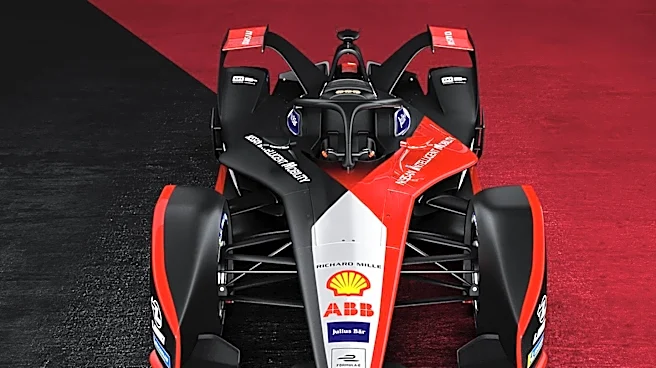
element of this partnership is Preston's 'eX-Ray' concept, which involves a meticulous examination of materials, their origins, and manufacturing processes. For the initial showcase, this approach was applied to recycled cotton pieces crafted from pre-consumer factory off-cuts and production scraps. These discarded materials are sorted, shredded, and re-spun into new yarn to create heavyweight fabrics. The partnership was highlighted by a Formula E GEN4 car, vertically displayed and adorned with a custom Preston-designed livery, symbolizing the fusion of high-performance motorsport and sustainable fashion. This initiative builds on Preston's previous work, such as his 2016 UNIFORM project, which repurposed New York City Department of Sanitation uniforms, and a 2021 collaboration with Mercedes-Benz, transforming crash-test airbags into garments.
Why It's Important?
This partnership signifies a growing trend of sustainability and circular economy principles entering mainstream industries, particularly in fashion and sports. For the U.S. fashion industry, it sets a precedent for incorporating recycled materials and ethical production into high-profile collaborations, potentially influencing consumer demand for sustainable apparel. In the sports sector, Formula E's commitment to resource efficiency, exemplified by its 100% recyclable GEN4 car, aligns with Preston's design philosophy, demonstrating how performance and environmental responsibility can coexist. This collaboration could inspire other sports leagues and brands to explore similar initiatives, fostering innovation in material science and manufacturing. The focus on pre-consumer waste reduction also addresses a critical environmental issue within the textile industry, offering a model for reducing landfill contributions and promoting resource recovery. The 'eX-Ray' concept emphasizes transparency in the supply chain, which could lead to increased accountability and more sustainable practices across various industries.
What's Next?
The ComplexCon installation served as an initial preview of a long-term partnership between Heron Preston and Formula E. Future developments are expected to expand beyond car liveries and recycled cotton apparel to include performance wear, fan merchandise, accessories, and other products made from upcycled materials sourced directly from the sport. This suggests a comprehensive integration of sustainable design across Formula E's brand and product offerings. The collaboration aims to explore how material choices can influence various aspects of motorsport fashion, indicating a continuous effort to innovate in this space. The positive reception at ComplexCon suggests that this strategy is resonating with audiences, which could lead to further public engagement and educational initiatives around sustainable practices in both fashion and motorsport. The partnership is poised to evolve, with ongoing efforts to connect the worlds of fashion and motorsport through a shared commitment to recovered resources and performance.
Beyond the Headlines
This collaboration transcends a typical brand endorsement, delving into deeper implications for industrial design, consumer culture, and environmental ethics. It challenges the traditional linear model of production and consumption by emphasizing the value of recovered resources, not just for environmental benefit but as a source of creative innovation. The 'eX-Ray' concept promotes a philosophical shift towards understanding the entire lifecycle of a product, from raw material to end-of-life, fostering a more conscious approach to design and manufacturing. This could influence educational curricula in design schools and encourage a new generation of designers to prioritize sustainability. Furthermore, by showcasing these efforts at a cultural event like ComplexCon, the partnership aims to embed sustainable values within street culture, making eco-conscious choices fashionable and desirable. This could lead to a broader cultural acceptance and demand for products that are both high-performance and environmentally responsible, ultimately driving systemic change in how industries approach material use and waste.