




What's Happening?
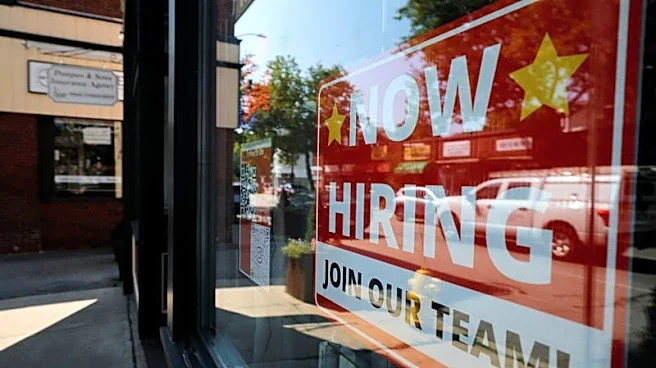
The U.S. economy is experiencing a slowdown in hiring, with only 57,000 jobs added in June, significantly less than the previous month's total. The unemployment rate has decreased to 4.2%, but this is largely due to many individuals ceasing their job search,
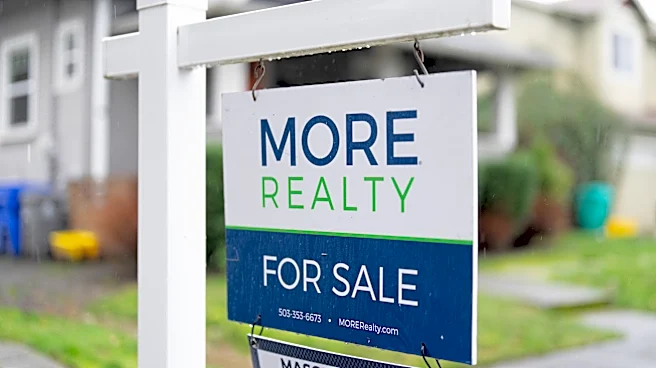
thus not being counted as unemployed. Inflation remains high, driven by increased oil prices due to the ongoing conflict with Iran, which has also affected consumer confidence. The Conference Board's consumer confidence index rose slightly to 91.2 in June, yet it remains below pre-pandemic levels. Additionally, the average long-term U.S. mortgage rate has fallen to 6.43%, the lowest in seven weeks, offering some relief to prospective homebuyers.
Why It's Important?
The current economic conditions highlight the fragility of the U.S. economy amidst global tensions and inflationary pressures. The decline in hiring suggests that businesses are cautious about expanding their workforce, reflecting concerns over economic stability. High inflation, exacerbated by geopolitical conflicts, is eroding consumer purchasing power, which could lead to reduced consumer spending, a critical component of economic growth. The slight improvement in consumer confidence is a positive sign, but the overall low level indicates persistent economic anxiety among Americans. The drop in mortgage rates may stimulate the housing market, but broader economic uncertainties could dampen this effect.
What's Next?
Future economic developments will likely depend on the resolution of geopolitical tensions, particularly the conflict with Iran, which is impacting oil prices and inflation. Policymakers may need to consider measures to bolster consumer confidence and stimulate job growth. Monitoring the labor market and inflation trends will be crucial for anticipating economic policy adjustments. Additionally, any changes in global oil supply dynamics or shifts in consumer behavior could significantly influence the economic outlook.