


What's Happening?
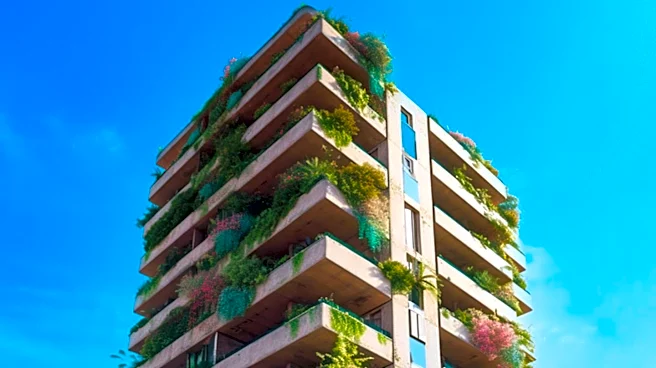
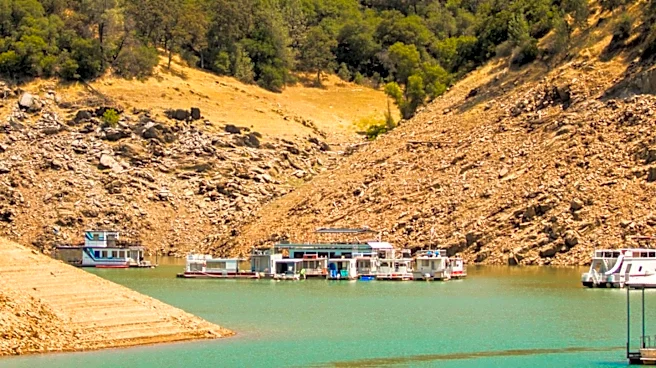
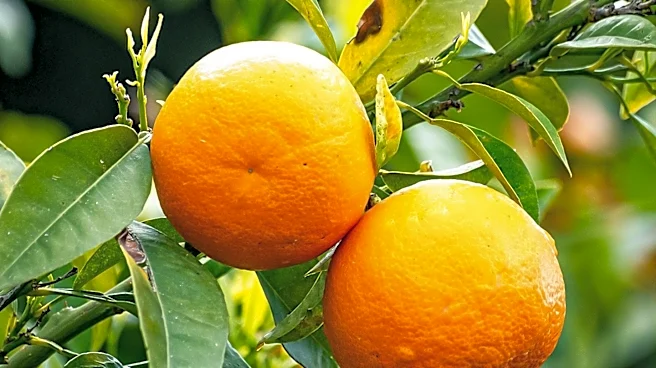
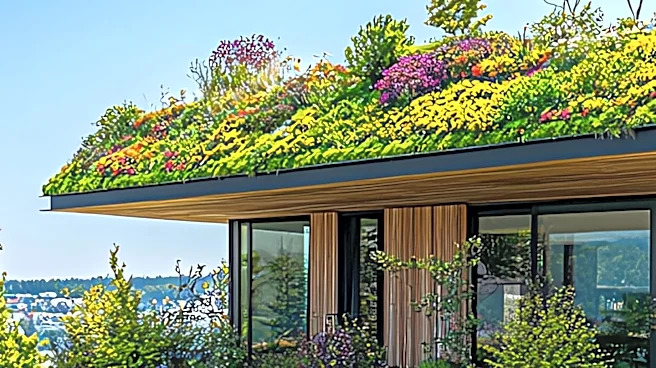
The trend of creating climate-resilient gardens is gaining momentum as gardeners seek to adapt to extreme weather conditions. This involves planting trees for shade, using climate-resilient crops, and employing naturalistic planting styles to reduce hardscaping.
Experts emphasize the importance of precision gardening, which uses data-driven strategies to optimize plant health and resource use. This approach includes using soil sensors and localized weather tracking to inform gardening decisions. The focus is on using native and climate-adapted plants that conserve water and support biodiversity, creating gardens that are both sustainable and aesthetically pleasing.
Why It's Important?
As climate change continues to impact weather patterns, creating resilient gardens becomes crucial for sustainability. These gardens not only withstand extreme weather but also contribute to environmental health by supporting local ecosystems and reducing resource consumption. By adopting precision gardening techniques, gardeners can make informed decisions that enhance plant resilience and reduce maintenance needs. This shift towards sustainable gardening practices reflects a broader movement towards environmental responsibility and resource conservation.