


What's Happening?
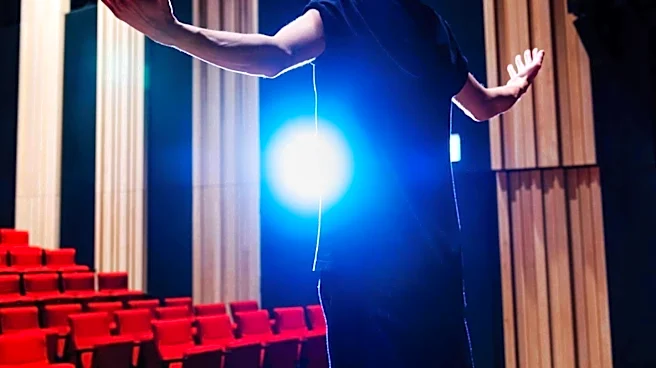
Rogers State University’s Student Theatre Organization (STO) is presenting its fall production of the comedy 'Greater Tuna' from November 12–14 at the Baird Performance Studio. The play, set in Texas, features a cast of eccentric small-town characters.
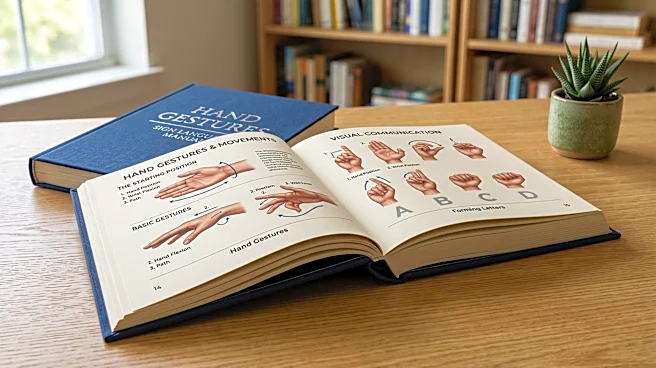
Performances are scheduled nightly at 7:07 p.m., with doors opening for general admission on a first-come, first-served basis. Seating capacity is limited to approximately 115 guests per night. Tickets are available for $5 for RSU students with a valid ID and $7 for general admission, payable by cash only. Notably, an American Sign Language (ASL) interpreter will be provided during the performance on Friday, November 13, specifically inviting members of the Deaf and Hard of Hearing community to attend. To ensure optimal seating for this ASL-interpreted show, attendees can reserve seats in advance by contacting Jacob Price via email.
Why It's Important?
The provision of an ASL interpreter for a specific performance of 'Greater Tuna' by the RSU Student Theatre Organization is a significant step towards making theatrical arts more accessible to the Deaf and Hard of Hearing community. This initiative demonstrates a commitment to inclusivity within university cultural programs, ensuring that a wider audience can engage with and enjoy live theatre. By offering ASL interpretation, RSU is not only accommodating individuals with hearing impairments but also fostering a more diverse and welcoming environment for all community members. Such efforts can encourage other educational institutions and theatre groups to adopt similar practices, thereby broadening access to cultural events across the nation and promoting greater participation from underserved communities in the arts.
What's Next?
Following this initiative, the RSU Student Theatre Organization may evaluate the success and impact of providing ASL interpretation for 'Greater Tuna.' This assessment could inform future decisions regarding accessibility services for subsequent productions, potentially leading to more regular offerings of ASL-interpreted performances. Other university theatre programs and local community theaters might observe RSU's efforts and consider implementing similar accommodations to better serve their diverse audiences. The engagement and feedback from the Deaf and Hard of Hearing community regarding this performance will be crucial in shaping future accessibility strategies for arts and cultural events at Rogers State University and potentially beyond.
Beyond the Headlines
This specific instance of providing ASL interpretation for a university theatre production highlights a broader societal movement towards greater inclusivity and accessibility in the arts. Beyond mere accommodation, it signifies a recognition of the cultural and social value of ensuring that all individuals, regardless of ability, can participate in and contribute to community life. Such initiatives can foster a deeper understanding and appreciation of diverse communication methods, like ASL, within the wider community. It also underscores the ethical responsibility of cultural institutions to remove barriers to participation, promoting a more equitable and integrated society where artistic expression is truly for everyone. This move by RSU could serve as a model for how educational institutions can lead in fostering inclusive cultural experiences.