




What's Happening?
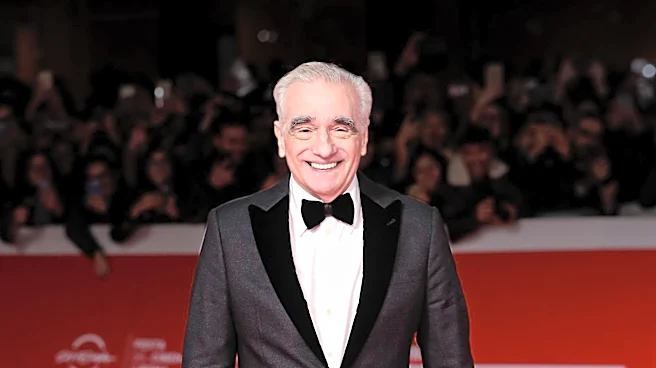
The 2014 film 'The Interview,' starring Seth Rogen, caused a significant international incident that ultimately led to the cancellation of Martin Scorsese's planned 'Cleopatra' movie. According to Scorsese, Columbia Pictures, a subsidiary of Sony, scrapped
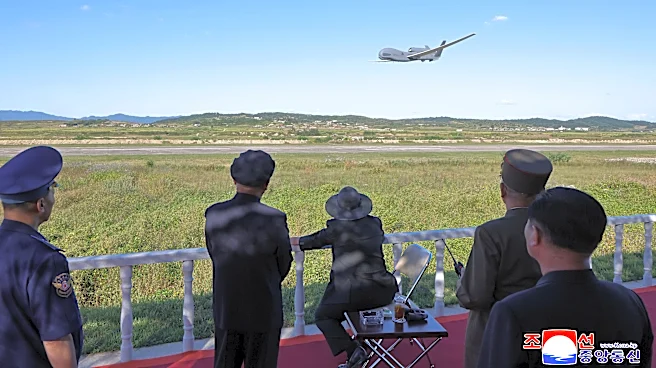
his 'Cleopatra' project after the controversy surrounding 'The Interview.' The comedy, which depicted a plot to assassinate North Korea's leader, Kim Jong Un, resulted in threats of violent retaliation from North Korea and a major cyberattack on Sony. The FBI attributed the hack to North Korea, despite their denials. Scorsese revealed that the 'Cleopatra' film was close to production, with a script by Eric Roth and Angelina Jolie attached to star as Cleopatra the Seventh. He jokingly attributed the film's demise to the North Korean leader's reaction to Rogen's movie.
Why It's Important?
This event highlights the unexpected and far-reaching consequences that creative works, particularly those with political themes, can have on the entertainment industry and international relations. The cancellation of a major film project by a renowned director like Martin Scorsese due to geopolitical tensions underscores the vulnerability of artistic endeavors to external pressures. It also demonstrates the significant financial and reputational risks that studios face when producing content deemed controversial by foreign governments. The incident sparked broader discussions about freedom of speech, censorship, and the role of entertainment in global politics, impacting how studios approach sensitive subjects and manage potential backlash.
What's Next?
While Scorsese's 'Cleopatra' project was shelved, the incident did not deter him from continuing his prolific career, as he went on to direct critically acclaimed films like 'Silence' and 'The Irishman.' The broader implications for Hollywood include a heightened awareness of potential international repercussions for films with sensitive political content. Studios may continue to exercise caution when greenlighting projects that could provoke foreign governments, potentially leading to more self-censorship or a preference for less controversial themes to avoid similar incidents. The event serves as a cautionary tale for filmmakers and studios navigating the complex landscape of global entertainment and political sensitivities.
Beyond the Headlines
The 'The Interview' controversy brought to light the intricate interplay between art, politics, and cybersecurity. The cyberattack on Sony, which the FBI linked to North Korea, was an unprecedented act of state-sponsored hacking targeting a private company over a film. This incident raised critical questions about digital security in the entertainment sector and the potential for nation-states to interfere with cultural production. It also underscored the economic and diplomatic challenges faced by the U.S. government when defending artistic freedom against foreign threats. The event contributed to a global conversation about the weaponization of cyber capabilities and the evolving nature of international conflict in the digital age, extending beyond traditional military and diplomatic channels.