






What's Happening?
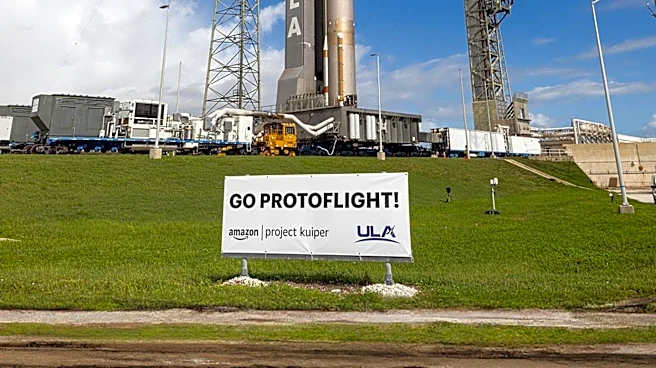
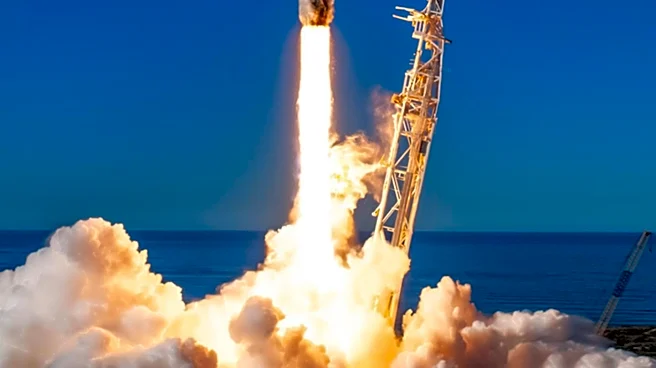
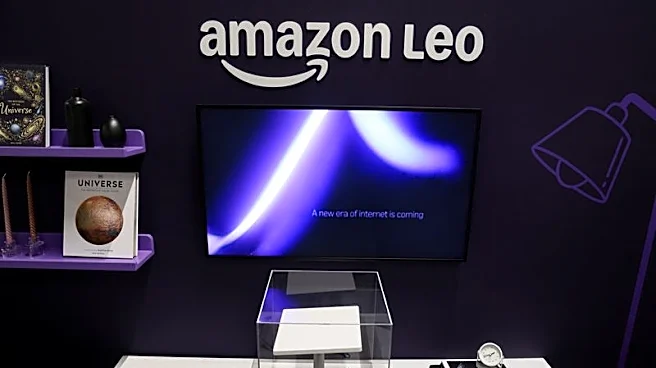
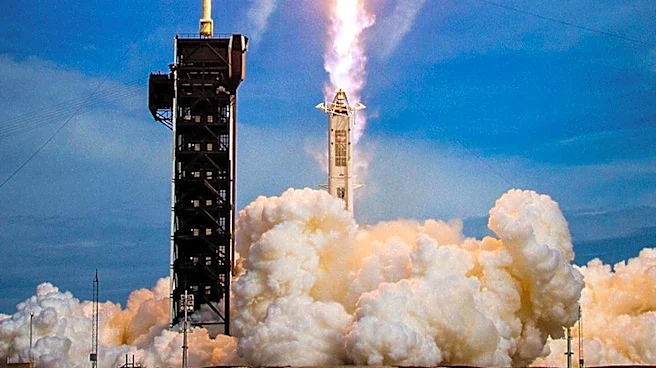
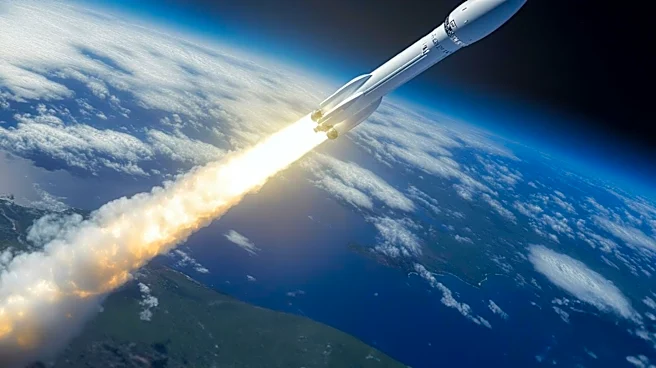
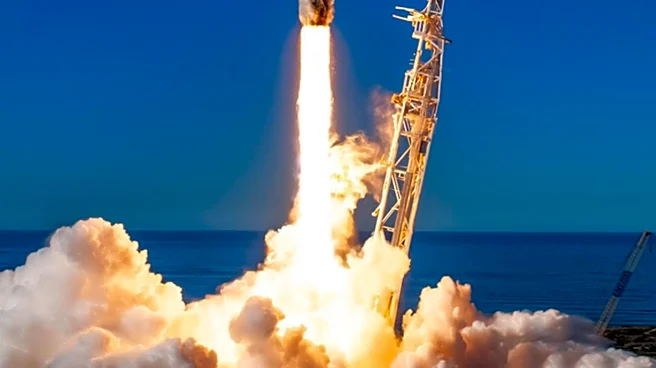
Amazon has announced that it is ready to begin initial service with its low-Earth-orbit (LEO) broadband offering following the successful deployment of 29 satellites on an Atlas V rocket. The launch took place at 12:30 a.m. ET on July 2 from Space Launch
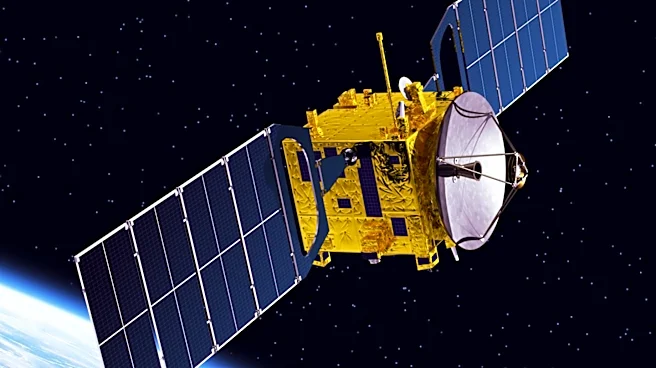
Complex-41 at Cape Canaveral Space Force Station. This mission marked the final use of the Atlas V rocket for Amazon, as confirmed by United Launch Alliance, the launch services provider. With this deployment, Amazon's Leo constellation now comprises over 390 satellites. Chris Weber, Amazon's vice president leading the program, stated that the current number of satellites allows for continuous service across initial latitudes, with future missions aimed at expanding coverage and capacity. Amazon has been utilizing various launchers to build its constellation, competing with SpaceX's Starlink. Despite facing launcher bottlenecks and a recent explosion of a Blue Origin New Glenn rocket, Amazon continues to deploy satellites using Arianespace's Ariane 6 rocket and SpaceX's Falcon 9.
Why It's Important?
The deployment of Amazon's Leo constellation is significant as it marks a major step in the company's efforts to compete in the satellite broadband market, particularly against SpaceX's Starlink. The ability to provide continuous service across initial latitudes could enhance internet accessibility in underserved regions, potentially transforming connectivity for remote areas. This development also highlights the growing competition in the satellite internet sector, which could lead to more affordable and widespread internet access. Additionally, the successful deployment despite previous setbacks demonstrates Amazon's resilience and commitment to expanding its satellite network, which could have long-term implications for global internet infrastructure and the telecommunications industry.
What's Next?
Amazon plans to continue expanding its Leo constellation with future launches, aiming to increase coverage and capacity. The company has 38 Vulcan rocket missions planned, each capable of carrying more than 40 satellites. However, challenges remain, such as resolving launcher bottlenecks and ensuring the reliability of its launch partners. The recent waiver granted by the Federal Communications Commission (FCC) for satellite deployments indicates regulatory support, which could facilitate Amazon's expansion efforts. As Amazon progresses, it will be crucial to monitor how the company addresses technical challenges and how its service offerings impact the competitive landscape of satellite broadband.