







What's Happening?
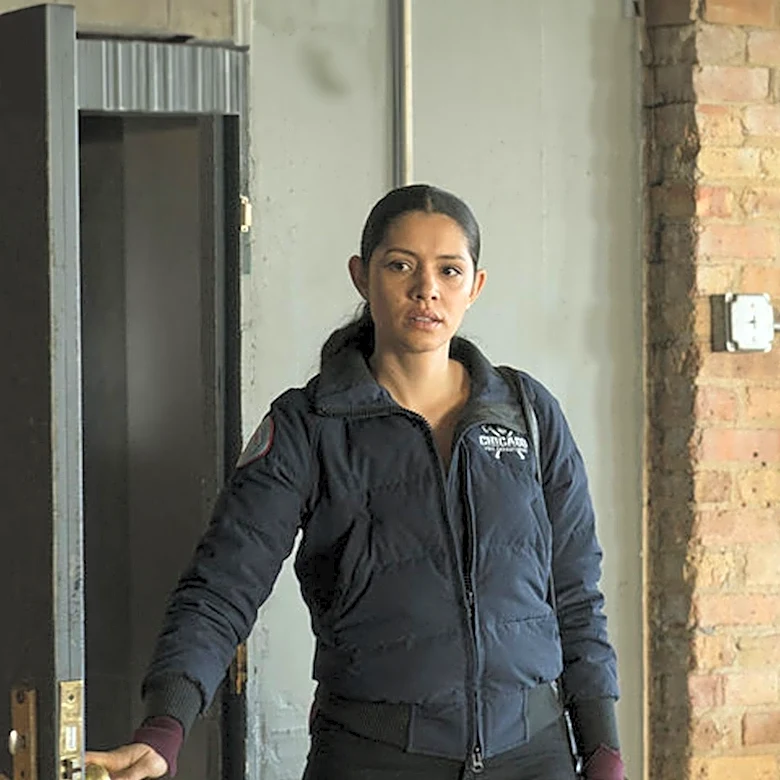
Actress Jena Malone recently discussed her experiences filming the cult classic 'Donnie Darko' and her willingness to revisit her character, Gretchen Ross, in potential future projects. Malone, who was 16 during the film's production, described the script
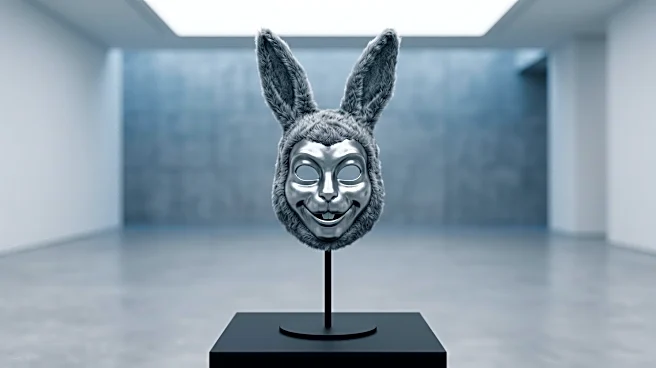
as 'absolutely weird' but appealing due to its complexity and unique blend of science fiction and teenage drama. She highlighted her character's depth, particularly the tragic backstory that added nuance to Gretchen's portrayal. Malone also touched upon the collaborative atmosphere on set with director Richard Kelly, noting his younger age fostered a more comfortable and less formal dynamic. The film, initially a box-office failure, gained cult status through rentals and revival screenings, a phenomenon Malone found exciting as it broke her previous understanding of independent cinema's reach. She expressed enthusiasm for Richard Kelly's upcoming book sequel and potential future movies, indicating her interest in exploring Gretchen's character further within Kelly's 'world-building.'
Why It's Important?
Jena Malone's reflections on 'Donnie Darko' underscore the enduring cultural impact of films that initially struggle at the box office but later achieve significant cult followings. Her perspective highlights how a film's artistic merit and unique storytelling can resonate with audiences over time, transcending initial commercial performance. For the entertainment industry, this demonstrates the value of creative risks and the potential for long-term profitability and influence from projects that may not be immediate blockbusters. Malone's openness to reprising her role in a potential sequel, especially given the film's dedicated fanbase, could generate considerable interest and financial success for future 'Donnie Darko' endeavors. This also speaks to the power of character development and world-building, as fans remain invested in the fates of characters like Gretchen Ross decades after the original release. The discussion about trauma bonding and complex intimacy in teenage relationships within the film also reflects a deeper societal appreciation for nuanced portrayals of youth experiences in media.
What's Next?
Richard Kelly, the director of 'Donnie Darko,' is reportedly releasing a sequel to the movie in book form, with plans to follow it with additional films. Jena Malone's expressed interest in revisiting her character, Gretchen Ross, suggests a strong possibility of her involvement if these cinematic sequels materialize. The success of the book will likely influence the momentum for further film adaptations. Given the film's cult status and dedicated fanbase, any new 'Donnie Darko' projects, especially with original cast members, are likely to be met with significant anticipation. The potential for Malone's return could reignite interest in the franchise and attract both long-time fans and new audiences. Future developments will depend on the reception of Kelly's book and the subsequent production decisions regarding the film sequels.
Beyond the Headlines
The enduring appeal of 'Donnie Darko,' as discussed by Jena Malone, points to a broader cultural phenomenon where films that challenge conventional narratives and explore complex themes can achieve lasting relevance. The movie's initial commercial failure followed by its rise to cult status highlights a disconnect between immediate box office performance and long-term cultural impact. This suggests that artistic integrity and unique vision can sometimes outweigh mainstream appeal in establishing a film's legacy. Malone's insights into the film's portrayal of trauma and complex teenage relationships also touch upon the ethical and psychological dimensions of storytelling, emphasizing how cinema can explore difficult human experiences with depth and nuance. The film's ability to provoke thought and discussion, even decades later, underscores the power of art to engage with profound questions about fate, reality, and human connection, fostering a community of viewers who find meaning in its ambiguities.