






What's Happening?
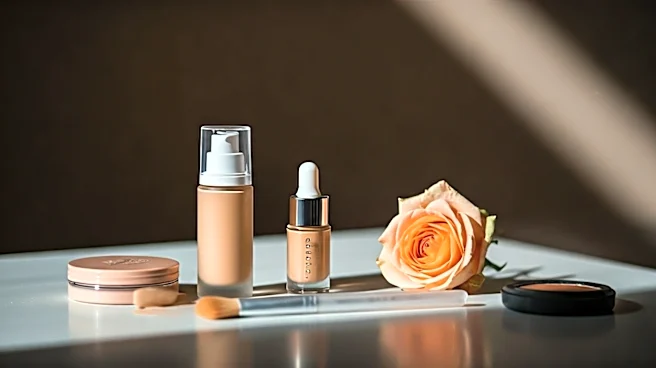
Makeup pilling, a common issue where makeup products ball up or peel off the skin, can be frustrating for many. According to cosmetic chemist Milan Scott, this problem often arises from the interaction of incompatible products, such as film formers, polymers,
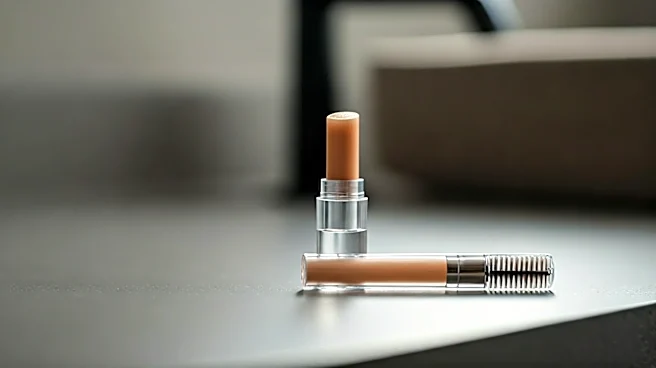
and emulsifiers, which fail to adhere properly to the skin. The issue is not necessarily with the makeup itself but rather the order and compatibility of skincare and makeup products applied. Experts suggest that applying products in the correct sequence and allowing each layer to fully absorb can prevent pilling. For instance, skincare should be applied from thinnest to thickest, starting with lightweight hydrating formulas like toners or serums, followed by moisturizer and SPF. In makeup, cream products should precede powders to avoid drag and uneven texture.
Why It's Important?
Understanding and preventing makeup pilling is crucial for consumers seeking a flawless makeup application. This knowledge can enhance the longevity and appearance of makeup, reducing frustration and waste of products. The beauty industry, which is highly competitive, benefits from informed consumers who can make better purchasing decisions based on product compatibility. Additionally, this insight can drive innovation in product formulations, encouraging brands to create more compatible and user-friendly products. For consumers, this means achieving desired beauty outcomes with less effort and expense, enhancing overall satisfaction with their beauty routines.
What's Next?
As consumers become more aware of the causes of makeup pilling, there may be a shift towards more streamlined beauty routines and products designed for compatibility. Brands might focus on developing multi-functional products that reduce the need for multiple layers, thus minimizing the risk of pilling. Additionally, educational content from beauty experts and influencers could further inform consumers about best practices in product application. This trend could lead to a more informed consumer base and potentially influence future product development in the beauty industry.