



What's Happening?
Ubud, located in the lush green hills of Bali, Indonesia, is recognized as the island's cultural and spiritual center. Situated approximately an hour and a half from Seminyak, Ubud offers a slower pace of life compared to the beach-club coast, yet it provides
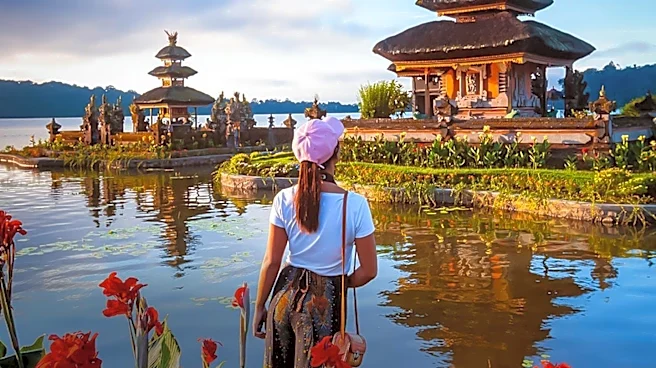
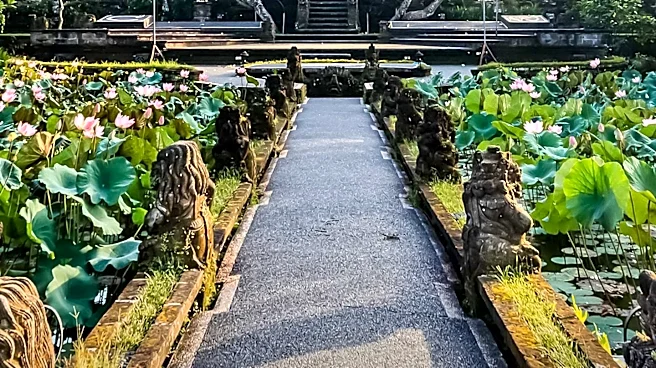
numerous restaurants and accommodation options. The town is characterized by its abundance of temples, vibrant art markets, yoga retreats, and expansive emerald rice terraces. Key attractions include the Saraswati Temple, Tirta Empul Holy Water Temple, and the Tegallalang Rice Terrace. The area is surrounded by dense jungle and serene riverside views, with many resorts designed to harmonize with Bali’s natural beauty. Visitors often spend 2 to 3 days exploring the sights, which also include the Sacred Monkey Forest Sanctuary, Ubud Palace, and various waterfalls like Lekeleke Waterfall.
Why It's Important?
Ubud's significance lies in its role as a conservator and showcase of Balinese culture and spirituality. Unlike the more commercialized coastal areas, Ubud offers an authentic experience of the island's Hindu traditions, art, and natural landscapes. The presence of numerous temples, such as Ulun Danu Beratan Temple and Tirta Gangga Temple, highlights the deep spiritual roots of the community. The art markets and traditional craft workshops provide economic opportunities for local artisans and preserve traditional skills like wood carving, silversmithing, and batik making. The emphasis on yoga and wellness tourism also positions Ubud as a global destination for holistic health, attracting a diverse range of international visitors seeking spiritual enrichment and relaxation. The preservation of natural sites like the Tegallalang Rice Terraces is crucial for environmental sustainability and agricultural heritage.
What's Next?
Ubud is expected to continue its growth as a premier destination for cultural and eco-tourism in Bali. The ongoing development of luxury accommodations, such as Buahan, a Banyan Tree Escape, which emphasizes living in harmony with nature, suggests a trend towards sustainable and immersive travel experiences. Efforts to manage tourism, particularly at popular sites like the Sacred Monkey Forest Sanctuary and Tegallalang Rice Terraces, will likely focus on balancing visitor numbers with preservation. The town's central location on the island makes it a convenient base for exploring other Balinese attractions, suggesting continued investment in infrastructure and guided tours. As Bali navigates its tourism future, Ubud will likely remain at the forefront of offering experiences that blend cultural immersion, spiritual well-being, and natural beauty.
Beyond the Headlines
Beyond its immediate appeal as a tourist destination, Ubud embodies a deeper narrative about the balance between tradition and modernity. The town's ability to maintain its spiritual and cultural integrity amidst growing tourism presents a model for sustainable development. The 'No Walls, No Doors' concept adopted by some resorts reflects a philosophical approach to integrating human habitation with the natural environment, challenging conventional notions of luxury. The vibrant art scene, from traditional dance performances at Ubud Palace to the bustling art markets, serves as a living museum, preserving and evolving Balinese artistic expressions. This cultural resilience, coupled with a strong emphasis on wellness and ecological harmony, positions Ubud not just as a place to visit, but as a source of inspiration for mindful living and cultural preservation in a rapidly changing world.