





What's Happening?
Cheniere Energy, a leading U.S. energy infrastructure company, has made significant strides in its liquefied natural gas (LNG) operations in Texas. The company successfully completed the seventh and final train of its Corpus Christi Stage 3 project in August,
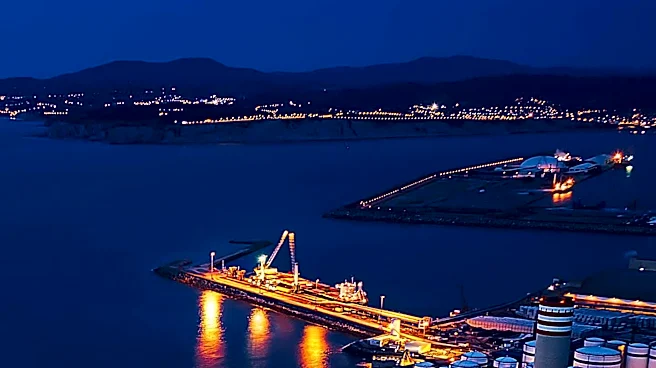
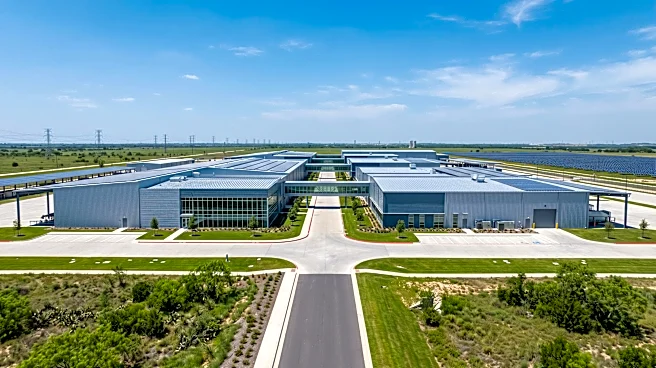
ahead of schedule. This completion has increased Cheniere's LNG production capacity by over 20%. Additionally, construction is progressing on the Corpus Christi Midscale Trains 8 & 9 project. Cheniere Energy owns and operates the Corpus Christi LNG terminal near Corpus Christi, Texas, and operates the Corpus Christi pipeline, a 21.5-mile natural gas supply pipeline that connects the terminal with various interstate and intrastate natural gas pipelines. These developments contribute to the company's overall growth pipeline and reinforce its long-term contracted growth strategy.
Why It's Important?
The expansion of Cheniere Energy's LNG facilities in Texas is crucial for the U.S. energy sector and its role in global energy markets. The increased production capacity from the Corpus Christi Stage 3 project strengthens the nation's ability to export LNG, which is particularly significant given tightening global LNG markets and supply disruptions in regions like the Middle East. This enhanced export capability allows the U.S. to meet growing international demand for natural gas, supporting energy security for allied nations and generating substantial revenue. For U.S. industries, particularly those involved in natural gas extraction and transportation, this expansion signifies continued demand and investment. The company's long-term agreements, such as those with QatarEnergy and Petrobras, provide stable revenue streams and underpin future growth, benefiting shareholders and the broader energy economy.
What's Next?
Looking ahead, investors and industry observers will closely monitor several key factors influencing Cheniere Energy's trajectory. The company's ability to sustain elevated LNG volumes and marketing margins, especially through the winter months when European storage levels are lower, will be a critical metric. On the strategic front, the timing of a final investment decision on the Sabine Pass Phase 1 expansion and continued progress on other Corpus Christi expansion projects will serve as potential catalysts. Regulatory approvals from the Federal Energy Regulatory Commission (FERC) and the Department of Energy will also play a significant role in shaping investor sentiment and the pace of future developments. Competitive pressures from other LNG producers like Venture Global and NextDecade, alongside the broader trends in global LNG pricing and Middle East supply conditions, will continue to influence the market.
Beyond the Headlines
The ongoing expansion of LNG infrastructure in Texas, exemplified by Cheniere Energy's projects, highlights a broader shift in the global energy landscape. The U.S. is solidifying its position as a major global energy exporter, leveraging its abundant shale gas resources. This has implications for international relations, as energy supply becomes a tool for geopolitical influence and economic stability. The environmental impact of increased natural gas production and liquefaction, while cleaner than some fossil fuels, remains a subject of debate, particularly concerning methane emissions and the overall transition to renewable energy. The long-term contracts secured by Cheniere also underscore the continued demand for natural gas as a transitional fuel, even as global efforts to combat climate change intensify. This dual focus on energy security and environmental considerations will shape future policy and investment decisions in the U.S. energy sector.