


What's Happening?
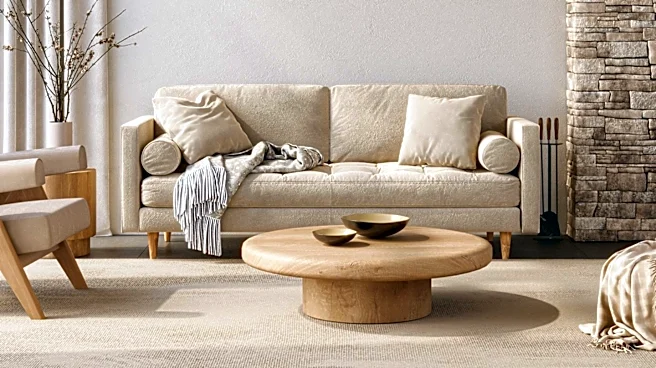
Wabi-sabi, a design philosophy that values imperfection and natural aging, is gaining prominence in modern interior design. This style emphasizes the beauty found in the natural wear and simplicity of materials, creating calm and soulful living spaces.
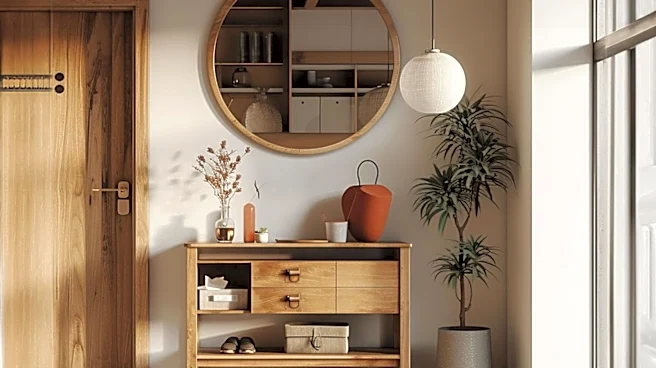
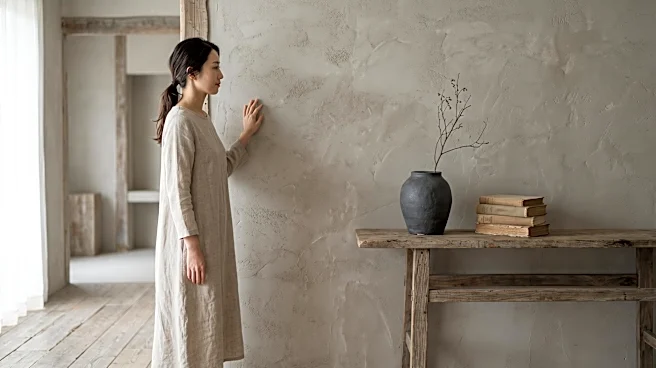
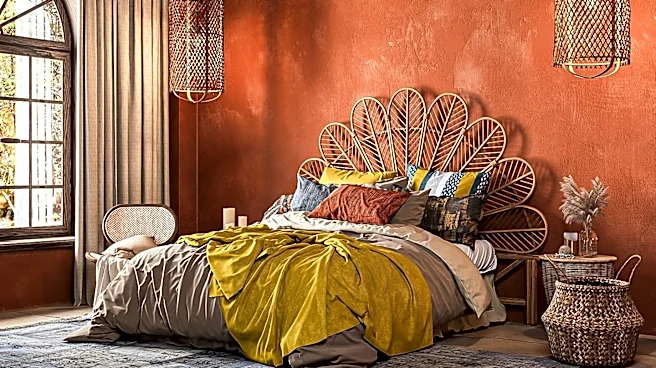
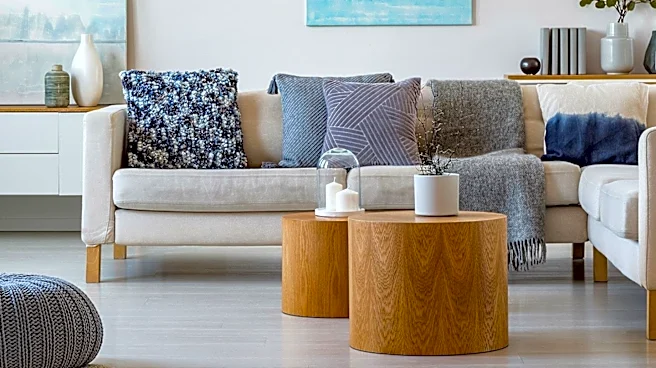
Key elements of wabi-sabi interiors include handmade ceramics, limewash walls, raw linen, weathered wood, and natural stone, all presented in muted, earthy color palettes. The aesthetic is characterized by restraint and simplicity, often featuring unadorned walls, minimal millwork, and furniture with modest profiles. It seeks to highlight the inherent beauty of objects as they age and show signs of use, rather than striving for pristine perfection. This approach aligns with other minimalist and organic modern design trends, offering a serene and understated environment.
Why It's Important?
The growing popularity of wabi-sabi style reflects a broader cultural shift towards valuing authenticity and sustainability in design. In an increasingly fast-paced and consumer-driven society, this aesthetic offers a counter-narrative by promoting appreciation for the imperfect and the transient. For U.S. consumers and the interior design industry, this means a potential move away from mass-produced, flawless items towards handcrafted, unique pieces that tell a story. Businesses in the home goods and furniture sectors may see increased demand for natural materials, artisanal products, and designs that celebrate rather than conceal natural wear. This trend could also influence architectural choices, favoring materials that age gracefully and require less intensive maintenance, ultimately impacting manufacturing and retail strategies across the design landscape.
What's Next?
As wabi-sabi continues to influence interior design, we can anticipate a further integration of its principles into mainstream home decor. This may lead to a wider availability of products that embody this aesthetic, such as textured ceramics, natural fiber textiles, and furniture made from reclaimed or minimally processed wood. Design professionals are likely to incorporate wabi-sabi elements into their projects, offering clients spaces that feel more grounded and authentic. Educational resources and workshops on sustainable and mindful design practices, including wabi-sabi, could also become more prevalent. Furthermore, the style's emphasis on natural materials and longevity might encourage consumers to invest in higher-quality, durable items, potentially shifting purchasing habits and fostering a more conscious approach to home furnishing.
Beyond the Headlines
The embrace of wabi-sabi extends beyond mere aesthetics; it represents a philosophical shift towards finding beauty in impermanence and the natural cycle of decay and renewal. This perspective can have profound psychological benefits, fostering a sense of peace and acceptance in daily life by encouraging individuals to let go of the pursuit of unattainable perfection. Ethically, it promotes sustainability by valuing existing objects and natural materials, reducing the demand for new, resource-intensive production. Culturally, it challenges Western ideals of flawless beauty and newness, inviting a deeper appreciation for the character and history embedded in objects. This subtle yet powerful influence could lead to a more mindful consumer culture, where items are cherished for their unique qualities and stories rather than their pristine condition, ultimately impacting our relationship with our living spaces and the objects within them.