



What's Happening?
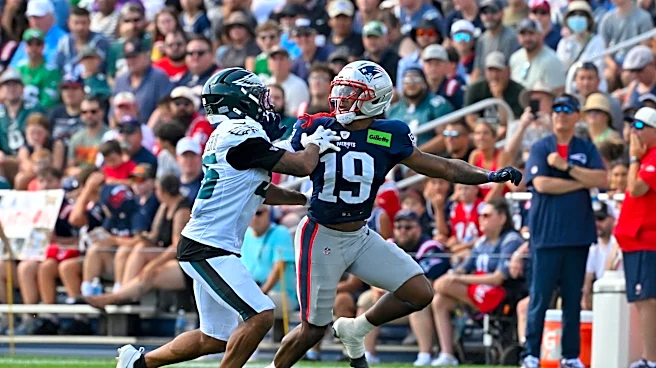
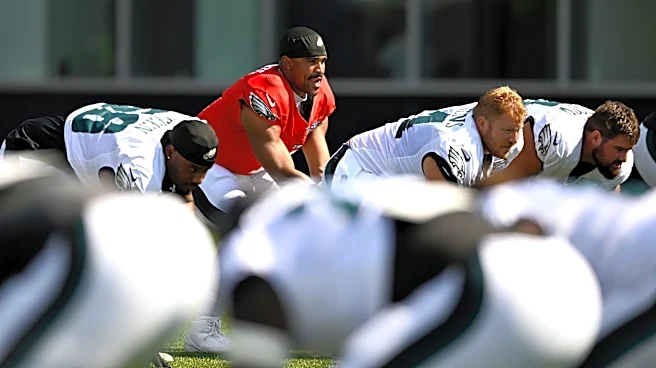
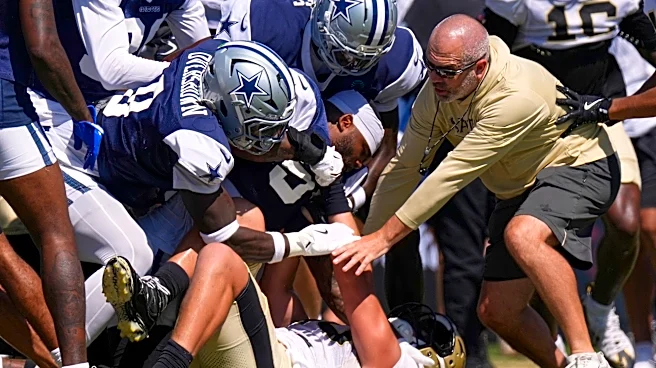
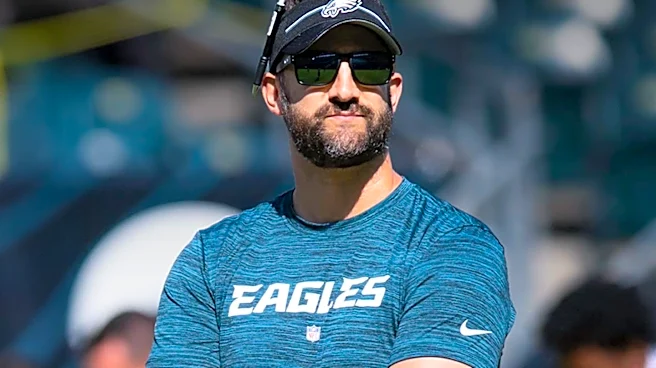
Philadelphia Eagles head coach Nick Sirianni has articulated the significant value he places on joint practices, particularly following the team's week in New England. These sessions, which involved two days of working against the New England Patriots
before a preseason game, are seen by Sirianni as crucial for player development and gathering information for final roster decisions. Unlike typical practice weeks, joint sessions allow teams to script specific scenarios, repeat plays, and immediately correct mistakes in a controlled competitive environment. This provides extensive opportunities for evaluating players, especially younger ones vying for roster spots, in various game situations such as red zone drills, two-minute scenarios, and first and second down plays. Sirianni noted that the Eagles were able to cover every situation over the two days, which is often not possible in a single day of practice. Despite running back Saquon Barkley's reported disinterest in the joint practice environment, coaches across the league, including Sirianni, continue to embrace them for the comprehensive preparation they offer before the regular season commences.
Why It's Important?
The increasing emphasis on joint practices by NFL coaches like Nick Sirianni signifies a strategic shift in preseason preparation, moving beyond traditional preseason games as the sole measure of player readiness. This approach allows for a more controlled and detailed evaluation process, which is critical for optimizing team performance and making informed roster cuts. For players, particularly those on the bubble, these practices offer invaluable additional repetitions and direct competition against different opponents, providing a clearer picture of their capabilities under pressure. For teams, the ability to script specific scenarios and immediately address issues in a high-pressure setting without the constraints of a game score fosters a more effective learning environment. This method can lead to better-prepared teams entering the regular season, potentially impacting competitive balance and overall league quality. The insights gained from these intensive sessions can influence coaching strategies, player development pathways, and ultimately, a team's success throughout the season, making them a 'great connector' for team cohesion and performance.
What's Next?
Following their joint practices and preseason game against the New England Patriots, the Philadelphia Eagles will now shift their focus to their final preseason game against the Cincinnati Bengals. The information gathered during the three days of competition in Foxborough, encompassing red-zone drills, two-minute situations, and the game itself, will be meticulously reviewed by Coach Sirianni and his staff. This data will be instrumental in making the final roster decisions as the team prepares for the upcoming regular season. Players who performed well in these high-stakes practice environments will likely see their chances of securing a roster spot improve, while others may face difficult cuts. The insights from these sessions will also inform the team's strategic planning and player development efforts as they aim to meet championship expectations. The continued adoption of joint practices by NFL teams suggests this trend will persist, with coaches seeking to maximize evaluation opportunities and refine team dynamics before the regular season begins.
Beyond the Headlines
The growing reliance on joint practices in the NFL highlights a broader evolution in professional sports training and evaluation methodologies. Beyond the immediate benefits of player assessment and skill refinement, these practices foster a unique competitive culture that balances intense rivalry with collaborative learning. The 'back-and-forth' nature of these sessions, as described by Sirianni, can build resilience and adaptability in players, preparing them for the dynamic challenges of a full NFL season. Furthermore, the emphasis on immediate feedback and correction in a controlled environment reflects modern pedagogical approaches that prioritize active learning and continuous improvement. This shift also subtly redefines the role of preseason games, positioning them more as a culmination of practice efforts rather than the primary evaluation tool. The 'connector' aspect Sirianni mentions extends beyond the field, potentially building camaraderie and shared understanding among players and coaches through shared intense experiences, which can be crucial for team chemistry and long-term success.