


What's Happening?
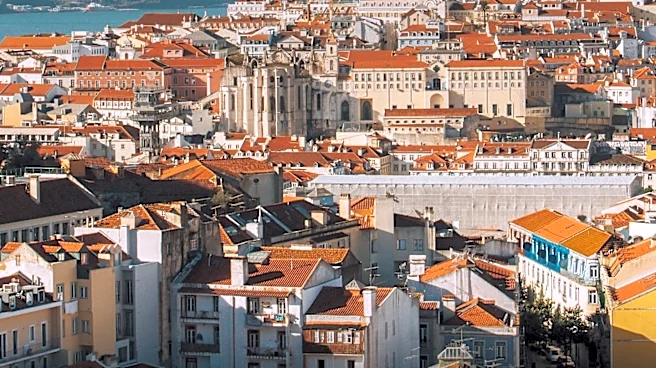
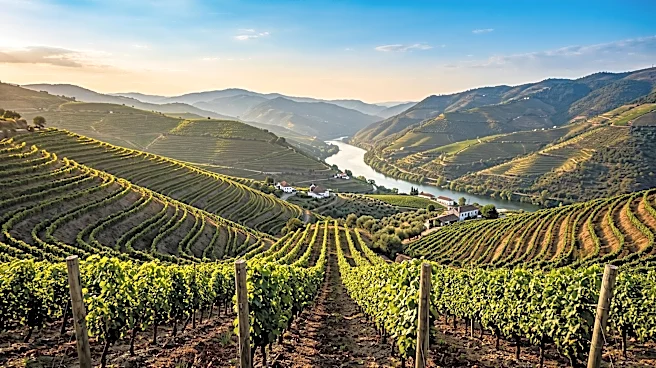
A growing trend in global tourism, 'slow travel,' is gaining prominence, with several countries actively promoting more relaxed and immersive visitor experiences. This approach prioritizes deeper engagement with destinations over rapid sightseeing. Portugal
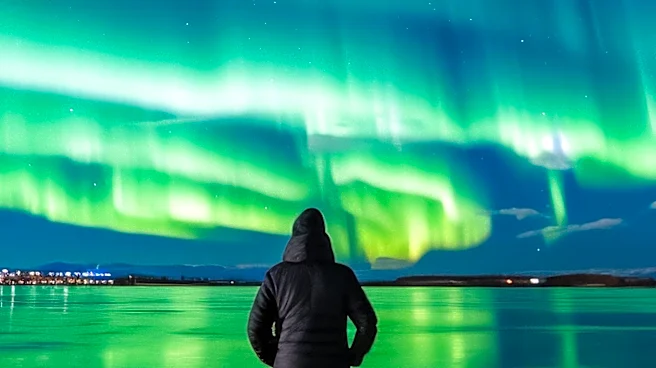
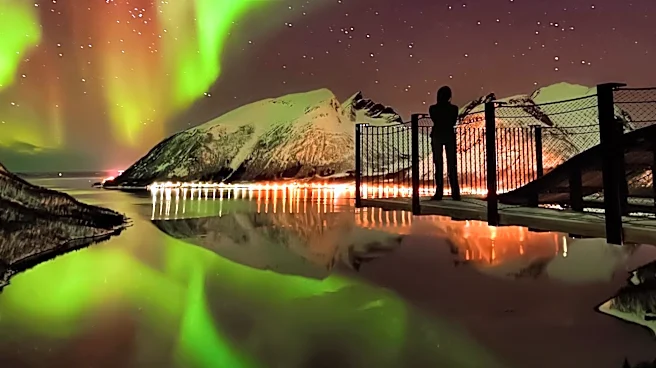
encourages visitors to explore its inland vineyards and historic towns, moving beyond crowded Lisbon viewpoints. Costa Rica, known for its 'Pura Vida' lifestyle, promotes flexible itineraries centered around rainforests, volcanoes, and beaches. Bhutan maintains its quiet allure through a Sustainable Development Fee, encouraging longer stays focused on valley walks and monastery visits. Iceland, consistently ranked as the world's most peaceful country, offers experiences built around hot pools, hikes, and scenic drives. Denmark embodies 'hygge' with its cozy, low-key atmosphere, while Finland emphasizes sauna culture and silent natural landscapes. These nations leverage their inherent peacefulness and unique cultural elements to attract travelers seeking tranquility and authentic connections.
Why It's Important?
The rise of slow travel signifies a significant shift in traveler preferences, moving away from checklist tourism towards more qualitative, enriching experiences. This trend has substantial implications for the global tourism industry, encouraging destinations to rethink their marketing strategies and product offerings. For countries like Portugal, it means diversifying tourism beyond coastal hotspots, spreading economic benefits to less-visited regions. For Bhutan, its high-value, low-impact tourism model serves as a blueprint for sustainable development, preserving cultural integrity and natural beauty. The emphasis on peace, happiness, and well-being in destinations like Iceland, Denmark, and Finland caters to a growing segment of travelers seeking respite from fast-paced modern life. This shift can lead to more sustainable tourism practices, reduced environmental impact, and a more authentic cultural exchange, benefiting both visitors and local communities by fostering deeper appreciation and respect for the destination.
What's Next?
As slow travel gains momentum, more countries are likely to adapt their tourism strategies to cater to this demand. This could involve developing specialized itineraries that encourage longer stays, promoting off-the-beaten-path destinations, and investing in infrastructure that supports sustainable and immersive experiences. We may see an increase in demand for accommodations that offer a sense of place, such as boutique hotels, eco-lodges, and homestays, rather than large, generic resorts. Tourism boards might shift their marketing focus from highlighting numerous attractions to emphasizing the quality of experience, local interactions, and the overall atmosphere of a destination. Furthermore, there could be a greater integration of well-being and mindfulness practices into travel offerings, aligning with the slow travel ethos. The success of these pioneering countries will likely inspire others to explore similar models, fostering a global movement towards more conscious and meaningful travel.
Beyond the Headlines
The slow travel movement reflects a deeper societal yearning for authenticity, connection, and a slower pace of life in an increasingly fast-paced world. Beyond its economic implications, it carries significant cultural and psychological dimensions. Culturally, it encourages the preservation and celebration of local traditions, crafts, and ways of life, as these become central to the traveler's experience. It fosters a more respectful interaction between visitors and hosts, moving away from transactional tourism towards genuine cultural exchange. Psychologically, slow travel offers a counter-narrative to the stress and burnout prevalent in modern society, promoting mindfulness, relaxation, and a deeper connection with oneself and the environment. It challenges the consumerist mindset of 'collecting' destinations and instead advocates for 'experiencing' them. This shift could lead to a more profound and transformative impact on travelers, fostering greater empathy, understanding, and a renewed appreciation for the world's diverse cultures and natural beauty.