






What's Happening?
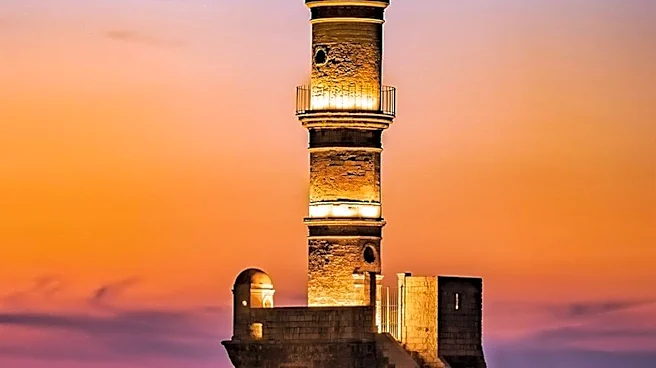
Chania, Greece, is being highlighted as a premier destination for solo female travelers in 2026 due to its high safety ratings, walkable Old Town, and robust social infrastructure. The city, located on the island of Crete, boasts a very low violent crime
rate, with the Old Town remaining well-lit and active into the late hours, making nighttime walks safe. While petty theft can occur in crowded harbor areas during peak season (July and August), general situational awareness is sufficient. The city is noted for its comfortable and low-hassle environment for women traveling alone, with unwanted attention being uncommon. Chania's compact nature allows for easy exploration on foot, eliminating the need for a car within the city. The social infrastructure, including hostels, small-group food tours, and day trips, facilitates meeting other travelers, making it an ideal spot for those seeking both independence and social interaction. Accommodation options range from atmospheric Old Town stays to budget-friendly seafront neighborhoods like Koum Kapi or Nea Chora, and various hostels cater to those looking to connect with fellow travelers.
Why It's Important?
The rise of Chania as a recommended destination for solo female travelers reflects a broader trend in the travel industry towards prioritizing safety, accessibility, and social opportunities for this demographic. This trend is significant as it influences travel planning, destination marketing, and the development of local tourism infrastructure. For solo female travelers, the assurance of safety and ease of navigation can significantly reduce barriers to travel, encouraging more women to explore independently. Economically, destinations that successfully cater to this growing market segment can see increased tourism revenue, supporting local businesses such as hotels, restaurants, and tour operators. Furthermore, the emphasis on social infrastructure, like group tours and hostels, indicates a demand for curated experiences that balance solitude with opportunities for connection, shaping how travel services are designed and promoted globally. This focus also highlights the evolving preferences of travelers who seek authentic cultural experiences without compromising personal security.
What's Next?
As Chania gains recognition among solo female travelers, it is likely to see an increase in tourism from this demographic. This could lead to further development of services tailored to solo travelers, such as more specialized tours, women-only accommodations, and enhanced safety initiatives. Local businesses may adapt their offerings to better serve this market, potentially leading to more diverse dining options suitable for single diners and more flexible tour packages. The city's tourism board might leverage this reputation in its marketing campaigns, emphasizing safety and community aspects. Other destinations looking to attract solo female travelers may study Chania's model, focusing on improving public safety, promoting walkable urban centers, and fostering social opportunities through organized activities. Continued growth in this sector could also spur innovation in travel technology, such as apps designed for solo travelers to connect or find safe local recommendations.
Beyond the Headlines
The appeal of Chania to solo female travelers underscores a deeper societal shift towards female independence and empowerment in travel. This trend challenges traditional notions of travel, where women often traveled in groups or with partners, and highlights a growing desire for self-discovery and personal growth through independent exploration. The emphasis on safety in destinations like Chania also reflects ongoing concerns about women's security globally, making safe travel environments a critical factor in destination choice. Ethically, the promotion of such destinations encourages a more inclusive travel industry that caters to diverse needs and preferences. Culturally, the experience of solo female travel can foster greater cross-cultural understanding and personal resilience. Long-term, this movement could lead to a re-evaluation of urban planning and public safety measures in tourist destinations worldwide, as cities strive to become more welcoming and secure for all visitors, particularly women traveling alone.