

What's Happening?
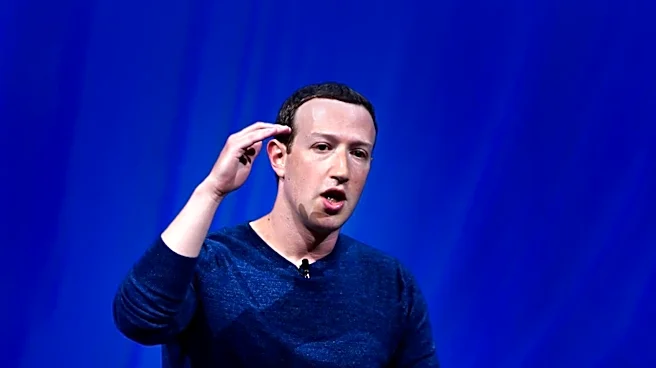
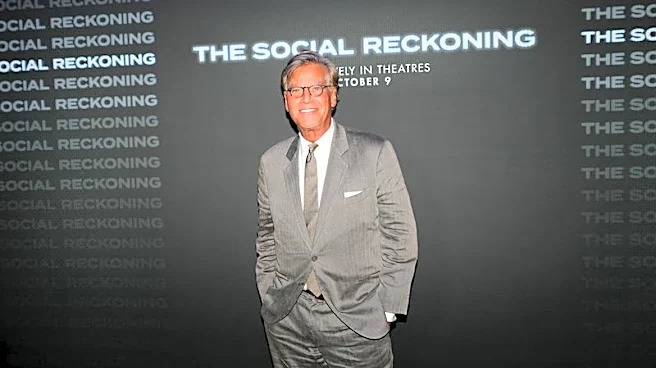
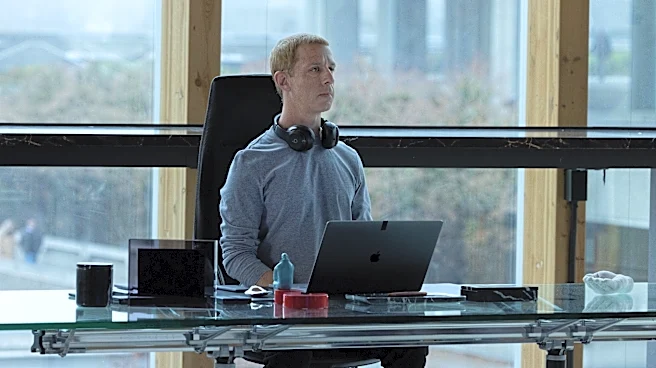
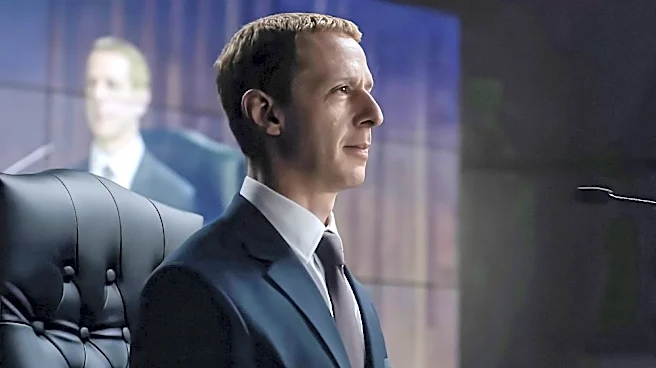
Jeremy Strong takes on the role of Mark Zuckerberg in Aaron Sorkin's new film, 'The Social Reckoning,' a follow-up to 'The Social Network.' Sorkin, who wrote and directed the new film, praised Strong as 'the best American actor under 50 years old.' Strong's
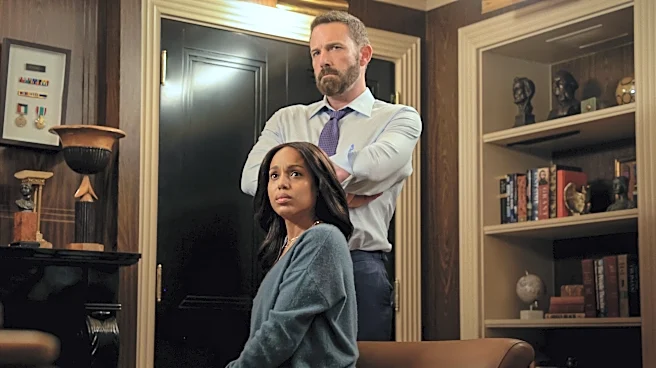
portrayal of Zuckerberg is noted for its immersive Method acting, where he reportedly remained in character throughout the production. This contrasts with Jesse Eisenberg's earlier depiction of Zuckerberg in 'The Social Network,' a role Eisenberg declined to reprise for 'The Social Reckoning' due to his disinterest in being associated with the real-life figure. Strong's performance aims to capture Zuckerberg's evolution from an awkward tech founder to a 'sinister billionaire,' focusing on the character's internal state rather than mere impersonation. The film explores Facebook's growth and its alleged recklessness in allowing hate speech, violence, and misinformation to spread, drawing inspiration from real-life whistleblower Frances Haugen's revelations.
Why It's Important?
The casting of Jeremy Strong and the narrative focus of 'The Social Reckoning' highlight ongoing societal concerns regarding the influence and ethical responsibilities of major social media platforms like Facebook (now Meta). The film's exploration of how Facebook's pursuit of growth allegedly overshadowed safety, as detailed by whistleblower Frances Haugen, underscores critical debates about content moderation, misinformation, and the impact of algorithms on public discourse. Strong's Method acting approach to portraying Zuckerberg could intensify public perception of the tech mogul, potentially shaping how audiences view the leadership and decision-making within Silicon Valley. The film's release also reignites discussions about the role of social media in events like the January 6 Capitol attack, suggesting a direct link between platform policies and real-world political instability. This cinematic portrayal serves as a cultural touchstone, reflecting and amplifying anxieties about the power wielded by tech giants and their accountability to society.
What's Next?
The release of 'The Social Reckoning' is likely to provoke renewed public and media scrutiny of Meta's practices and Mark Zuckerberg's leadership. The film's narrative, which suggests a deliberate prioritization of growth over user safety, could fuel calls for increased regulation of social media platforms. Lawmakers and civil society groups may leverage the film's themes to advocate for stricter policies regarding data privacy, content moderation, and algorithmic transparency. Furthermore, the film's critical stance on Facebook's role in spreading misinformation and contributing to political polarization could influence public opinion, potentially leading to shifts in user behavior or increased support for alternative social media platforms. The ongoing discussions about Method acting, sparked by Strong's immersive performance, may also continue within the entertainment industry, prompting further debate on the psychological and professional implications of such intense acting techniques.
Beyond the Headlines
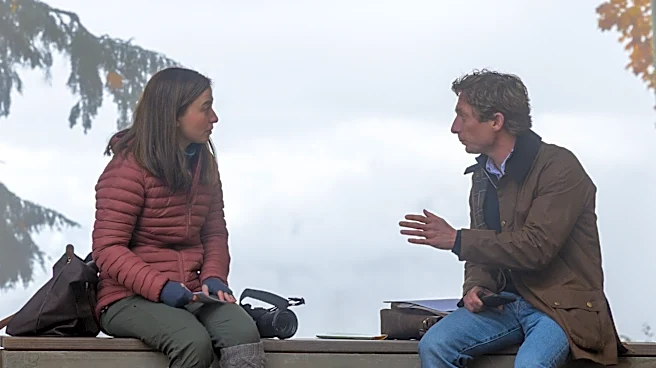
Beyond its immediate impact on public discourse about Meta, 'The Social Reckoning' delves into deeper ethical and cultural implications concerning the nature of power in the digital age. The film's portrayal of Zuckerberg as a 'post-government' figure, operating beyond conventional regulatory frameworks, highlights a growing concern about the unchecked influence of tech billionaires. This narrative suggests a shift in societal power dynamics, where technological innovation, driven by profit, can inadvertently or intentionally undermine democratic processes and societal well-being. The film also implicitly questions the responsibility of individuals within these powerful organizations, as seen through the character of Frances Haugen, who grapples with her loyalty to Facebook's mission versus her ethical obligations. The discussion around Jeremy Strong's Method acting further underscores the blurred lines between reality and representation, raising questions about how media portrayals shape our understanding of complex figures and issues, and the potential for art to influence real-world perceptions and actions.