





What's Happening?
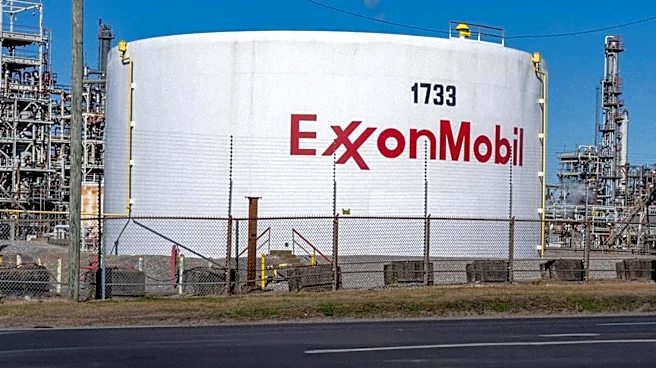
ExxonMobil and Chevron reported a combined profit of $26.5 billion for the second quarter of 2026, as the conflict in Iran drove up global gas prices. Chevron's profits reached $12 billion, its highest in six years, while Exxon posted $14.5 billion. The
surge in profits comes as consumers face high gas prices, with the national average at $4.1 per gallon. The oil companies' earnings reflect the impact of geopolitical tensions on energy markets, with disruptions in the Middle East affecting supply and driving up prices. The situation has sparked criticism from some political groups, who argue that oil companies are profiting at the expense of consumers.
Why It's Important?
The record profits of ExxonMobil and Chevron highlight the significant impact of geopolitical events on the energy sector and consumer prices. The ongoing conflict in Iran has led to increased oil prices, benefiting oil companies while placing a financial burden on consumers. This dynamic raises questions about the balance between corporate profits and consumer costs, particularly in times of global instability. The situation also underscores the importance of energy policy and the potential for regulatory measures to address market imbalances and protect consumers from excessive price hikes.
What's Next?
As geopolitical tensions persist, ExxonMobil and Chevron are likely to continue benefiting from high oil prices. However, the situation may prompt calls for regulatory action to address the impact on consumers. Policymakers may consider measures such as windfall taxes on oil companies to redistribute profits and alleviate consumer costs. The ongoing conflict in Iran will remain a key factor influencing global energy markets, with potential implications for future production and pricing strategies of major oil companies.