


What's Happening?
The Plymouth 'Cuda and Barracuda, often confused, are distinct classic muscle cars, despite their shared E-body platform in their third generation (1970-1974). The Barracuda, initially an option package for the Plymouth Valiant in 1964, evolved into its
own model by 1965. The 'Cuda, introduced in 1969, was specifically the high-performance variant of the Barracuda. Early 1970s 'Cudas are particularly notable for their vibrant colors, bold graphics, and powerful V8 engine options, including the 340, 383, 440, and the 426 HEMI. These performance models often featured badged hood scoops indicating the engine within. A key identifier between a Barracuda and a 'Cuda from the early 1970s is their Vehicle Identification Number (VIN); Barracuda VINs start with 'BH', while 'Cuda VINs begin with 'BS'. The 'Cuda's production saw a decline in power options after 1972, with big-block engines being phased out before the Barracuda line was discontinued in 1974.
Why It's Important?
The distinction between the Plymouth 'Cuda and Barracuda is significant for classic car enthusiasts, collectors, and the automotive market. The 'Cuda, as the high-performance version, often commands higher values and greater interest due to its rarity and powerful engine configurations, particularly the 1970 and 1971 models. This differentiation impacts valuation, restoration efforts, and the authenticity of vehicles in the collector car market. Understanding these nuances helps preserve the historical accuracy of these iconic muscle cars and informs purchasing decisions for those investing in classic American automobiles. The 'Cuda's legacy as a top-tier muscle car contributes to the cultural narrative of American automotive engineering during the horsepower wars of the late 1960s and early 1970s, influencing design and performance benchmarks for subsequent generations of sports cars.
What's Next?
For collectors and enthusiasts, the ongoing interest in classic muscle cars like the Plymouth 'Cuda and Barracuda suggests continued market activity. Auctions and specialized dealerships will likely continue to feature these vehicles, with well-preserved or expertly restored 'Cudas, especially those with original high-performance engines, expected to maintain their premium status. The detailed VIN differentiation will remain a critical tool for verifying authenticity and pedigree, influencing sales and appraisals. As the pool of original, unmolested examples shrinks, the value of documented and correctly identified 'Cudas is anticipated to appreciate, further solidifying their place as highly sought-after collector items. Educational resources and historical documentation will also continue to play a role in informing new generations of enthusiasts about the unique characteristics and historical significance of these vehicles.
Beyond the Headlines
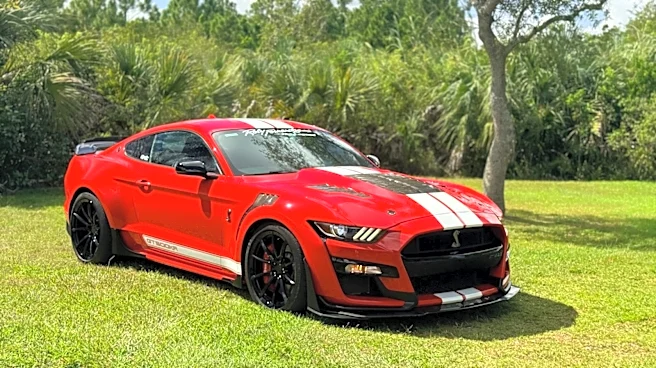
The story of the Plymouth 'Cuda and Barracuda reflects a broader trend in the automotive industry where performance trims evolve into iconic models, often overshadowing their base counterparts. This phenomenon is also seen in relationships like the Chevrolet Camaro and Z28, or the Ford Mustang and Shelby GT500. These high-performance variants not only pushed engineering boundaries but also became cultural symbols of speed and power, deeply embedded in American automotive folklore. The 'Cuda's eventual decline in power options after 1972 also mirrors the broader shift in the automotive industry due to changing emissions regulations and rising fuel costs, marking the end of an era for unrestrained horsepower. This historical context provides insight into how external factors can profoundly impact vehicle design and market offerings, shaping the trajectory of automotive innovation and consumer preferences.