




What's Happening?
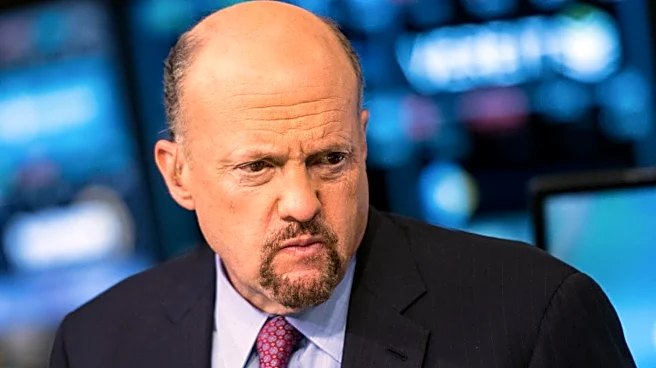
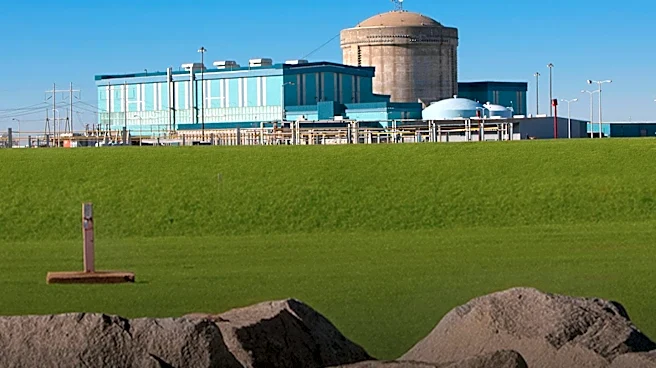
During a 'lightning round' segment, financial commentator Jim Cramer addressed a caller's question regarding NuScale Power. Cramer acknowledged the significant difficulties associated with constructing nuclear power plants. He emphasized that the process
is 'really, really hard,' indicating a recognition within the industry and among investors of the complexities involved in such large-scale energy projects. Cramer also mentioned that his trust holds GE Vernova, partly because it has some involvement in nuclear energy, suggesting a preference for companies with established nuclear operations or a more diversified approach to the sector. His comments highlight the challenging environment for companies like NuScale Power that are focused on developing new nuclear technologies.
Why It's Important?
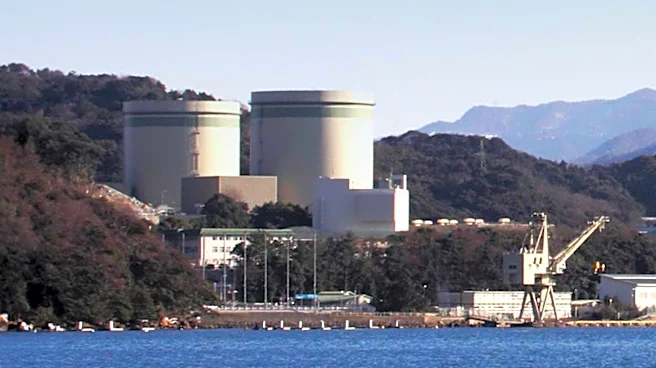
Cramer's remarks underscore the substantial hurdles faced by companies in the nuclear power sector, particularly those involved in developing and deploying new reactor technologies. The difficulty in building nuclear power plants can lead to extended timelines, increased costs, and regulatory complexities, which can deter investment and slow down the adoption of nuclear energy. For the U.S. energy landscape, this perspective is crucial as nuclear power is often cited as a key component of a carbon-free future. Challenges in deployment could impact energy independence goals, climate change mitigation efforts, and the competitiveness of U.S. nuclear technology on a global scale. Investors in the energy sector, especially those considering nuclear-focused companies, would likely weigh these difficulties heavily.
What's Next?
The ongoing challenges in nuclear power plant construction suggest that companies like NuScale Power will continue to face scrutiny regarding their project timelines, cost management, and ability to navigate regulatory frameworks. Future developments will likely focus on how these companies address these difficulties, potentially through technological innovations that simplify construction, strategic partnerships, or government support. The broader energy market will also be watching for policy changes that could either ease or exacerbate the challenges of nuclear development. Investors will be looking for clear progress in project execution and evidence of overcoming the inherent complexities Cramer highlighted, which could influence stock performance and overall market sentiment towards nuclear energy.
Beyond the Headlines
Cramer's brief comment touches upon a deeper issue within the energy industry: the tension between the promise of advanced nuclear technology and the practical realities of its implementation. While small modular reactors (SMRs) and other advanced designs offer potential benefits in terms of safety, efficiency, and reduced carbon emissions, their path to widespread deployment is fraught with engineering, financial, and regulatory obstacles. This situation raises questions about the role of government in de-risking such critical infrastructure projects, the long-term viability of private sector-led nuclear innovation, and the public's perception of nuclear energy's safety and cost-effectiveness. The 'hardness' of building nuclear plants reflects not just technical challenges but also societal and political complexities that influence energy policy and investment decisions.