




What's Happening?
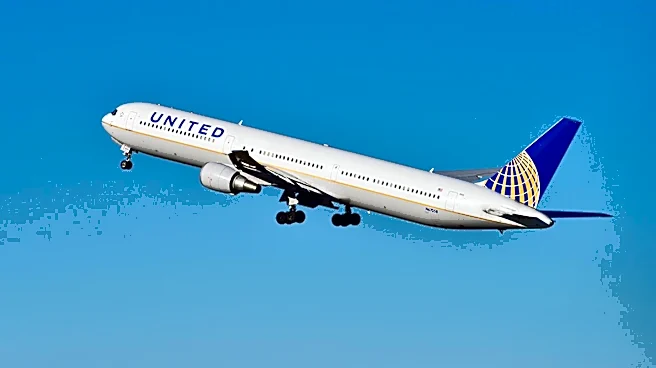
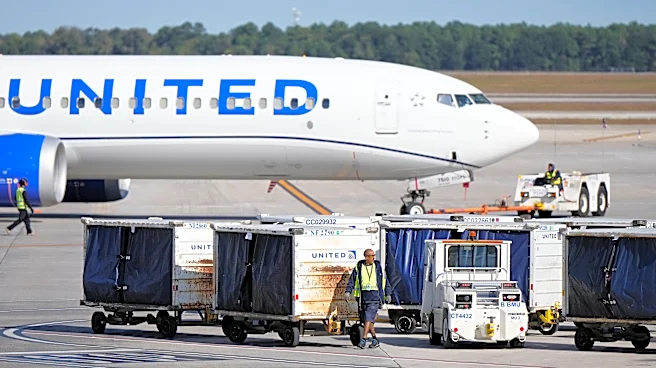
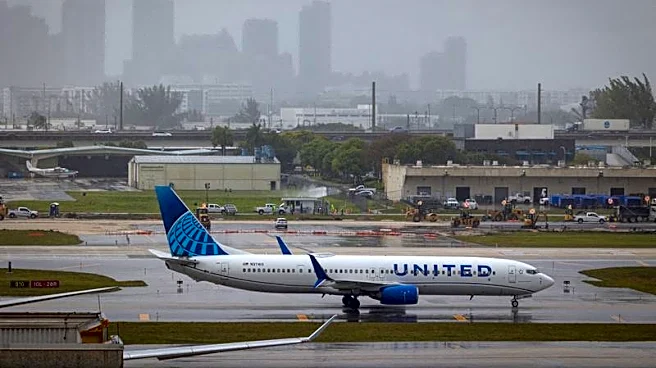
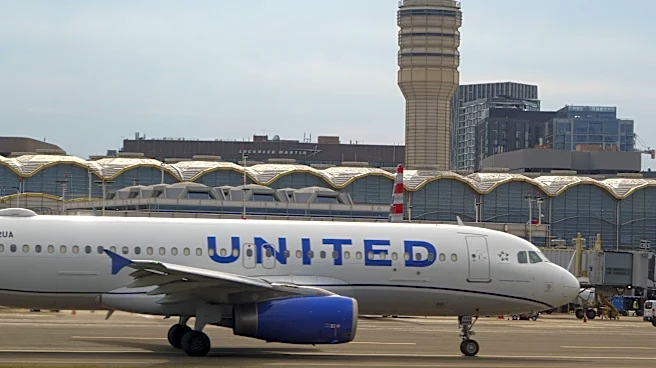
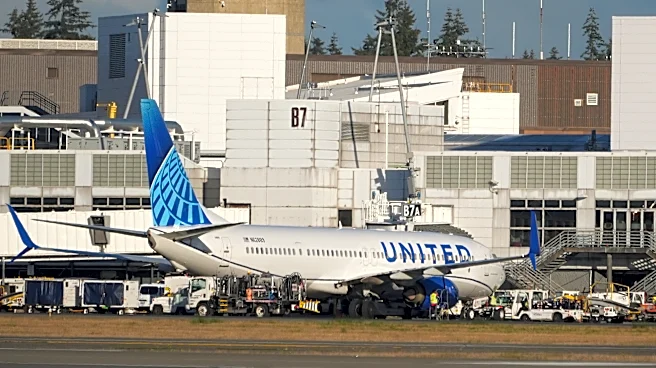
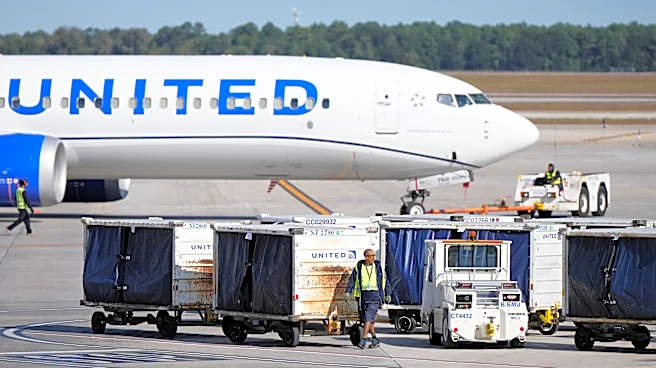
United Airlines reported a brief 'systemwide' technology issue that caused delays for some departing flights on Monday. The airline confirmed that the issue has since been resolved. According to the Air Line Pilots Association, the union representing
United pilots, the disruption was a 'systemwide operational outage' that impacted pilot applications, including crew communications and messaging systems. The outage also affected the company's ability to provide final aircraft weight information for departing flights. United Airlines stated there was no indication that the incident was related to cybersecurity. While some flights experienced delays, the airline clarified that flights already in progress and United Express flights were not affected. This incident occurred just days after a nationwide ground stop led to thousands of flight cancellations and delays across the U.S.
Why It's Important?
This brief systemwide technology disruption at United Airlines highlights the critical reliance of modern air travel on complex technological infrastructure. Even a short outage can lead to significant operational challenges, affecting flight schedules, crew coordination, and passenger travel plans. The impact on pilot applications and the inability to provide crucial aircraft weight information underscore the interconnectedness of various systems essential for safe and efficient flight operations. Such incidents can erode passenger confidence and result in financial losses for airlines due to delays and potential compensation. Furthermore, occurring shortly after a broader nationwide ground stop, this event emphasizes the fragility of the air travel system and the need for robust, redundant technology solutions to prevent widespread disruptions. It also brings into focus the importance of clear communication between airlines, unions, and passengers during such events.
What's Next?
Following the resolution of the technology issue, United Airlines will likely conduct an internal review to identify the root cause of the systemwide disruption and implement measures to prevent similar occurrences in the future. This typically involves detailed analysis of software, hardware, and network systems. The Air Line Pilots Association may also engage with United to discuss the impact on pilots and potential improvements to communication and operational resilience. Passengers affected by the delays would have proceeded with their rescheduled flights, and the airline would manage any claims for compensation or rebooking. The broader aviation industry may also take note of such incidents to reinforce best practices in technological infrastructure and contingency planning, especially given the recent history of widespread flight disruptions. The focus will be on enhancing system robustness and ensuring operational continuity.
Beyond the Headlines
The recurring nature of technology-related disruptions in the aviation sector, including this incident at United Airlines and the recent nationwide ground stop, points to a deeper systemic vulnerability. As airlines increasingly rely on sophisticated digital systems for everything from ticketing to flight operations and crew management, the potential for single points of failure grows. This raises questions about the adequacy of current IT infrastructure investments, disaster recovery protocols, and cybersecurity measures across the industry. Beyond immediate operational impacts, these disruptions can have broader economic consequences, affecting business travel, supply chains, and tourism. The incidents underscore the need for continuous innovation in aviation technology, not just for efficiency but for resilience, ensuring that the complex web of systems can withstand unforeseen technical glitches or cyber threats without paralyzing air travel. It also highlights the ongoing challenge of balancing technological advancement with operational stability and security.