




What's Happening?
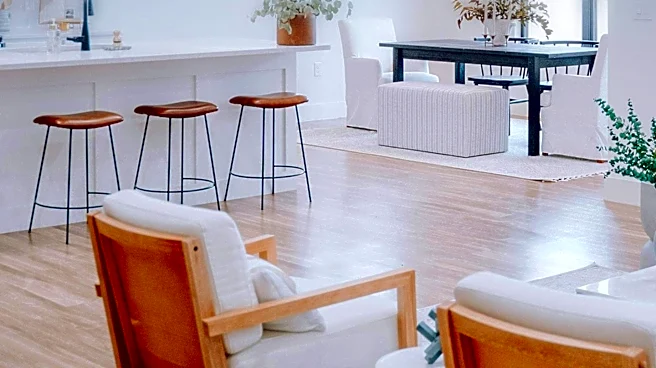
The debate over flooring choices in open concept living spaces continues to be a significant topic among homeowners and designers. The primary question is whether to use the same flooring throughout or to mix different types. In fully open spaces, where
the kitchen, dining, and living areas are seamlessly connected, a consistent flooring type is often recommended to maintain a cohesive look. However, in homes where rooms are connected by wide doorways but still function as separate spaces, mixing flooring types can be appropriate. The decision largely depends on the layout and the visual impact of the flooring transitions. Consistency in flooring can make smaller homes feel larger and more unified, while intentional transitions can add design interest in larger spaces.
Why It's Important?
The choice of flooring in open concept spaces can significantly impact the aesthetic and perceived value of a home. Consistent flooring can create a sense of continuity and spaciousness, which is particularly beneficial in smaller homes. On the other hand, well-planned transitions between different flooring types can highlight functional areas and add visual interest. For homeowners considering resale, consistent flooring in open areas is often more appealing to buyers, as it suggests a finished and intentional design. The decision also affects practical aspects, such as maintenance and durability, especially in areas prone to moisture like kitchens and bathrooms.
What's Next?
Homeowners and designers will continue to explore the balance between aesthetic appeal and practical functionality in open concept spaces. As trends evolve, there may be a growing emphasis on sustainable and durable flooring materials that can withstand the demands of high-traffic areas. Additionally, as more people seek personalized home environments, the trend of mixing flooring types with intentional design choices is likely to gain popularity. This approach allows for creativity while maintaining a cohesive overall look.