
What's Happening?
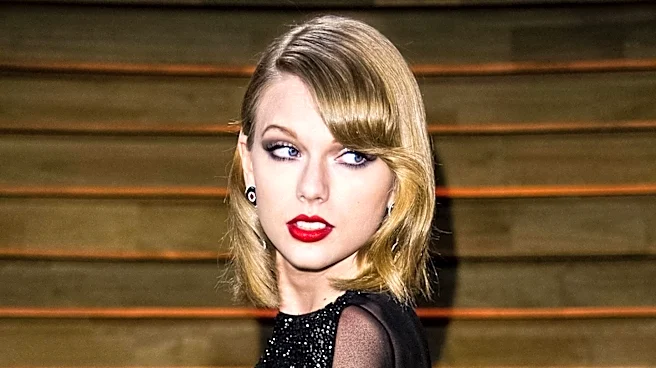
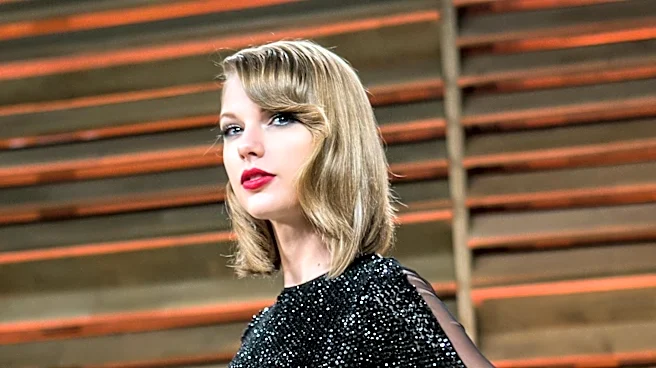
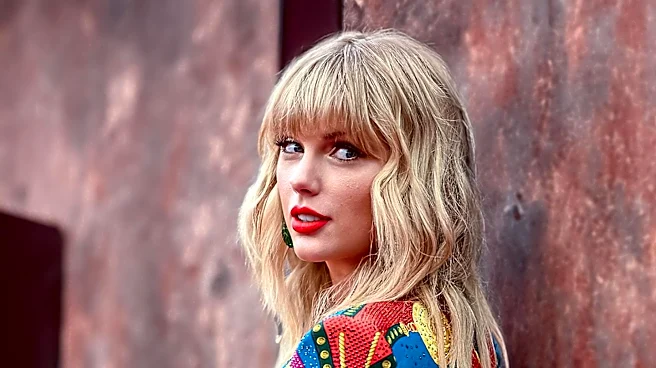
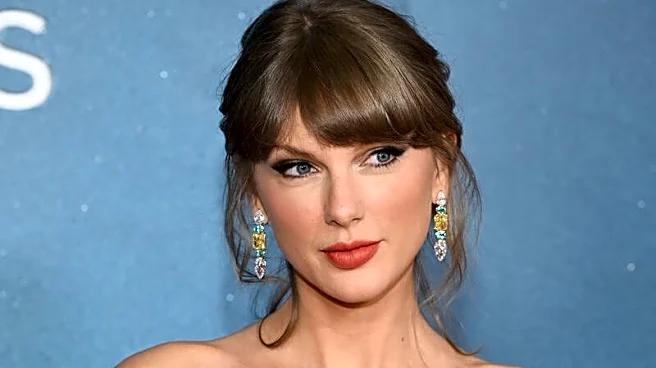
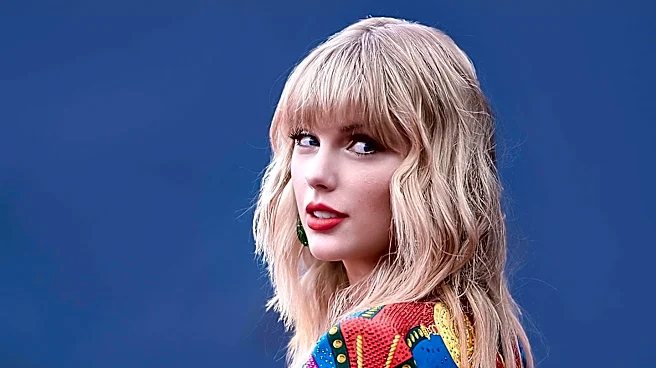
A recent report indicates that prominent Hollywood figures, including Brad Pitt and Julia Roberts, may be reconsidering their willingness to work with Vanity Fair. This comes after the magazine published a critical profile of Taylor Swift, referred to as
'The Star,' which has been widely described as a 'hit piece.' The article, titled 'The Mastermind' by May Jeong, drew on over 100 interviews but did not directly quote Swift. It portrayed her as a 'combination of victim and victimizer,' according to the New York Daily News. While neither Swift nor her partner Travis Kelce has publicly commented, sources close to Swift state she is proud of her achievements and unaffected by the piece. The controversy has led to speculation that celebrities who recently celebrated Swift's wedding might find it difficult to appear in Vanity Fair without appearing disloyal. This situation follows reports that Swift had previously declined Condé Nast's request for her wedding photos.
Why It's Important?
This development highlights the significant influence of celebrity relationships and public perception within the entertainment industry. A potential boycott or reluctance from A-list celebrities to engage with Vanity Fair could impact the magazine's prestige, access to exclusive content, and advertising revenue. For celebrities, aligning with popular figures like Taylor Swift is crucial for maintaining public image and fan loyalty. The situation also underscores the power dynamics between media outlets and celebrities, where critical coverage can lead to tangible consequences for publications. If major stars indeed distance themselves from Vanity Fair, it could set a precedent for how celebrities and their publicists respond to perceived negative press, potentially leading to more controlled media narratives in the future. The incident also reflects the broader media landscape where fan bases can exert considerable pressure on both celebrities and media organizations.
What's Next?
The immediate future will likely reveal whether Hollywood's biggest names will indeed alter their professional relationships with Vanity Fair. Industry insiders will be watching to see if any prominent figures publicly announce a change in their engagement with the magazine or if their absence from future issues becomes noticeable. Vanity Fair may need to address the backlash, either through editorial statements or by adjusting its approach to celebrity profiles, to mitigate potential long-term damage to its reputation and access. The situation could also prompt other media outlets to re-evaluate their strategies for covering high-profile celebrities, considering the potential for strong reactions from both the stars themselves and their dedicated fan bases. The entertainment industry will observe how this incident influences future interactions between celebrities and major publications.
Beyond the Headlines
Beyond the immediate fallout, this event touches upon deeper ethical and journalistic considerations regarding celebrity profiling. The debate around whether the article was a legitimate critique or a 'hatchet job' raises questions about the balance between investigative journalism and potential bias in reporting on public figures. It also highlights the increasing scrutiny faced by journalists and publications in the digital age, where public opinion and social media reactions can rapidly shape narratives and influence professional relationships. The incident could also spark broader discussions within the media industry about the ethics of using anonymous sources in critical profiles and the responsibility of publications to present balanced perspectives, especially when dealing with individuals who command significant public influence and loyalty. This situation may contribute to a shift in how celebrity journalism is perceived and practiced.