





What's Happening?
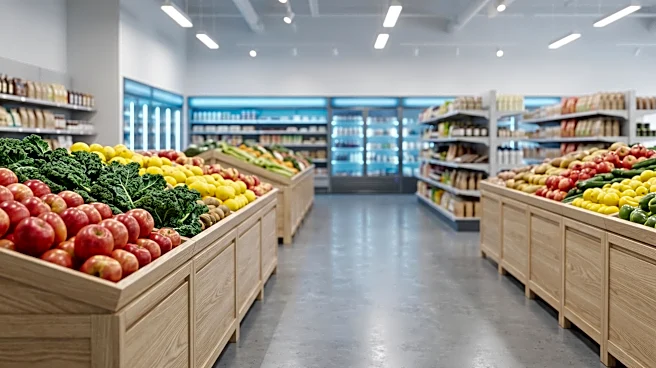
Grocery stores, particularly those in rural areas, operate on exceptionally thin margins, often between 1% and 3% of sales, making them a high-risk venture for lenders. To address this, MMCG Invest specializes in preparing feasibility studies for grocery
stores seeking financing through programs like USDA Business and Industry (B&I) and SBA 7(a) and 504 loans. These studies are crucial for lenders, as they detail operating projections, department margins, shrink, labor costs, and refrigeration loads, which are unique to the grocery sector. The USDA B&I program is a primary source for rural grocery financing, offering loans up to $25 million in rural areas with populations under 50,000. It prioritizes projects that enhance food access in underserved communities. SBA programs also finance grocery stores as owner-occupied retail, with fee waivers available for smaller loans to food supply chain businesses and those in rural areas, making them competitive with USDA B&I for smaller rural stores. These financing options are designed to support the establishment and sustainability of grocery stores, which are vital for community food access.
Why It's Important?
The availability of specialized financing through USDA and SBA programs is critical for maintaining and establishing grocery stores in rural America. These stores are often the sole source of fresh food and essential goods in small towns, and their closure can lead to food deserts, impacting public health and local economies. The thin profit margins and high operational costs, such as significant energy consumption for refrigeration and substantial inventory, make traditional financing challenging. By providing tailored feasibility studies and specific loan programs, the government aims to mitigate the financial risks for lenders and operators. This support helps ensure that rural communities have access to staple foods, which is a key public policy goal. The waivers on guarantee fees for smaller loans and projects in rural areas further incentivize investment in these critical community assets, preventing further decline in food access and supporting local job creation.
What's Next?
The continued focus on specialized financing for rural grocery stores suggests ongoing efforts to combat food insecurity and support economic development in underserved areas. Lenders and potential grocery store operators will likely continue to rely on detailed feasibility studies to navigate the complexities of the grocery retail sector and secure funding. The current fiscal year's terms for USDA B&I and SBA loans will remain in effect until new notices are published for fiscal year 2027, indicating a stable, albeit evolving, landscape for these programs. Future developments may include adjustments to loan limits, guarantee percentages, and fee structures based on program effectiveness and changing economic conditions. The emphasis on food access and support for locally or regionally produced food suggests that future initiatives might further prioritize projects that strengthen local food systems and community resilience.
Beyond the Headlines
The challenges faced by rural grocery stores extend beyond financial viability; they touch upon broader issues of community infrastructure, public health, and social equity. The closure of a local grocery store can have a cascading effect, leading to reduced access to nutritious food, increased travel burdens for residents, and a decline in community cohesion. The government's involvement in financing these businesses highlights a recognition of their role as essential public services, not just commercial enterprises. This approach underscores a shift towards viewing food access as a critical component of rural development and well-being. Furthermore, the detailed feasibility studies, which account for local demographics, competition from dollar stores, and specific operating costs, reflect a nuanced understanding of the unique economic ecosystem of rural areas. This comprehensive approach aims to build sustainable models for food retail that can withstand economic pressures and serve as anchors for rural communities.