


What's Happening?
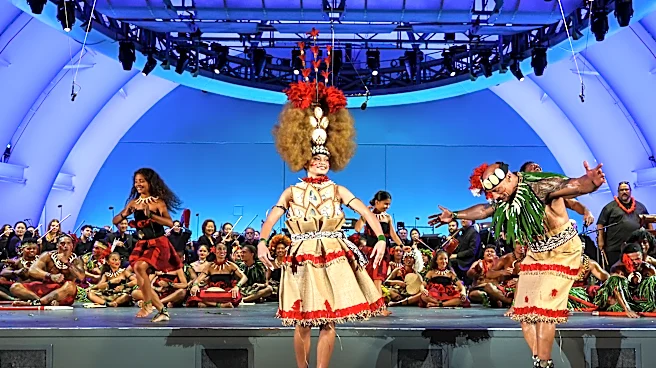
The Bernice Pauahi Bishop Museum in Honolulu is set to host a concert and celebration titled “50 Years of Aloha 'Āina Concert and Celebration: La'a, Ma'a, Pa'a!” This event, organized in collaboration with the Protect Kaho'olawe 'Ohana (PKO), commemorates
five decades of dedication to the Hawaiian concept of aloha 'āina, which signifies love and respect for the land. The concert will take place on the museum's Great Lawn and aims to provide a platform for community members to share memories related to Kaho'olawe, a sacred Hawaiian island. Additionally, attendees will learn about the historical connection between the island and the Hawaiian deity Kanaloa. The event's slogan, “La'a, Ma'a, Pa'a,” is derived from an 'ōlelo no'eau (proverb) by the late Maui native Alice Kuloloio, a respected kupuna and healer. The celebration will feature performances by artists and musicians who have drawn inspiration from Kaho'olawe in their mele (songs), including Kimié Miner, Keahi Pi'iohia, Pōki'i Seto, Kiliona Young, Ka'ikena Scanlan, and Ikaakamai. These artists are also featured on the “50 Years of Aloha 'Āina” music album, which promotes the enduring message of aloha 'āina.
Why It's Important?
This concert holds significant cultural and historical importance for Hawaii, as it marks 50 years of the Protect Kaho'olawe 'Ohana's efforts to restore and protect the island of Kaho'olawe. The event reinforces the value of aloha 'āina, a fundamental principle in Hawaiian culture that emphasizes a deep spiritual and practical connection to the land. By bringing together community members, artists, and cultural educators, the concert helps to perpetuate Hawaiian traditions and knowledge, ensuring that the history and significance of Kaho'olawe are passed down to future generations. The involvement of prominent Hawaiian artists further amplifies this message, using music as a powerful medium to convey cultural values and historical narratives. Proceeds from the concert will directly benefit the PKO, supporting their ongoing work in the stewardship and cultural revitalization of Kaho'olawe. This event also highlights the role of institutions like the Bishop Museum in preserving and promoting indigenous cultures and their environmental ethics.
What's Next?
The “50 Years of Aloha 'Āina Concert and Celebration” is scheduled for Friday, November 13, from 5-9 p.m. Following the event, the Protect Kaho'olawe 'Ohana will likely continue its advocacy and restoration efforts for the island of Kaho'olawe, supported by the funds raised and the increased public awareness generated by the concert. The music album, “50 Years of Aloha 'Āina,” featuring the performing artists, will continue to champion the message of aloha 'āina, potentially reaching a broader audience beyond the concert attendees. The collaboration between the Bishop Museum and PKO may also pave the way for future partnerships aimed at cultural preservation and education. Community engagement around the significance of Kaho'olawe and the principle of aloha 'āina is expected to be strengthened, potentially inspiring more individuals to participate in related cultural and environmental initiatives. The event serves as a milestone, reflecting on past achievements and setting a course for continued dedication to Hawaiian cultural heritage and land stewardship.
Beyond the Headlines
The concert at the Bishop Museum transcends a simple celebration; it underscores the enduring struggle and triumph of indigenous communities in reclaiming and preserving their sacred lands and cultural identity. Kaho'olawe, once used as a bombing range by the U.S. military, symbolizes the broader historical challenges faced by Native Hawaiians. The PKO's 50-year journey represents a powerful movement of resistance, resilience, and cultural resurgence. The event highlights the critical role of cultural institutions in fostering dialogue about historical injustices and promoting healing through cultural expression. Furthermore, the concept of aloha 'āina offers a profound ethical framework for environmental stewardship that contrasts with more extractive approaches to land use. This celebration serves as a reminder that environmental conservation is often deeply intertwined with cultural preservation and the rights of indigenous peoples. The continued emphasis on 'ōlelo no'eau and traditional knowledge also reinforces the value of ancestral wisdom in addressing contemporary challenges.