







What's Happening?
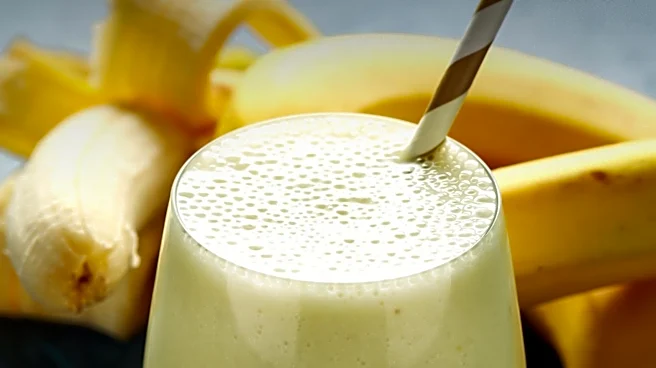
The North America Banana Juice market is experiencing significant growth, with its global valuation projected to increase from USD 1.2 billion in 2026 to USD 1.9 billion by 2033. This expansion represents a compound annual growth rate (CAGR) of approximately
6.8% over the forecast period. Key drivers for this growth include increasing adoption of banana juice products, expanding applications across various industries, technological advancements, and rising investment in the sector. Companies like Dole Food Company and Chiquita Brands International are prominent players in this evolving market. The market is segmented by type, packaging, distribution channel, and application, with banana juice blends dominating due to their versatility. Applications are expanding beyond direct consumption in the beverage industry to include food processing (yogurt flavoring, desserts, infant food) and nutraceuticals (sports drinks, supplements), driven by a growing consumer interest in functional and health-oriented foods.
Why It's Important?
The robust growth of the North America Banana Juice market signifies a notable shift in consumer preferences towards healthier and functional beverage options, impacting the broader U.S. food and beverage industry. This trend creates substantial opportunities for manufacturers, suppliers, and retailers to innovate and expand their product lines. The increasing use of banana juice in nutraceuticals and functional foods, such as pre- and post-workout recovery drinks, highlights a lucrative niche market driven by health-conscious consumers. This diversification of applications can lead to higher profit margins and stimulate further research and development in specialized formulations. For U.S. agriculture, particularly banana growers and processors, this market expansion could translate into increased demand and economic benefits. Furthermore, the emphasis on sustainable and organic certifications, as well as advanced processing methods like High-Pressure Processing (HPP), reflects a growing consumer demand for transparency and quality, pushing industry players to adapt their production and marketing strategies.
What's Next?
The North America Banana Juice market is expected to continue its upward trajectory, driven by ongoing innovation in product development and strategic market expansion. Companies will likely focus on creating new banana juice blends, exploring novel packaging solutions that cater to convenience and sustainability, and enhancing distribution channels, including e-commerce. There will be a continued push towards integrating banana juice into a wider array of food processing and nutraceutical products, capitalizing on its nutritional benefits. Manufacturers are also anticipated to invest in marketing efforts that highlight the functional and health-promoting aspects of banana juice to further attract health-conscious consumers. Additionally, the industry will need to address potential challenges such as raw material costs, supply chain disruptions, and regulatory requirements, while also exploring opportunities in emerging markets and through strategic partnerships to sustain growth and maintain competitiveness.
Beyond the Headlines
The expansion of the North America Banana Juice market reflects a deeper societal trend towards wellness and natural food products, influencing dietary habits and consumer choices across the U.S. This shift is not merely about a single product but indicates a broader demand for ingredients that offer both taste and health benefits. The market's segmentation, particularly the distinction between pure banana juice and blends, reveals the industry's adaptability in meeting diverse consumer needs and preferences, from those seeking natural sweetness to those desiring specific functional properties. The growing adoption of banana juice in sports nutrition and functional foods also underscores the blurring lines between traditional food products and health supplements, creating new avenues for product development and market penetration. This trend could lead to a re-evaluation of how natural ingredients are perceived and utilized in the food industry, potentially inspiring similar innovations with other fruits and vegetables. The market's growth also implicitly encourages sustainable sourcing and production practices, as consumers increasingly prioritize environmentally responsible brands.